
Start with a Neutral Foundation
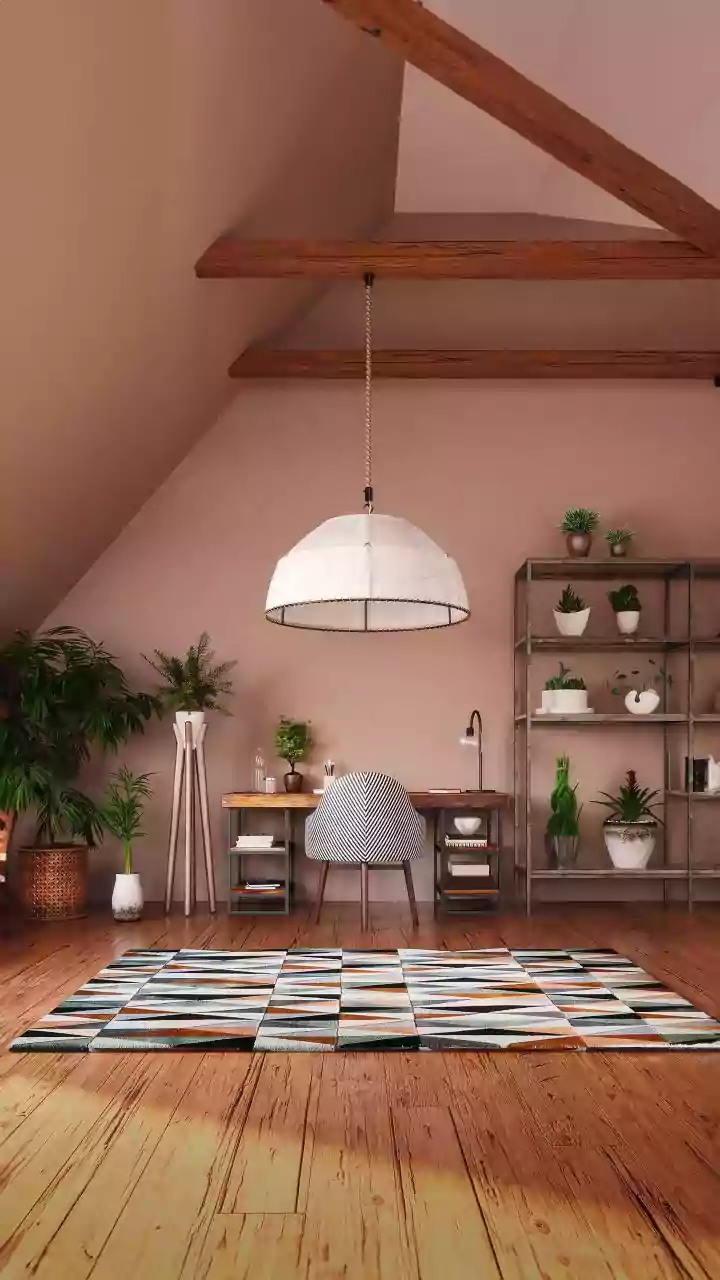
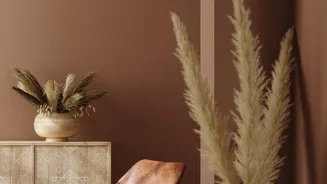
Before you can layer, you need a canvas. A common mistake is to overwhelm a room with colour from the start. Instead, begin with a neutral base. Walls in shades of white, beige, or warm grey create a calming backdrop that allows your collected textures
and patterns to stand out without competing. This neutral foundation acts as a grounding force, preventing the final look from feeling cluttered and instead making it feel curated and intentional. Think of it as the quiet stage upon which your vibrant, textured pieces will perform.
Build from the Ground Up with Rugs
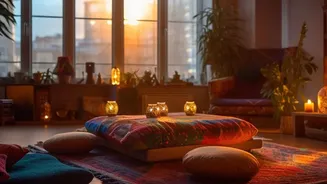
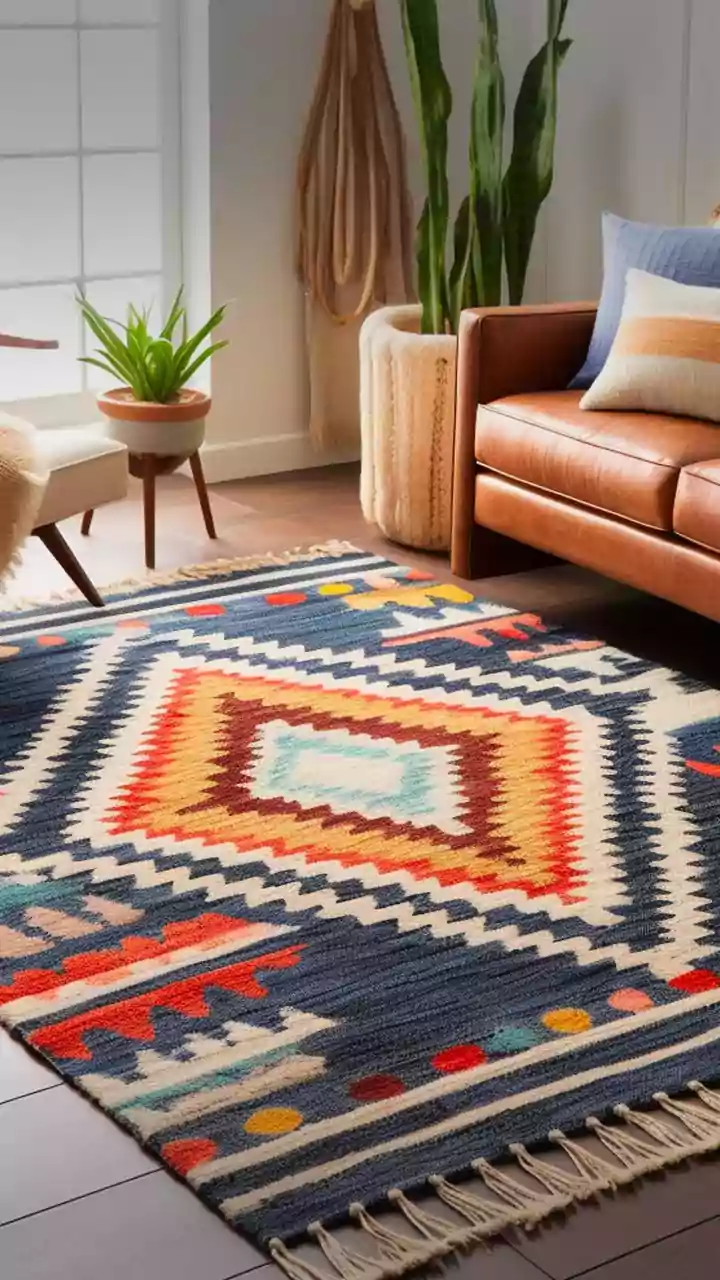
The floor is the largest surface for your first layer of texture. Natural fibre rugs made of jute, sisal, or braided materials are a hallmark of the boho style, providing an earthy, warm foundation. But don't stop at one. One of the most effective boho techniques is to layer rugs. Place a smaller, more colourful or patterned rug, like a vintage Turkish kilim or a bold geometric design, on top of a larger, neutral jute rug. This adds instant depth, warmth, and visual interest, defining a space and making it feel cozier underfoot.
Soften Every Surface
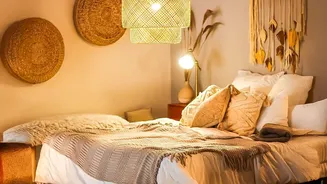
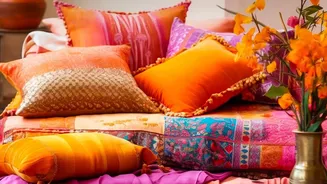
Now, bring softness and personality to your seating and resting spaces. This is where you can truly play with a mix of textiles. On your sofa, chairs, and bed, combine throw pillows of varying sizes, patterns, and materials. Mix a chunky knit pillow with a smooth linen one, and add a third with a global-inspired pattern like ikat or a tribal print. Drape a woven throw blanket over the arm of a sofa or the foot of a bed. Materials like velvet, faux fur, and embroidered fabrics add a rich, tactile quality that begs to be touched, making your space feel deeply comfortable and inviting.
Add Texture to Your Walls
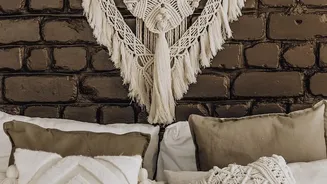
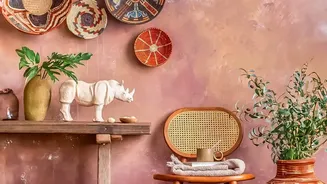
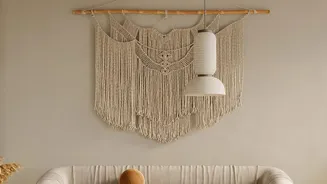
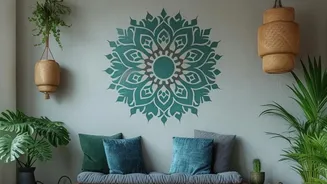
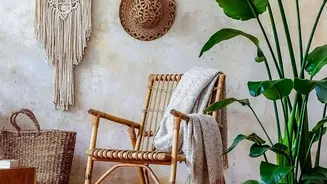
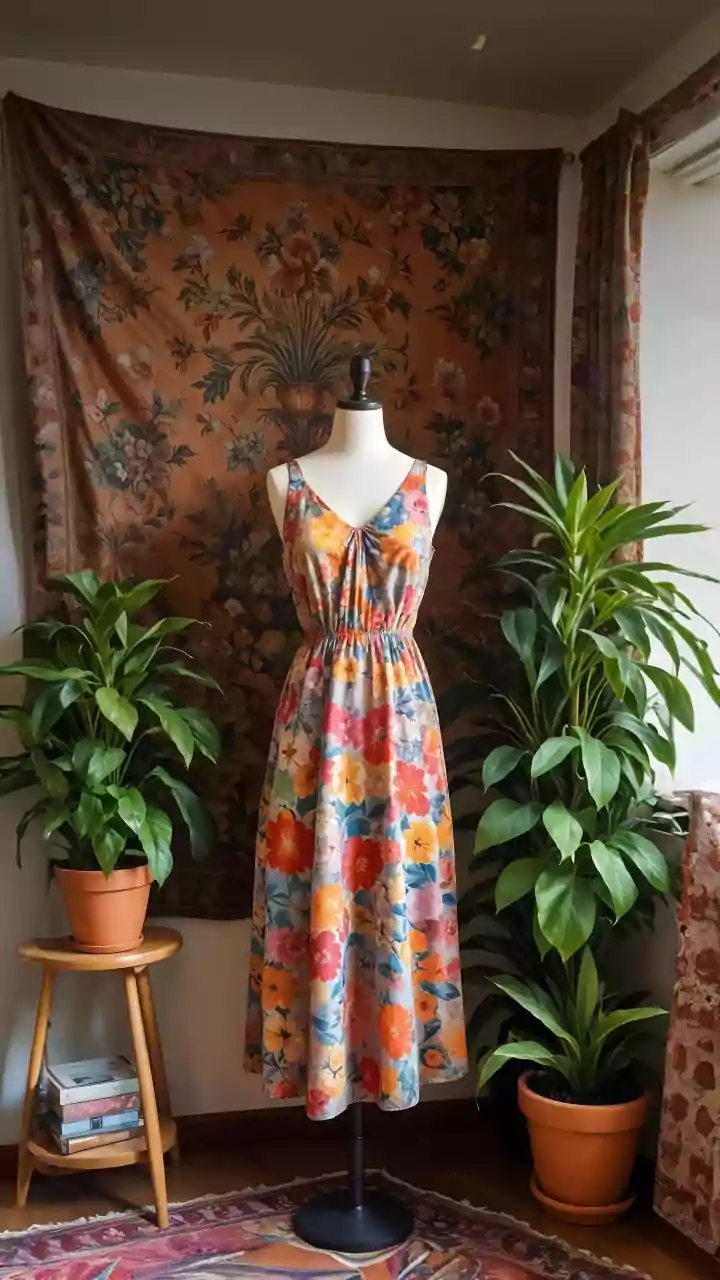
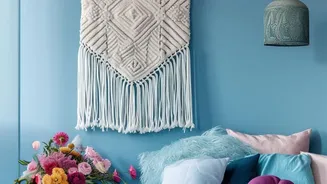
Layering isn't just for horizontal surfaces. Adding texture to your walls introduces a vertical dimension that stops a room from feeling flat. A macrame wall hanging is a classic boho element that adds intricate, knotted texture. You can also hang a large, colourful tapestry as a focal point, which can serve a similar function to an oversized piece of art. Even woven baskets or shallow seagrass trays can be grouped and hung on the wall to create a unique, textural installation that adds character and a handcrafted feel to the room.
The Art of Mixing Without Chaos
The fear with layering is that the room will end up looking busy or chaotic rather than collected. The key to avoiding this is to create harmony within the mix. One strategy is to stick to a cohesive colour palette. Select two or three main accent colours and ensure they appear across your different patterns and textiles. Another rule of thumb is to vary the scale of your patterns. Pair one large-scale, dominant pattern (like on a rug) with a couple of smaller, supporting patterns on your pillows or throws. This creates a sense of rhythm instead of competition, allowing the eye to move peacefully through the space.
Incorporate Natural Materials
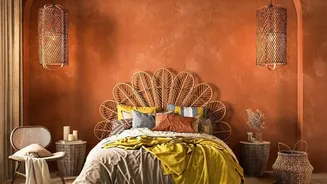
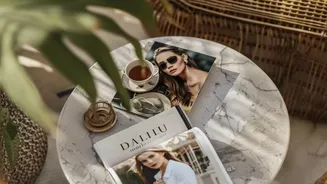
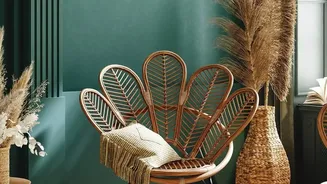
Beyond soft textiles, integrating a variety of natural materials is crucial for an authentic bohemian feel. Think rattan or wicker chairs, wooden furniture, and seagrass baskets for storing plants or blankets. These organic elements provide a different kind of texture—harder and more structural—that balances the softness of your fabrics. A smooth wooden coffee table, a rough-hewn ceramic pot, and a delicate pampas grass arrangement all contribute to the layered, nature-inspired aesthetic that defines the style.