




The Superfood Halo Effect
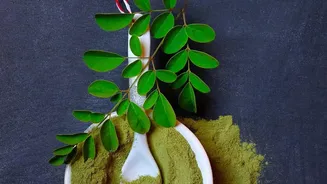
Moringa, derived from the drumstick tree native to India, has a long history in traditional medicine and cooking. It's no surprise that in an age of wellness trends, this humble leaf has been elevated to 'superfood' status, promising a cure for everything
from inflammation to high blood sugar. This excitement has led to its inclusion in countless recipes, with moringa idli becoming a prime example. The narrative is appealing: take a beloved, comforting food like idli and infuse it with the power of a miracle plant. The result, claims suggest, is not just breakfast, but a potent health tonic. However, it's crucial to understand that while moringa is nutritious, it is not a cure-all, a fact that medical experts frequently reiterate.
The Nutritional Reality of Moringa
So, what are you actually getting when you eat moringa? The leaves are genuinely packed with nutrients. They are a good source of vitamins A, C, and B vitamins like riboflavin and B6. They also contain important minerals such as iron, calcium, potassium, and magnesium. Furthermore, moringa is rich in antioxidants, which are compounds that help protect your body's cells from damage. A single cup of chopped fresh leaves contains protein and fibre with very few calories. These are all fantastic additions to any diet. However, the amount of moringa powder typically added to a batch of idli batter—often just one or two tablespoons—delivers a nutritional boost, not a therapeutic dose. It enhances the meal's profile but doesn't transform it into a medical treatment.
From Leaf to Batter: Colour and Taste
When fresh moringa leaves or moringa powder is added to idli batter, the most immediate and obvious change is the colour. The high chlorophyll content in the leaves imparts a vibrant, eye-catching green hue. But the transformation doesn't stop there. Moringa also introduces a unique flavour. It has a distinctly earthy taste, often compared to spinach, matcha, or other green leafy vegetables. Some people also detect a subtle peppery or slightly bitter aftertaste, which is characteristic of the plant's natural compounds. This flavour profile is why moringa has been used for centuries in savoury Indian dishes like dals, curries, and stir-fries, where its earthiness complements spices and lentils beautifully. In idli, it adds a new layer of complexity to a familiar taste.
The Flavour Verdict
For those unaccustomed to it, the flavour of moringa idli can be surprising. The earthy notes are noticeable and provide a contrast to the mild, slightly sour taste of traditional fermented idli. It’s a savoury, vegetal flavour that won't be to everyone's liking. Those who enjoy green juices or other earthy flavours like matcha will likely appreciate it. The key is moderation; too much moringa can make the idlis taste bitter. When done right, the moringa doesn't overpower the idli but rather gives it a distinct character. It pairs exceptionally well with spicy sambar and tangy chutneys, which help balance its earthy tones. The texture of the idli remains largely unchanged—still soft, spongy, and perfect for soaking up accompaniments.
A Nutritious Twist, Not a Magic Bullet
Ultimately, moringa idli should be viewed as a creative and nutritious variation of a classic dish. Adding moringa is an excellent way to incorporate more vitamins and minerals into your breakfast. It's a simple method for enriching a staple food, much like adding vegetables to upma or lentils to dosa batter. But it is not a substitute for a balanced diet or a cure for health problems. The real magic lies in enjoying a wholesome, home-cooked meal. Moringa idli is a perfect example of this: a traditional food, enhanced with a nutrient-dense ingredient, that offers both comfort and a little extra nourishment. It represents a return to the long-standing Indian tradition of using local, seasonal greens to enrich everyday meals.