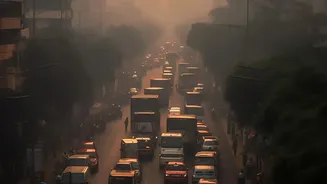








Why Exercise in Smog is a Risky Combination
During physical activity, your body's demand for oxygen soars. Your breathing rate can jump from about 15 breaths per minute at rest to between 40 and 60. This means you inhale a much larger volume of air—and consequently, more pollutants. While your nose
has a natural filtration system, intense exercise often forces you to breathe through your mouth, allowing harmful particles to bypass these defenses and travel deeper into your lungs. The pollutants of most concern in smog are fine particulate matter (PM2.5), nitrogen dioxide (NO2), and ground-level ozone (O3). These microscopic particles are small enough to penetrate deep into the lung tissue and even enter the bloodstream, triggering inflammation and oxidative stress.
What Happens to Your Body?
Exercising in polluted air can cause immediate symptoms like a scratchy throat, coughing, chest tightness, and irritated eyes. But the impact goes deeper. The increased intake of pollutants places significant stress on your respiratory and cardiovascular systems. This can lead to inflammation of the airways, reduced lung function, and an increased risk of respiratory infections. For your heart, exposure to pollutants during exercise can elevate blood pressure and strain the cardiovascular system, as it works harder to supply oxygenated blood to your muscles. Over time, repeated exposure can weaken the very health benefits that exercise is meant to provide and may increase the risk of chronic conditions like asthma or bronchitis.
Understanding the Air Quality Index (AQI)
The Air Quality Index (AQI) is a crucial tool for making informed decisions. It measures the concentration of major pollutants on a scale. In India, the AQI is typically broken down into six categories: Good (0-50), Satisfactory (51-100), Moderate (101-200), Poor (201-300), Very Poor (301-400), and Severe (401-500). As a general rule, an AQI above 100 is a caution flag. When the AQI enters the 'Unhealthy for Sensitive Groups' or 'Moderate' range (101-200), people with existing lung or heart conditions, children, and the elderly should limit prolonged or heavy exertion outdoors. Once the AQI is 'Poor' or higher (above 200), it's advisable for everyone to avoid strenuous outdoor activities. On days with 'Severe' air quality, health advisories often recommend avoiding all outdoor physical activity.
Who is Most Vulnerable?
While everyone is affected by poor air quality, certain groups are at a higher risk. This includes people with pre-existing respiratory conditions like asthma or COPD, and those with cardiovascular diseases. Children are also particularly vulnerable because their lungs are still developing and they inhale more air relative to their body weight. The elderly face increased risks as well. However, even healthy and fit athletes are not immune. The high intensity and duration of their training can lead to a massive intake of pollutants, potentially impairing performance and causing long-term damage.
Safer Strategies for Staying Active
This doesn't mean you have to abandon fitness during smog season. The key is to adapt. Always check the real-time AQI before heading out. If you must exercise outdoors on moderately polluted days, choose your time and location wisely. Avoid peak traffic hours and areas with heavy congestion or construction. Consider reducing the intensity and duration of your workout. Wearing a well-fitted N95 or N99 mask can help filter particulate matter, though it won't block harmful gases and can make breathing difficult during intense exercise. The safest strategy on days with high pollution levels is to move your workout indoors.
Effective Indoor Workout Alternatives
Shifting your routine indoors offers a safe and effective way to stay fit. Many gyms have air purification systems, providing a cleaner environment for exercise. If you prefer to work out at home, there are plenty of options that require minimal space and equipment. Bodyweight exercises like squats, push-ups, lunges, and planks provide excellent strength training. High-Intensity Interval Training (HIIT) with moves like burpees and jumping jacks can offer a great cardio workout in a short amount of time. Practices like yoga and Pilates improve flexibility, core strength, and incorporate breathing techniques that can be especially beneficial. Stationary bikes and treadmills are also fantastic alternatives to keep your cardio fitness up without braving the smog.