



The Foundation: An Emulsion of Flavours
Before we get into the specifics, it's helpful to understand the one thing that unites these three glorious sauces: they are all emulsions. An emulsion is a mixture of two liquids that normally don't mix, like oil and water (or in this case, oil and lemon
juice). Through rapid whisking, blending, or pounding, the oil breaks into tiny droplets that get suspended in the other liquid, creating a stable, creamy, and thickened sauce. The magic, and the differences, lie in what ingredients are being emulsified and how.
Toum: The Intense Lebanese Original
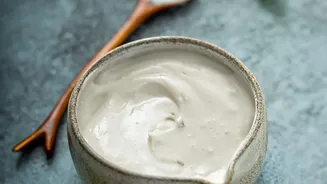
Toum, which simply means "garlic" in Arabic, is the most potent and purest expression of garlic in this trio. Hailing from Lebanon and the Levant region, this traditional sauce has a history stretching back centuries. It's made from a shockingly simple list of ingredients: fresh garlic, a neutral oil (like canola or grapeseed), lemon juice, and salt. The key to toum is that it contains no eggs. The garlic itself acts as the emulsifying agent. The process involves slowly whipping oil into a paste of crushed garlic and salt until it transforms into a thick, fluffy, and brilliantly white sauce. The result is an intensely pungent, almost spicy garlic flavour with a light, airy texture that is completely vegan. It's traditionally served with grilled meats like shawarma and kebabs, or as a powerful dip.
Aioli: The Classic with a Modern Twist
This is where most of the confusion begins. The name "aioli" comes from the Catalan and Provençal words for "garlic" (ail) and "oil" (oli). In its most traditional form, as found in parts of Spain and France, aioli is a simple, rustic emulsion of garlic pounded in a mortar and pestle with salt, and then slowly combined with olive oil. Like toum, traditional aioli contains no egg. However, the term has evolved significantly. Today, most of what is served as 'aioli' worldwide is essentially a garlic-flavoured mayonnaise. This modern version includes egg yolks, which act as a powerful emulsifier, making the sauce richer, denser, and more stable than its traditional counterpart. The flavour is still garlicky, but it's milder and creamier than toum due to the addition of the egg yolk.
Garlic Mayo: The Straightforward Contender
Garlic mayo is exactly what it sounds like: mayonnaise that has been flavoured with garlic. It’s the most straightforward of the three. Mayonnaise itself is a stable emulsion of oil, egg yolk, and an acidic ingredient like lemon juice or vinegar. To make garlic mayo, you simply take pre-made or homemade mayonnaise and stir in minced raw garlic, roasted garlic, or garlic powder. There's no complex emulsification process required because the base mayo has already done the heavy lifting. It's a quick and easy way to get a creamy garlic sauce, but it generally lacks the intensity of toum and the nuanced history of true aioli. It's a shortcut, but a delicious one that has become a global favourite for dipping fries and slathering on sandwiches.
At a Glance: The Key Differences
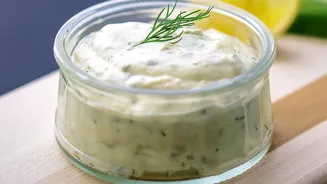
Feeling clearer? Here’s a simple breakdown. If it's intensely garlicky, fluffy, bright white, and vegan, it's Toum. The star ingredient is a huge amount of raw garlic. If you're looking at a creamy, yellowish sauce with a rich texture and a pronounced but not overpowering garlic taste, it’s most likely a modern, egg-based Aioli. Traditional aioli (just garlic and oil) is much rarer to find on menus. And if it’s simply mayonnaise with some garlic mixed in, that's Garlic Mayo. The defining factor for separating these is the egg. Toum has none. Aioli sometimes has it (and modern versions almost always do). Garlic mayo always starts with an egg-based mayonnaise.