





A 'Once-in-a-Century' Discovery
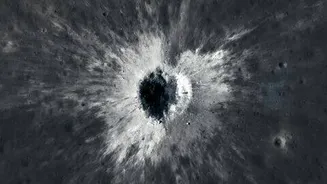
Scientists using data from NASA's Lunar Reconnaissance Orbiter (LRO) have identified a colossal new impact crater. Officially named McGetchin crater, after pioneering lunar scientist Tom McGetchin, the feature measures an astounding 728 feet (222 meters)
across and 141 feet (43 meters) deep. To put that in perspective, it's wider than two football fields and deep enough to swallow three school buses stacked vertically. The impact, which occurred sometime between April and May of 2024, was caused by an object estimated to be the size of a three- to six-story building. Events of this magnitude are exceptionally rare, with estimates suggesting they happen only about once every 100 to 130 years, making this a truly remarkable find.
An Eye in the Sky Catches a Clue
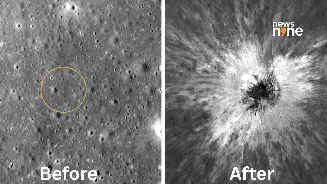
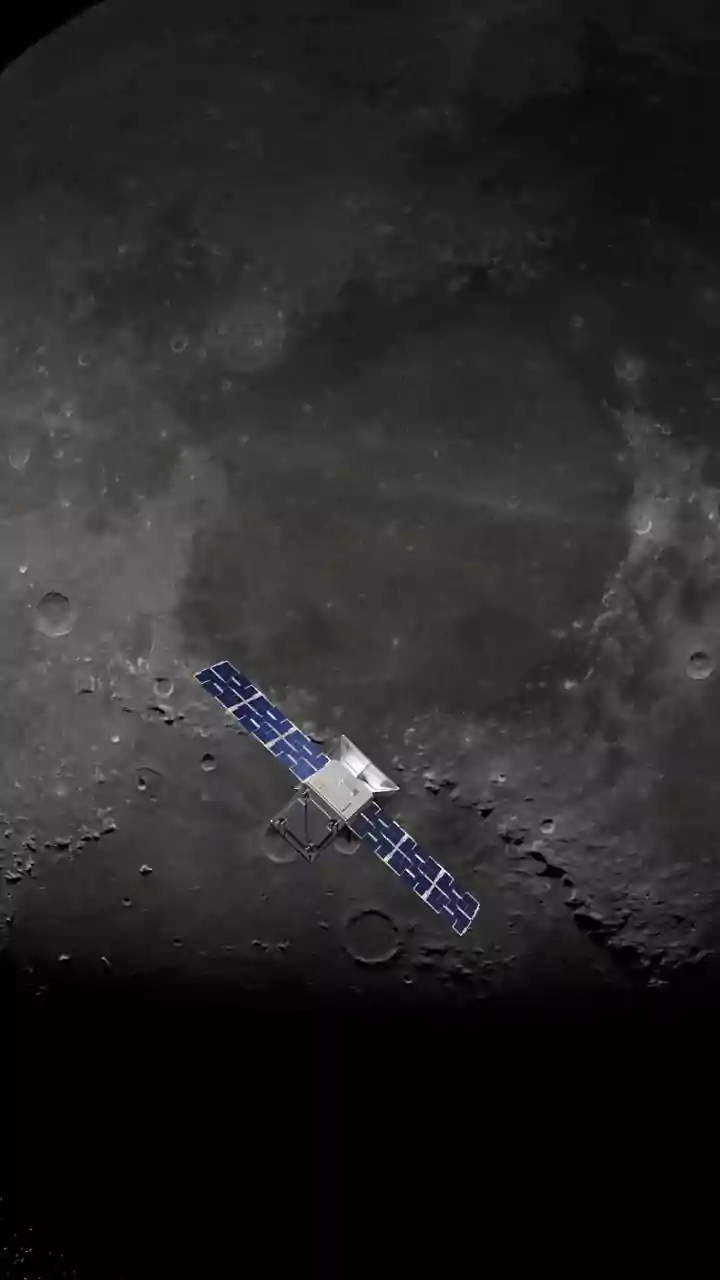
The discovery wasn't made in real-time. The impact escaped detection by telescopes on Earth and in space when it happened. It was found thanks to the diligent work of scientists reviewing years of images from the LRO, which has been mapping the Moon for over 17 years. While conducting a routine data check, a researcher noticed a bright spot surrounded by a dark halo, a tell-tale sign of a recent disturbance on the lunar surface. By comparing images of the same area taken before and after May 2024, they confirmed the existence of the massive new crater. This before-and-after comparison ability is a key strength of the long-running LRO mission, which has already identified over 1,000 new craters.
More Than Just a Hole
The effects of the impact extend far beyond the crater's rim. The collision was powerful enough to churn the lunar surface for more than 60 miles (100 kilometers). It threw a bright blanket of rock and dust, known as ejecta, hundreds of meters from the crater. But perhaps more surprisingly, instruments on the LRO detected a huge thermal anomaly. A 4.3-mile-wide (7-kilometer) area around the crater is significantly colder—about 14 to 16 degrees Fahrenheit cooler—than the surrounding terrain during the lunar night. Scientists believe this happened because the impact's shockwave "fluffed up" the top layer of lunar soil, or regolith, making it less dense and less able to hold onto heat.
A Wake-Up Call for Lunar Exploration
This discovery is more than just a scientific curiosity; it's a vital piece of information for the future of space exploration. As NASA and other international and commercial partners plan for long-term human presence on the Moon, understanding the current impact risk is critical. The McGetchin crater is a stark reminder that the Moon is not a static, dead world but a dynamic environment. The finding also helps scientists better understand how quickly the lunar surface is being "gardened" or overturned by impacts. Current estimates suggest the top inch of soil is churned every 80,000 years, a much faster rate than previously thought, meaning even the famed Apollo footprints will one day be erased.