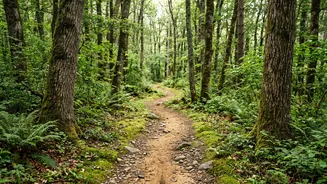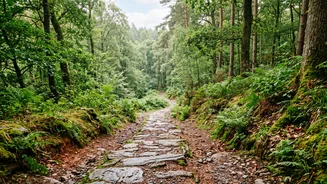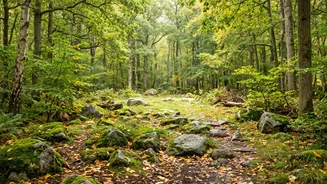



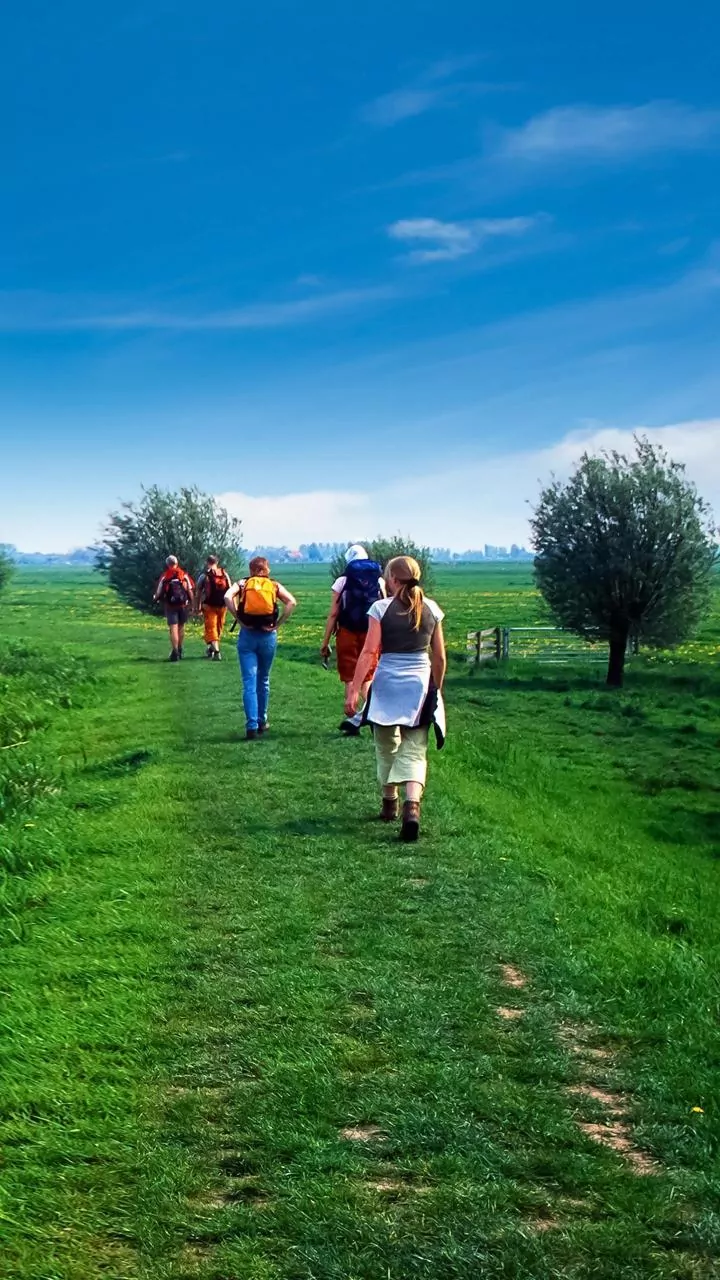



The feeling of the sun on your skin during a hike is one of life's simple joys. But beyond the warmth and the beautiful views it illuminates, daylight exposure serves a deeper, more scientific purpose for our health and well-being.
Sunlight: A Nutrient for Your Body
We often think of nutrients
as something we consume, but our bodies can produce one of the most essential ones just by being in the sun. When you're hiking on a trail, your skin is exposed to ultraviolet B (UVB) rays from the sun. These rays trigger a process in your skin that converts a type of cholesterol into vitamin D. This vital nutrient is crucial for absorbing calcium and phosphorus, which are necessary for building and maintaining strong bones. Low levels of vitamin D are linked to a higher risk of fractures, muscle weakness, and even some types of cancer. So, that sunny walk in the woods is actively helping to fortify your skeleton.
Resetting Your Internal Clock
Every person has an internal 24-hour clock known as the circadian rhythm, which governs our sleep-wake cycle. Exposure to natural light, especially in the morning, is the most powerful signal to reset this clock. When morning light enters your eyes, it tells your brain to stop producing melatonin, the hormone that makes you sleepy, and to increase alertness. A morning hike can help synchronise your internal clock with the natural day-night cycle. This regulation leads to better quality sleep at night, which in turn improves concentration, mood, and stress management during the day.
A Natural Mood and Energy Booster
If you feel happier and more energetic on a sunny day, it’s not just your imagination. Sunlight exposure increases the brain's production of a neurotransmitter called serotonin. Serotonin is often called the 'feel-good' hormone because it is associated with boosting mood and helping a person feel calm and focused. Higher serotonin levels can help combat feelings of sadness and are a key reason why sunlight is effective at reducing symptoms of Seasonal Affective Disorder (SAD), a type of depression related to changing seasons. Combining this with the physical activity of hiking, which also releases mood-boosting endorphins, makes for a powerful combination against stress and anxiety.
The Synergistic Power of Nature
While sunlight itself is incredibly beneficial, getting that exposure on a nature trail amplifies the positive effects. Studies show that spending time in 'green spaces' like forests and parks helps lower levels of the stress hormone, cortisol. Natural environments engage our brains with gentle, nonndemanding stimuli like rustling leaves or a flowing stream, which allows our directed attention to rest and recover. This can improve focus, enhance creativity, and reduce the mental fatigue caused by constant screen time and urban overstimulation. The combination of daylight's biochemical effects and nature's calming psychological impact creates a powerful synergy for overall well being.
Making the Most of Your Sun Exposure
To reap the benefits of vitamin D synthesis, you don't need to spend hours in the sun. For many people, just 10 to 30 minutes of midday sun exposure on the face, arms, and legs a few times a week is sufficient. People with darker skin tones may need longer exposure, around 25 to 40 minutes, as higher melanin levels provide more natural protection but also slow down vitamin D production. It's important to find a balance. Aim for short periods of direct sun exposure without sunscreen to allow for vitamin D synthesis, but always protect yourself from sunburn during longer hikes by applying sunscreen, wearing a hat, and seeking shade.