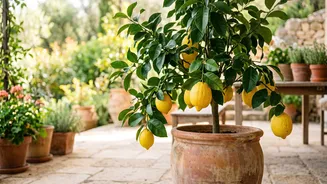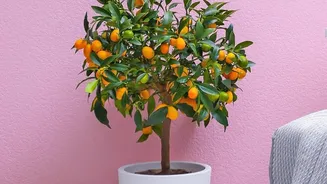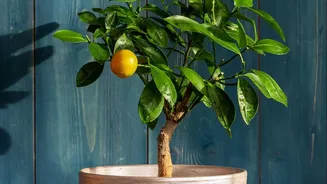


The Right Home: Pot and Soil Selection
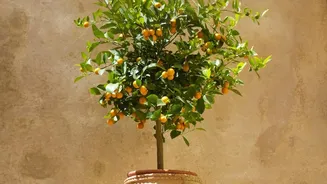
Success starts with the right foundation. Your lemon tree needs a pot with excellent drainage to prevent root rot, one of the most common issues for container plants. Start with a pot around 12 to 16 inches in diameter, which provides ample room for initial
root growth. As the tree grows, you will need to re-pot it into a larger container every few years. When it comes to soil, do not use heavy garden soil. Potted citrus trees thrive in a well-draining, slightly acidic potting mix. You can find commercial palm and cactus or citrus-specific mixes, which are ideal. Alternatively, you can create your own by blending one part peat moss or coco coir, one part perlite or coarse sand, and one part compost or composted bark. This combination ensures proper aeration, moisture retention, and prevents the soil from becoming a soggy, compacted mess.
Sunlight: The More, The Better
Lemon trees are sun-lovers. They require at least six to eight hours of direct sunlight each day to produce healthy foliage and, eventually, fruit. Find the sunniest spot on your patio, balcony, or in your garden. If you're growing your plant indoors for part of the year, a south-facing window is your best bet. While they love sun, potted trees can get stressed by intense, late-afternoon heat, which can dry out the pot quickly. A location that gets plenty of morning and early afternoon sun but is shielded from the most punishing rays of the day can be a perfect compromise.
Watering Wisely: Consistency Over Quantity
Inconsistent watering is a major stressor for potted lemon trees. The goal is to keep the soil consistently moist but never waterlogged. A good rule of thumb is to water deeply whenever the top two to three inches of soil feel dry to the touch. Poke your finger into the soil to check; don't just rely on a visual inspection. When you do water, do so thoroughly until you see water running out of the drainage holes. This ensures the entire root ball is hydrated. In hot, dry weather, you may need to water every few days, while in cooler periods, once a week might suffice. Be especially mindful that container plants dry out much faster than those in the ground.
Feeding Your Tree: The Nutrient Needs of Citrus
Potted citrus trees are heavy feeders because nutrients are flushed out of the pot with each watering. To keep your lemon plant healthy and productive, you'll need to fertilize it regularly during the growing season (spring through early fall). Use a balanced, slow-release fertilizer specifically formulated for citrus or acid-loving plants. Look for products that contain essential micronutrients like iron, manganese, and zinc. Apply fertilizer every 4 to 6 weeks according to the package directions. Some gardeners prefer a "weakly weekly" method, applying a half-strength diluted fertilizer more frequently to provide a steady supply of nutrients. Avoid fertilizing in the late fall and winter when the plant's growth naturally slows down.
Dealing with Common Pests
Even the healthiest plants can attract pests, especially when brought indoors. The most common culprits for potted lemon trees are spider mites, aphids, mealybugs, and scale insects. Regularly inspect your plant, paying close attention to the undersides of leaves and new growth. Aphids often cluster on new shoots, while spider mites create fine webbing. Scale insects look like small, hard bumps on stems and leaves. For most of these pests, an early intervention with horticultural oil or insecticidal soap is an effective, low-impact solution that works by smothering the insects. A strong spray of water can also dislodge aphids and spider mites.