



The Trouble with Simple Carbs
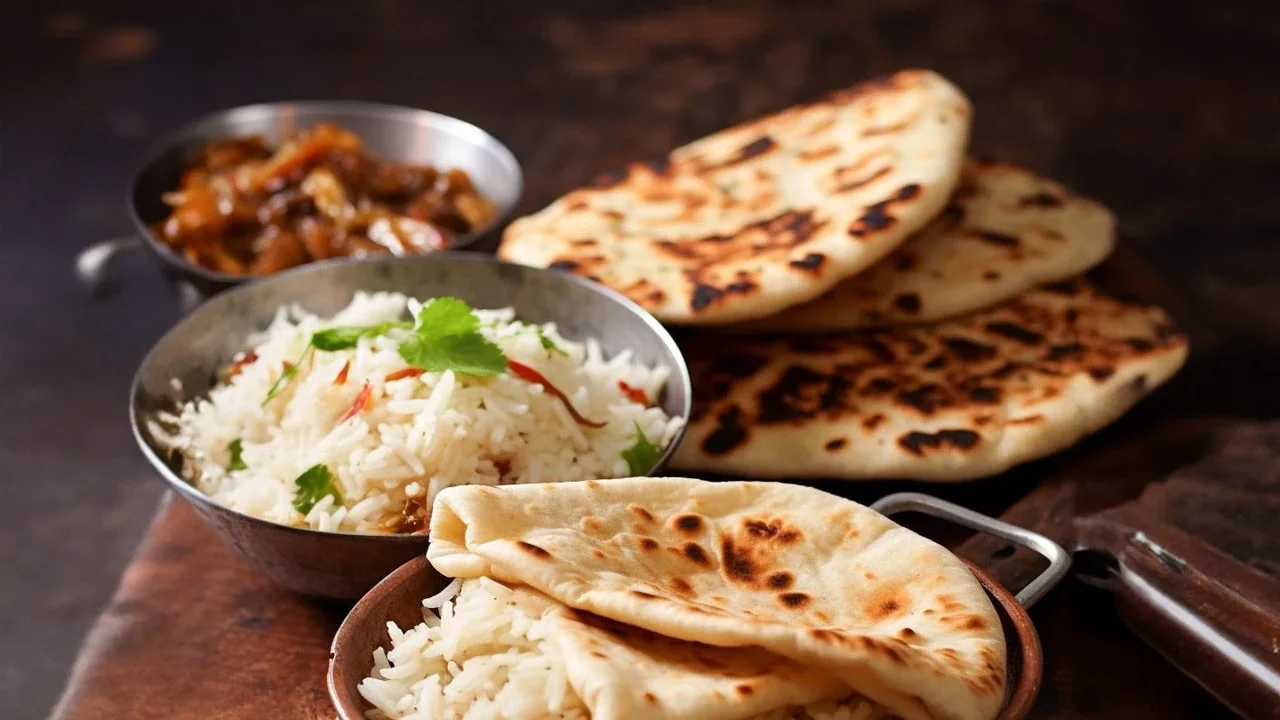
The primary reason that meals centred solely on white pasta, bread, and rice fail to provide lasting fullness lies in how your body processes them. These foods are made from refined grains, which have been stripped of their bran and germ. This process removes
most of the fibre, vitamins, and minerals. What’s left is a simple carbohydrate that your body digests very quickly. This rapid digestion causes a sharp spike in your blood sugar levels. In response, your pancreas releases a surge of insulin to help your cells absorb the sugar. This efficiency, however, is a double-edged sword. The swift clearance of sugar from your blood can lead to a subsequent 'crash', causing your energy levels to dip and hunger pangs to return with a vengeance, often sooner than you’d expect.
Protein: The Satiety Superstar
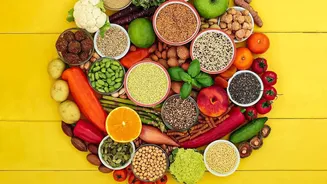
If you want to feel fuller for longer, protein is your most valuable ally. Unlike simple carbs, protein takes significantly more time and energy to digest. This slower digestion process means it stays in your stomach longer, promoting a sustained feeling of fullness, a concept known as satiety. Protein also has a minimal impact on blood sugar levels, helping you avoid the spike-and-crash cycle that triggers premature hunger. For vegetarians, incorporating high-quality protein into every meal is crucial. Think beyond the main dish and ensure sources like dal (lentils), chickpeas, kidney beans, paneer, tofu, and quinoa are present on your plate. These foods not only provide lasting energy but also deliver essential amino acids your body needs for muscle repair and overall function.
Fibre Is Your Unsung Hero
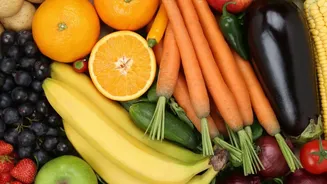
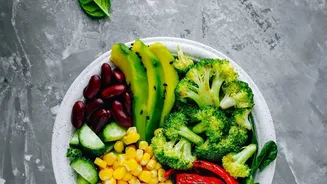
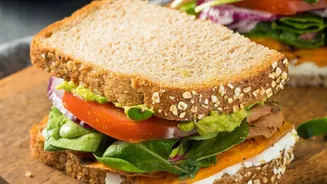
Fibre is another key component missing from refined carbohydrates. There are two types of dietary fibre, and both play a role in keeping you full. Soluble fibre, found in oats, beans, and some fruits, dissolves in water to form a gel-like substance in your digestive system. This gel slows down the rate at which your stomach empties, prolonging satiety. Insoluble fibre, found in whole grains and vegetables, doesn't dissolve. Instead, it adds bulk to your stool, which physically fills up your stomach and helps signal to your brain that you're full. The simple act of swapping white rice for brown rice or white bread for whole-wheat roti dramatically increases your fibre intake. Filling half your plate with non-starchy vegetables like broccoli, spinach, and bell peppers is another easy and effective strategy to boost fibre and volume without adding excessive calories.
Don't Fear Healthy Fats
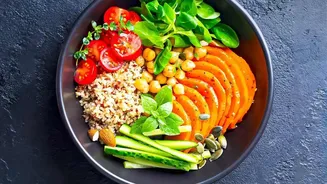
Fat has been unfairly villainised in the past, but healthy fats are essential for a balanced diet and play a significant role in meal satisfaction. Similar to protein, fat slows down stomach emptying, which contributes to a longer-lasting feeling of fullness. Including a source of healthy fat in your meals can make them more palatable and satisfying. Good vegetarian sources include avocados, nuts like almonds and walnuts, seeds such as chia and flax, and olive oil. A handful of nuts as a snack, a sprinkle of seeds on your salad, or using a dash of oil in your cooking can make a substantial difference in how full you feel after eating.
Building a Truly Filling Plate
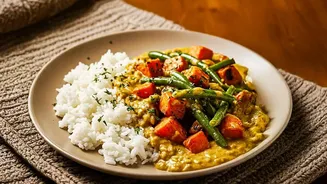
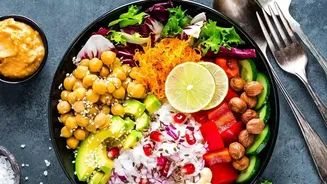
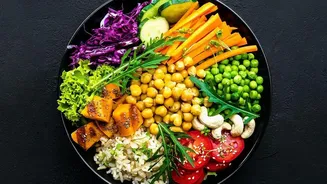
The solution isn't to banish pasta, bread, and rice. The key is to transform them from a solo act into a well-rounded ensemble. Instead of a simple bowl of pasta with tomato sauce, think of it as a base. Add chickpeas or grilled tofu for protein, toss in plenty of spinach and mushrooms for fibre, and finish with a sprinkle of cheese or a drizzle of olive oil for healthy fat. Turn a simple plate of rice into a balanced meal by pairing it with a hearty dal or chana masala. Have your roti or bread alongside a protein-packed sabzi made with paneer or mixed vegetables. By ensuring your meal contains a smart combination of complex carbs, lean protein, ample fibre, and healthy fats, you create a recipe for sustained energy and lasting satisfaction, keeping hunger at bay for hours, not minutes.