






Decoding the Numbers
The headline figures are rooted in official data and industry analysis. As of August 2026, government data confirms that around 440 space technology startups are registered in India. This marks a meteoric rise from just a single registered startup in 2014,
signaling a fundamental shift in the industry's landscape. The projection of creating over two lakh (200,000) new jobs comes from a 2025 report by workforce solutions provider Adecco India, which forecasts this expansion by 2033. This growth is part of a larger vision for India's space economy, which is currently valued at approximately $8.4 billion and is projected by the government and industry bodies to reach $44 billion by 2033.
The Policy Push That Opened the Skies
This transformation was not accidental. It was catalyzed by landmark policy reforms initiated in June 2020, which opened the historically government-led space sector to private enterprise. A key component of this new architecture is the Indian National Space Promotion and Authorisation Centre (IN-SPACe). Established as a single-window, independent agency, IN-SPACe facilitates private companies' participation by granting authorisations and enabling access to ISRO's extensive facilities, technologies, and expertise. By mid-2026, IN-SPACe had already granted 113 authorisations to 52 private entities. These reforms were further bolstered by the Indian Space Policy 2023 and a liberalized Foreign Direct Investment (FDI) regime, allowing up to 100% foreign ownership in areas like satellite component manufacturing.
An Ecosystem of Innovation
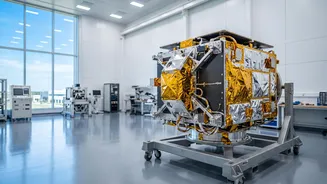
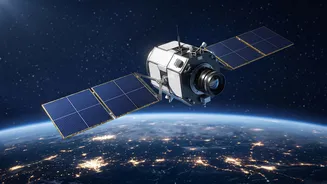
The burgeoning startup ecosystem is not just building rockets. These 440 companies are spread across the entire space value chain. They are developing launch vehicles, manufacturing satellites of all sizes, creating crucial subsystems and propulsion technologies, providing Earth observation data services, and even tackling complex problems like tracking orbital debris. Companies like Skyroot Aerospace, which in July 2026 became the first private Indian company to place a payload in orbit, exemplify this new era. Others, like Pixxel and GalaxEye, are pioneering advanced satellite imaging technologies. This diversification is attracting significant investor confidence, with cumulative private investment reaching approximately $618.5 million by March 2026, a nearly six-fold increase in just a few years.
The Two Lakh Skilled Jobs
The creation of over two lakh jobs goes far beyond traditional aerospace engineering. The evolving space sector demands a wide array of high-skilled professionals. The Adecco report highlights a need for engineers, researchers, data scientists, and business professionals. The demand is also surging for new-age roles such as robotics engineers, avionics specialists, guidance and control experts, and even space policy analysts. As the industry moves from research to manufacturing and services, there's a growing need for talent in precision machining, advanced materials, telecommunications, and AI/machine learning. This creates a powerful ripple effect, drawing talent from adjacent sectors like automotive engineering, electronics, and data analytics, fostering a more dynamic and mobile workforce.
Challenges on the Horizon
Despite the impressive growth, the path ahead is not without challenges. Funding remains a significant hurdle. While investment has grown, many startups are still in early or seed stages, and a large number remain unfunded. India's share of global space tech funding is still relatively small, indicating a gap between the number of startups and the capital available to scale them. Furthermore, the private sector remains heavily reliant on government infrastructure, particularly for launch services. Sustaining this momentum will require not only continued policy support but also a significant increase in private capital and the development of a robust domestic supply chain to truly integrate into the global space economy.