






Understanding the 'Why' Behind Fasting Foods
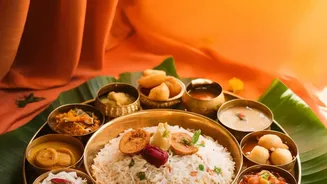
The core of Navratri fasting is to adopt a 'sattvic' diet. In Ayurvedic and yogic traditions, foods are categorised by their effect on the mind and body. Sattvic foods are considered pure, light, and calming, promoting clarity and spiritual focus. These
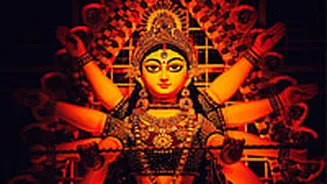
include fruits, milk, nuts, and certain flours like kuttu (buckwheat) and singhara (water chestnut). The fast requires avoiding rajasic foods (which are stimulating) and tamasic foods (which are dulling or heavy). Rajasic foods include onions, garlic, and heavily spiced dishes, while tamasic foods include meat, alcohol, and stale items. This dietary discipline is a form of 'tapas'—a chosen austerity to strengthen devotion to Goddess Durga.
The Traditional Case Against Coffee
Traditionally, many schools of thought advise against coffee during a fast. Caffeine is a stimulant, which places coffee squarely in the 'rajasic' category. The purpose of the fast is to calm the mind for prayer and reflection, whereas a stimulant like coffee can lead to restlessness or agitation, working against this spiritual goal. Some stricter interpretations prohibit all caffeinated beverages, including tea and coffee, to maintain the purity of the fast. The idea is to detoxify the body and give the senses a rest, and strong stimulants are seen as a disruption to this process.
The Modern View: A Personal Decision
In today's world, the rules are often interpreted more flexibly. There is no single, universally accepted rule about coffee for all communities across India. Family traditions and personal conviction play a significant role. For many, a morning cup of coffee is essential for functioning at work or managing daily responsibilities. Recognizing this, many households and individuals now permit coffee, especially if it's consumed in moderation. The consensus is shifting towards personal choice; if coffee doesn't cause you physical discomfort like acidity or interfere with your spiritual focus, having a cup may be acceptable.
Health and a Cautious Approach
From a health perspective, there are a few things to consider. Drinking coffee, especially on an empty stomach, can increase acidity for some people. Caffeine is also a diuretic, which can contribute to dehydration, so it's crucial to drink plenty of water alongside it. A dietitian might suggest limiting intake to one or two cups a day and avoiding it close to bedtime. If you choose to have coffee, black coffee is the purest option as it is free of additives. If you add milk, that's generally fine as dairy is allowed during the fast. However, it is wise to skip sugar or use a vrat-friendly sweetener like jaggery in moderation.
Sattvic-Friendly Alternatives to Coffee
If you decide to skip coffee but still crave a warm, energising beverage, there are many excellent sattvic options. Herbal teas, suchs as those made with ginger, lemon, or mint, are refreshing and aid digestion. Warm milk with a pinch of cardamom or saffron is a nourishing and calming choice. Other popular drinks include fresh fruit juices (like pomegranate or apple), buttermilk (chaas), and coconut water, all of which help you stay hydrated and energised without breaking the spirit of the fast.