






Know Your Unwanted Guests
Before you can win the war, you need to identify the enemy. In Indian kitchens, the most common culprits are Indian meal moths and various types of beetles and weevils. The adult moths themselves are harmless, but they lay eggs in or near food sources.
Their larvae, which look like small whitish caterpillars, are what contaminate your food, leaving behind silk webbing and droppings. Weevils are tiny beetles, often found in whole grains like rice and wheat, that burrow into the grains to lay eggs. You might also encounter flour beetles, which are small, reddish-brown insects that, true to their name, infest flour, cereals, and other milled products. Spotting any of these is a sure sign it's time to take action.
The Invitation: Crumbs, Moisture, and Neglect
Pests don't appear out of thin air; they are attracted by an inviting environment. Spilled crumbs, a thin layer of flour dust on a shelf, or a forgotten packet of biscuits at the back of a cupboard are open invitations. These food sources, combined with the dark, undisturbed corners of a pantry, create a perfect breeding ground. Most pantry pests thrive in humidity, which is why infestations can feel more common during the monsoon season. They are often brought into the home in contaminated grocery packaging, where a few eggs can quickly lead to a full-blown infestation if they find a welcoming space to multiply. This is why proactive prevention is far more effective than reactive cleaning.
Why Paper and Cardboard Are Not Enough
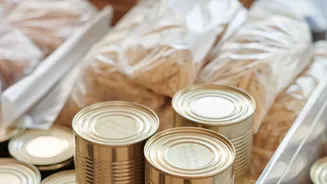
Relying on the original paper, cardboard, or thin plastic bags that your groceries come in is a critical mistake. Many pantry pests, including weevils and beetle larvae, can easily chew through this type of packaging to get to the food inside. Once a single item is compromised, the pests can spread from one box to the next, quickly contaminating your entire stock of dry goods. Storing items in their original, permeable containers is like leaving your front door unlocked for pests. To truly protect your food, you need to create a physical barrier that these tiny intruders cannot breach.
Your Best Defence: The Power of Airtight Containers
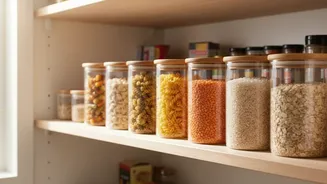
The single most effective step in preventing pantry pests is to transfer dry goods into airtight containers. Materials like glass or high-quality, BPA-free plastic with sealing lids are ideal. This strategy works on two levels: it prevents pests from getting into your food, and it contains any potential infestation that may have come from the store, stopping it from spreading. If a stray egg was present in a bag of flour, the resulting pests will be trapped within that one container instead of taking over your whole pantry. For items you use less frequently, like special flours or grains, storing them in the freezer for at least four days after purchase can kill any potential eggs or larvae.
The Deep Clean: Erasing Pests and Their Traces
If you've discovered an infestation, a deep clean is non-negotiable. First, empty the pantry completely. Discard any open and infested items immediately, sealing them in a trash bag and taking it outside. Thoroughly vacuum every shelf, paying special attention to corners, cracks, and the small holes for shelf pegs, as this is where larvae and eggs hide. After vacuuming, wipe all surfaces with a solution of white vinegar and water. This not only cleans but also helps remove the invisible pheromone trails that pests leave behind to attract others. Avoid using harsh pesticides in food storage areas.
Maintaining a Pest-Free Pantry
Once your pantry is clean and organised, a few simple habits can keep it that way. Practice the 'first-in, first-out' method with your groceries to ensure older items are used up first. Regularly wipe down shelves to remove any stray crumbs or spills. Many people also find success with natural repellents. Placing a few dried bay leaves in containers of flour and pulses can deter weevils and moths. Cloves in your sugar container can help repel ants. These natural deterrents, combined with vigilance and clean habits, create an environment where pests simply can't get a foothold.