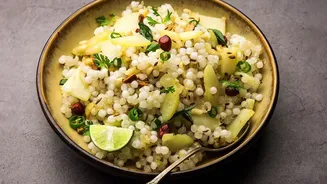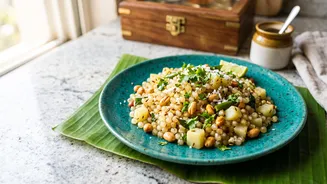






What Exactly is Sabudana?
Before mastering the technique, it helps to know your ingredient. Sabudana, also known as tapioca pearls or sago, is not a grain. It is a processed food made from the starch of the cassava root. These tiny, hard white pearls are almost entirely carbohydrates,
which is why they provide a quick burst of energy, making them a popular choice during fasting periods like Navratri. Because it's pure starch, sabudana behaves very differently from ingredients like rice or lentils. Its primary interaction with water is to absorb it and swell, a process that is fundamental to achieving the right texture.
The Science of a Perfect Soak
Soaking sabudana is essentially a process of controlled rehydration. When you soak the dry, dense pearls, water slowly penetrates the starch granules, causing them to swell and soften from the outside in. This is not just about making them soft; it's about ensuring they cook evenly. If you throw dry sabudana into a hot pan, the exterior will cook too quickly, turning gelatinous and sticky while the centre remains hard and raw. A proper soak ensures that by the time the pearls hit the heat, they are uniformly hydrated and ready to cook through quickly, turning translucent and fluffy instead of becoming a gooey mess.
The Golden Rules of Soaking
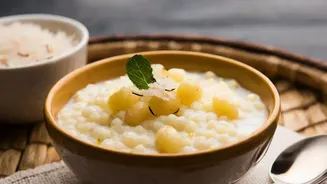
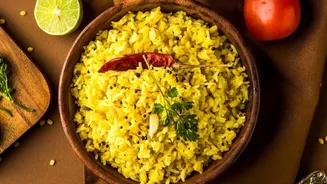
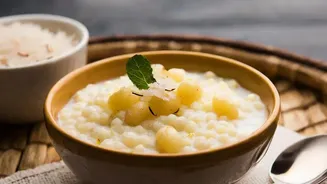
The perfect khichdi is born from a perfect soak. First, always rinse the sabudana thoroughly under running water. Wash the pearls 2-3 times until the water runs clear. This step is non-negotiable as it removes excess starch powder from the surface, which is a primary culprit for stickiness. Next, the water-to-sabudana ratio is critical. A widely successful method is the 1:1 ratio; for one cup of sabudana, use one cup of water. The water should just cover the pearls, not drown them. Let them soak for at least 4-6 hours, or even overnight. You'll know they're ready when you can press a pearl between your thumb and finger, and it mashes completely with no hard centre.
Mistake 1: The Under-Soaked Pearl
Patience is a virtue, especially with sabudana. If you cut the soaking time short, the pearls won't have enough time to hydrate to their core. When cooked, you'll end up with a dish that has an unpleasant texture: soft on the outside but with a hard, crunchy centre. Not only is this disappointing to eat, but undercooked sabudana can also be difficult to digest and may cause bloating. If you press a pearl and still feel a distinct hard bit in the middle, it's best to sprinkle a little more water, toss, and let it rest for another 30-60 minutes.
Mistake 2: The Over-Soaked Disaster
The most common reason for a sticky, lumpy khichdi is over-soaking, specifically with too much water. When sabudana pearls are submerged in an excessive amount of water, they absorb too much and begin to lose their structural integrity. They become mushy and waterlogged. When these overly saturated pearls are added to a hot pan, they break down and release excess starch, effectively turning your entire dish into a single, sticky clump. This is why getting the water level just right is so important—you want to provide just enough water for the pearls to absorb completely.
The Final, Crucial Step: Drain and Rest
Even with a perfect soak, there's one more step to guarantee non-sticky results. After the soaking time is complete, tip the sabudana into a colander or strainer. Although it might look like all the water has been absorbed, letting it sit for 15-30 minutes allows any residual moisture to drain away completely. This drying step is a game-changer. Some cooks also recommend tossing the drained pearls with a little ghee or oil, or even the ground peanut powder, at this stage. These additions help create a barrier around each pearl, further preventing them from sticking together during the final cook.