


Decoding the Dazzling Numbers
The 46% revenue growth is not just a headline figure; it represents a significant economic windfall. For the first six months of 2026, Phu Quoc's tourism revenue topped nearly 1.2 billion US dollars. This financial success is fueled by a massive influx
of visitors. The island welcomed more than 5.7 million tourists in the first half of the year, a 30.2% increase from the same period in 2025. The growth in international visitors is even more dramatic, soaring by over 50% to exceed 1.3 million arrivals. This performance is particularly noteworthy when compared to other established luxury destinations like the Maldives, which has seen a slight downturn in international arrivals during the same period. This positions Phu Quoc not just as a regional success story, but as a direct competitor on the world stage.
A Calculated Plan for Success
This boom is no accident. It's the result of a coordinated strategy involving significant investment and favourable government policies. A key driver has been Vietnam’s visa-free policy, which allows visitors from many countries to stay for up to 30 days, making access easier and more appealing. This has been paired with a massive overhaul of the island’s infrastructure. The airport has been upgraded to handle millions more passengers, and new international flight routes now connect Phu Quoc directly with key markets like South Korea, India, and Thailand. On the ground, major developers have poured capital into creating large-scale luxury resorts, casinos, and entertainment complexes, transforming the island’s offerings. These attractions, such as world-record-holding cable cars and elaborate multimedia water shows, are designed to create a destination with a wide appeal beyond its natural beaches.
The Dark Side of the Boom
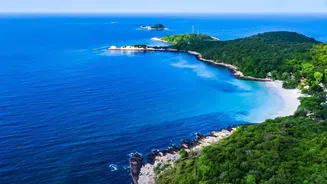
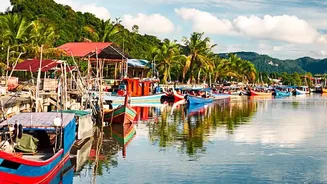
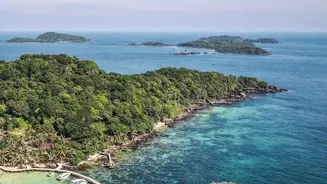
While the economic benefits are clear, such explosive growth inevitably brings challenges. Local officials and tourism experts acknowledge that the surge in visitors puts immense pressure on the island’s environment and infrastructure. Concerns are mounting over waste management, the protection of delicate marine ecosystems, and ensuring that development doesn't lead to irreversible damage like deforestation or beach encroachment. There is a growing demand for higher service standards and richer, more authentic tourism experiences to match the five-star price tags of many new resorts. The very qualities that first made Phu Quoc famous—its pristine forests, clear waters, and tranquil fishing villages—are at risk if the pace of development is not managed sustainably.
Balancing Growth and Preservation
The future of Phu Quoc hinges on finding a delicate balance. The government's master plan for the island's development explicitly targets sustainable growth, aiming to protect its biodiversity. The plan allocates over 64% of the island's area to remain as protected forest, with urban and tourism zones accounting for just over 15%. This multi-center development model aims to distribute growth along transport routes to minimize environmental harm and preserve traditional craft villages. Looking ahead, Phu Quoc is preparing to host the APEC Leaders' Week in 2027, an event that serves as both a “golden opportunity” and a major deadline to upgrade infrastructure and solidify its reputation as a world-class destination. The island's long-term goal is to become an international center for eco-tourism and relaxation, proving that economic prosperity and environmental stewardship can coexist.