


The Science Behind the Snip
That vibrant bunch of leafy greens on your carrots, beets, or turnips looks beautiful, but it's also thirsty. Even after being harvested, the greens continue to function as they did in the ground, pulling moisture and vital nutrients out of the root to sustain
themselves. This process, known as transpiration, is the primary reason your root vegetables lose their crispness and become withered. By removing the tops, you halt this nutrient drain, effectively preserving the texture, flavour, and longevity of the root. The greens deteriorate much faster than the roots, so separating them prevents the spoilage of the tops from affecting the vegetable itself.
Which Vegetables Need a Trim?
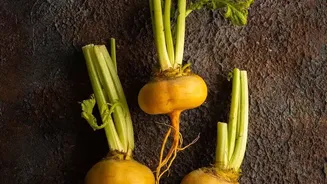
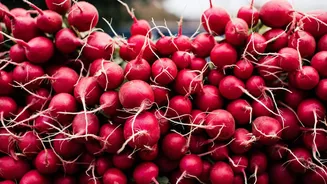
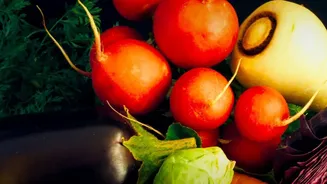
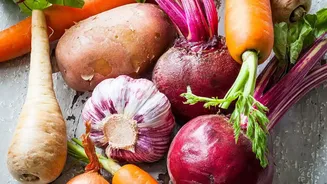
This rule applies to most root vegetables that are sold with their leafy tops still attached. Giving them a trim before they go into your fridge is essential for extending their freshness. The most common varieties that benefit from this treatment include: Carrots Beets Radishes Turnips Rutabagas Parsnips Kohlrabi Fennel For best results, trim the greens leaving about a half-inch to an inch of the stem attached to the root. This helps to seal the top and prevent it from drying out too quickly.
Proper Storage After Trimming
Once the greens are removed, proper storage is the next step to ensure a long shelf life. Most of these trimmed root vegetables thrive in cool, dark, and humid conditions, which makes your refrigerator's crisper drawer an ideal spot. For carrots, placing them in a sealed container or a plastic bag with a damp paper towel can help maintain the necessary humidity to keep them crisp. Beets and turnips should be stored unwashed in a breathable or loose bag in the crisper. Radishes can be kept exceptionally crisp by storing them in a bowl of water in the fridge. A general rule is to avoid washing any of these vegetables until right before you plan to use them, as excess moisture on the skin can encourage mold and spoilage.
Don’t Discard Those Greens
Cutting off the tops doesn't mean you have to waste them. These greens are not only edible but are also packed with nutrients, sometimes even more than the roots themselves. Beet greens are mild and can be sautéed with garlic and olive oil, similar to Swiss chard. Carrot tops, which have an earthy, parsley-like flavour, are perfect for making a vibrant pesto or chimichurri. Radish greens have a peppery kick, much like arugula, making them a great addition to salads or wilted into pasta dishes. You can also chop and add any of these greens to soups, stocks, or stir-fries for an extra boost of flavour and nutrition. To store them, wrap the unwashed greens in a damp paper towel and place them in an airtight container or bag in the fridge, where they will typically last for a few days.
The Exceptions to the Rule
It's important to note that not all underground vegetables follow these storage rules. Potatoes, for example, should be kept in a cool, dark, and well-ventilated place like a pantry, but not in the refrigerator, as the cold can turn their starch to sugar and affect the taste. They also shouldn't be stored near onions, as the gases they release can cause each other to spoil faster. Onions and garlic also prefer a cool, dry, and dark environment with good air circulation, but they have a much longer shelf life naturally and don't come with leafy tops that drain their moisture.