


A Kinder Approach to Eating
For many, the journey to healthier eating begins with a long list of restrictions. We resolve to cut out sugar, banish fried snacks, and say goodbye to our favourite desserts. While the intention is good, this subtraction-based mindset often backfires.
Restrictive dieting can lead to intense cravings, feelings of deprivation, and a cycle of guilt and failure. Research shows that strictly forbidding certain foods can paradoxically make them more desirable. The "addition, not subtraction" model offers a gentler, more positive alternative. It shifts the focus from what you're losing to what your body is gaining, making the entire process feel less like a punishment and more like an act of self-care.
The Power of 'Crowding Out'
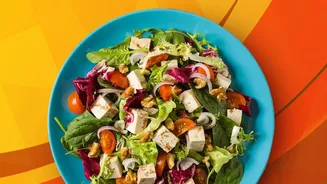
The core principle of this approach is simple: by actively adding nutrient-dense foods to your daily meals, you naturally 'crowd out' the less healthy options. As you fill up on foods rich in fibre, protein, and essential vitamins, you will have less room and fewer cravings for processed items. For instance, instead of forbidding your evening snack, try adding a bowl of fruit or a handful of nuts first. You might find your craving for chips or biscuits diminishes. This isn't about willpower; it's a gentle, automatic process. The goal is to make healthy additions so satisfying that the desire for less nutritious alternatives naturally fades over time.
Simple Additions for the Indian Diet
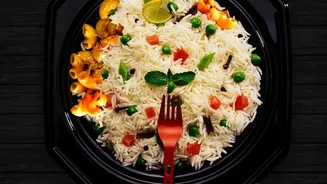
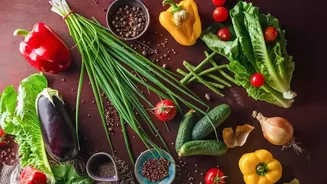
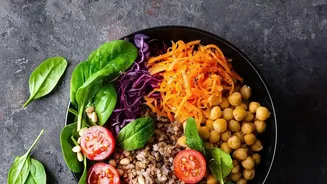
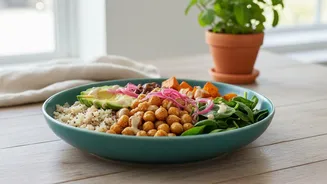
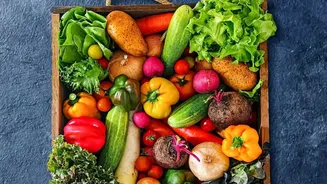
Integrating this philosophy into a typical Indian diet is straightforward and delicious. You don't need exotic superfoods; many staples are already nutritional powerhouses. Consider these easy additions: Increase your protein by ensuring every meal has a source like dal, chickpeas (chana), paneer, eggs, or yoghurt (dahi). Add more fibre by incorporating a variety of vegetables into your sabzis, sambar, or even your morning poha. Leafy greens like spinach (palak) and fenugreek (methi) are excellent choices. A handful of nuts and seeds like almonds, walnuts, or chia seeds can be a great snack or an addition to oatmeal or curd. These small, consistent additions significantly boost the nutritional value of your meals without requiring a complete overhaul of your eating habits.
Redefining a 'Useful' Food
What makes a food 'useful' in this context? It's not about being low-calorie or fat-free. A useful food is one that provides substantial nutritional benefits relative to its calorie content. These are foods that offer vitamins, minerals, protein, healthy fats, and fibre. Protein and fibre are particularly important as they promote satiety, meaning they help you feel full and satisfied for longer. This is why adding a portion of lentils or a side of steamed vegetables to your rice-based meal is more effective than just eating a smaller portion of rice. The added foods provide sustained energy and prevent the energy crashes and subsequent cravings often associated with simpler carbohydrates.
Building a Healthier Relationship with Food
Ultimately, the 'add, don't restrict' method is about building a long-term, positive relationship with food. It moves away from labelling foods as 'good' or 'bad,' which can create anxiety and disordered eating patterns. Instead, it promotes an abundance mindset. You can still enjoy a slice of pizza or your favourite mithai; the idea is to balance it by also adding a side salad or ensuring your other meals that day are rich in nutrients. This approach is more flexible, enjoyable, and therefore more sustainable. Lasting change comes not from short-term restrictions, but from building positive habits that you can maintain for a lifetime.