



A Nationwide 'Station Mahotsav'
In a unique initiative to honour its rich past, the Railway Board has organised a 'Station Mahotsav' (Station Festival) across the country. This series of events aims to showcase the incredible 173-year history of Indian Railways, connecting local communities
with the unique heritage of their own stations. The celebrations, which are taking place around India's 80th Independence Day, involve a wide range of activities designed to bring history to life. These include historical photo exhibitions, displays of vintage railway equipment, the release of a special heritage magazine called 'Virasat Smarika', and even short films about the stations themselves. To complete the festive atmosphere, many locations will feature laser shows, regional food festivals, and stalls promoting local art and handicrafts, making each station a hub of cultural pride.
Living Museums of a Bygone Era
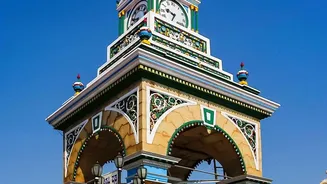
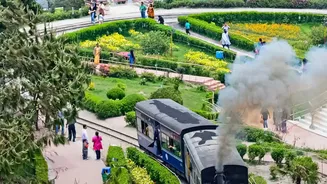
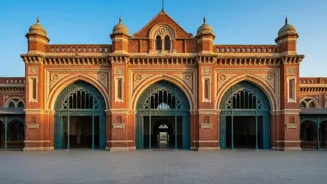
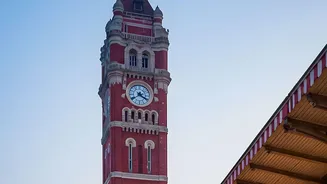
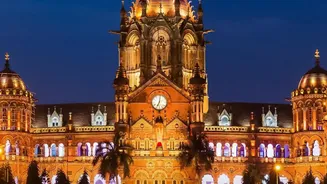
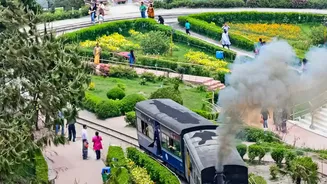
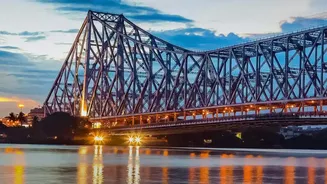
These 103 stations are more than just transit points; they are living museums. Of the selected locations, a remarkable 72 date back to the 19th century, with some of the oldest, like Kalyan in Maharashtra and Howrah in West Bengal, established in 1854. Many of these structures are architectural marvels, reflecting Victorian, Gothic, and Indo-Saracenic styles that tell the story of a different era. Stations like Mumbai’s Chhatrapati Shivaji Maharaj Terminus, a UNESCO World Heritage Site, and Lucknow's Charbagh station are renowned for their grandeur. The initiative also includes newer, but still historic, stations from the 1930s, such as Thiruvananthapuram in Kerala and even the famous Malgudi station (Arasalu) in Karnataka, immortalised in fiction. The list spans the breadth of the nation, from Dera Baba Nanak in Punjab to stations in the Nilgiri Mountain Railway, another UNESCO site.
Connecting Past, Present, and Future
This focus on heritage is part of a dual strategy by Indian Railways. While celebrating its past, the organisation is also aggressively pushing towards the future. This initiative runs parallel to the ambitious 'Amrit Bharat Station Scheme', which is redeveloping over 1,300 stations across India into modern, world-class facilities. This scheme focuses on improved passenger amenities, better accessibility, and designs that often incorporate local heritage themes. The message is clear: respecting the legacy of these historic structures does not mean halting progress. Instead, the vision is one of harmony, where high-speed Vande Bharat trains might run on tracks that pass through beautifully preserved 19th-century stations. It’s a powerful symbol of a nation on the move, one that values its roots while embracing modernity and aiming for a globally competitive railway ecosystem.
A Celebration for Everyone
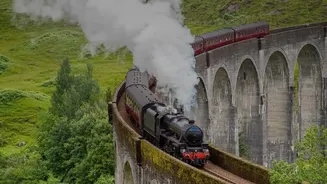
The 'Station Mahotsav' is designed to be a public-facing event, encouraging citizens to engage with their local history. Across the country, railway divisions have illuminated prominent stations and iconic railway bridges in the colours of the national flag, creating a patriotic and festive atmosphere for Independence Day. These celebrations are not just confined to major metros. The Central Railway zone has the highest number of participating 19th-century stations at 14, followed by Eastern Railway with 12, ensuring that the celebrations are widespread. By hosting food festivals and promoting local artisans, the railways are also strengthening the bond between the stations and the communities they serve. The events serve as a reminder that these stations have been silent witnesses to India's journey and have played a crucial role in uniting the nation for nearly two centuries.