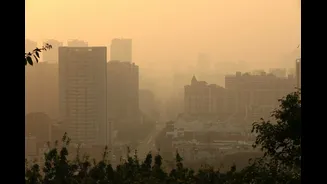








The air we breathe might be ageing our brains faster than the calendar does. A growing body of research is uncovering a concerning link between air pollution, accelerated biological ageing, and an increased risk of dementia.
The Core Finding: A Troubling Connection
Recent studies have established
a strong association between long-term exposure to air pollutants, particularly fine particulate matter (PM2.5), and negative changes in the brain. Research shows that people living in more polluted areas may experience effects equivalent to about a year of brain ageing and face a higher risk of silent strokes, which are known precursors to dementia. These tiny particles, which come from sources like vehicle exhaust and industrial emissions, are inhaled, enter the bloodstream, and can travel to the brain. The evidence suggests that this exposure is linked to reduced brain volume and a higher risk of developing dementia. Specifically, studies have found that exposure to pollutants like PM2.5 and nitrogen dioxide is associated with a thinner cortex in brain regions crucial for memory, which are the same areas often affected by Alzheimer's disease.
What Is Biological Ageing?
Your chronological age is the number of years you've been alive. Your biological age, however, reflects how old your cells and tissues are on a functional level. Think of it as 'wear and tear' at a molecular level. While everyone's biological age is different, scientists can measure it using specific 'markers' that indicate how well your body is ageing. A higher biological age compared to your chronological age suggests you are ageing faster than expected, which has been linked to a higher risk for age-related diseases, including cognitive decline and dementia.
Unpacking the 'Ageing Markers'
So, what are these markers? They are measurable indicators in our bodies that reflect our health and ageing process. In dementia and ageing research, some of the most important markers include:
Epigenetic Clocks: These look at chemical tags on your DNA (a process called DNA methylation) that change over a lifetime. Environmental factors, potentially including pollution, can speed up these changes, causing your 'epigenetic age' to tick faster than your real age.
Inflammation and Oxidative Stress: When pollutants enter the body, they can trigger a defensive response. This leads to chronic inflammation and oxidative stress, a state of imbalance that damages cells, including brain cells (neurons). These processes are considered key mechanisms through which pollution harms the brain.
Specific Proteins: Researchers have identified certain proteins in blood and cerebrospinal fluid that are linked to ageing and Alzheimer's. For example, higher levels of proteins like osteopontin and MMP-10 have been found in individuals with Alzheimer's, suggesting they are part of the biological ageing process associated with the disease.
Brain Structure Changes: Using MRI scans, scientists can see physical changes like a thinning cerebral cortex or reduced brain volume. These structural changes are direct markers of brain ageing and have been linked to pollution exposure.
How Pollution Accelerates Brain Ageing
The primary mechanism through which air pollution is believed to accelerate biological ageing is by causing systemic inflammation and oxidative stress. Tiny pollutant particles, like PM2.5, are small enough to pass from the lungs into the bloodstream. From there, they circulate throughout the body and can cross the blood-brain barrier, a protective filter for the brain. Once inside, these particles can directly cause inflammation and damage to brain tissue. This chronic neuroinflammation activates immune cells in the brain, which can lead to the death of neurons and disrupt the processes needed for learning and memory. Over time, this damage contributes to the hallmarks of neurodegenerative diseases, such as the build up of amyloid plaques associated with Alzheimer's.
What Can We Do to Protect Ourselves?
While we cannot completely avoid air pollution, especially in urban areas, there are steps individuals can take to reduce exposure and support brain health. On days with high pollution forecasts, it's advisable to limit strenuous outdoor exercise and keep windows closed. Using air purifiers with high -efficiency filters (like MERV 13 or HEPA) in your home can significantly reduce indoor particulate matter. When cooking, ensure good ventilation, as it can be a major source of indoor pollution. Beyond reducing exposure, focusing on overall health is crucial. A balanced diet, regular exercise (in low -pollution environments), and managing cardiovascular health can help build resilience against the effects of environmental stressors.