


More Than Just Heavy Rain
At its most basic, the link between a warmer planet and intense flooding is straightforward. Warmer air holds more moisture, which means that when it does rain, it can rain much harder. However, in a country with the topography of Nepal, this simple equation
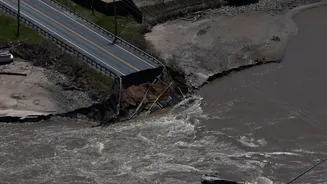
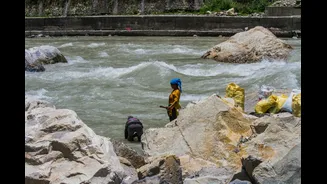
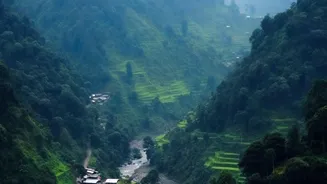
has cascading and catastrophic consequences. Recent disasters, like the devastating floods of August 2026 that claimed over a thousand lives, are not just isolated weather events. Scientists increasingly see them as symptoms of a rapidly destabilising mountain environment, a direct result of a warming world. The Himalayan region is warming at nearly twice the global average, accelerating changes that make these destructive floods more likely and more frequent.
The 'Third Pole' Is Melting
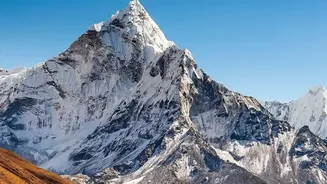
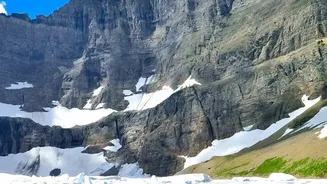
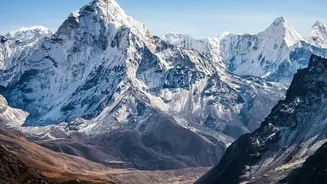
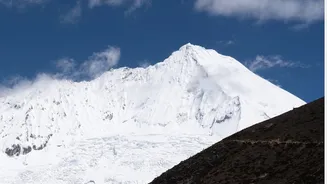
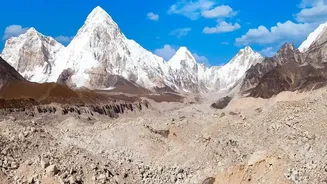
The Himalayas are often called the 'Third Pole' because they contain the largest concentration of ice outside the polar regions. This ice is now melting at an alarming rate. Since 1970, Nepal's glaciers have lost nearly a quarter of their area. This melt does more than just swell rivers. It fundamentally changes the stability of the mountains themselves. As glaciers recede, they no longer buttress the rock walls around them, making massive landslides more probable. Furthermore, the permafrost—permanently frozen ground that acts like cement for the high-altitude slopes—is thawing. This thaw weakens the rock, creating the perfect conditions for a catastrophic collapse. A recent analysis concluded that human-caused warming likely helped destabilise the Himalayan slope that gave way in August 2026, unleashing a torrent of rock, ice, and water.
The Threat of Glacial Lake Outbursts
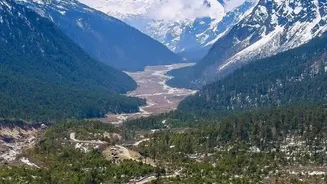
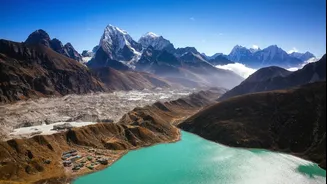
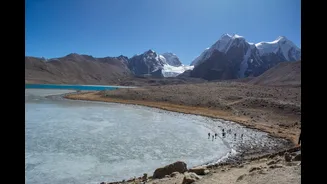
One of the most dangerous consequences of melting glaciers is the formation and expansion of glacial lakes. As meltwater pools behind natural dams of rock and debris (known as moraines), it creates what many call 'ticking time bombs'. These moraine dams are inherently unstable. An earthquake, a landslide, or even just the pressure of the growing lake can cause them to breach suddenly. The result is a Glacial Lake Outburst Flood, or GLOF, a sudden and violent release of millions of cubic metres of water and debris that scours valleys downstream. Experts warn that millions of people across the Himalayas live in the path of potential GLOFs, a risk that grows with every fraction of a degree the planet warms.
An Increasingly Erratic Monsoon
Climate change is also making the life-giving South Asian monsoon more volatile. Instead of steady, predictable rains, the region is experiencing longer dry spells punctuated by bursts of extreme, intense rainfall. This pattern is particularly damaging. The parched ground cannot absorb the sudden deluges, leading to rapid runoff, flash floods, and landslides. This shift also affects how glaciers are replenished. At high altitudes, monsoon precipitation typically falls as snow, feeding the glaciers. But as temperatures rise, more of that precipitation is falling as rain, which accelerates melting instead of building ice mass, further disrupting the delicate balance of the mountain water cycle.
A Crisis of Climate Justice
The tragic irony is that Nepal contributes less than 0.1% of the global greenhouse gas emissions driving this crisis. Yet, it is among the nations most vulnerable to the impacts. The August 2026 disaster, triggered by a massive collapse of rock and glacier ice, overwhelmed local defences and early warning systems, highlighting the limits of adaptation in the face of such powerful events. Nepali officials have been vocal in calling for international support, arguing that their country is paying with lives for a problem it did little to create. The increasing frequency of these disasters underscores a global disparity: the nations least responsible for climate change are often the first and most severely affected.