





From Imported Luxury to Indian Farms
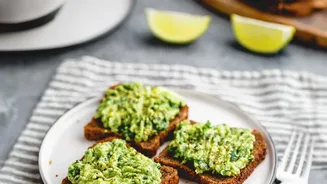
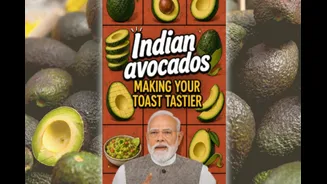
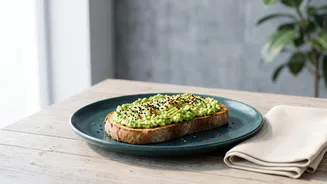
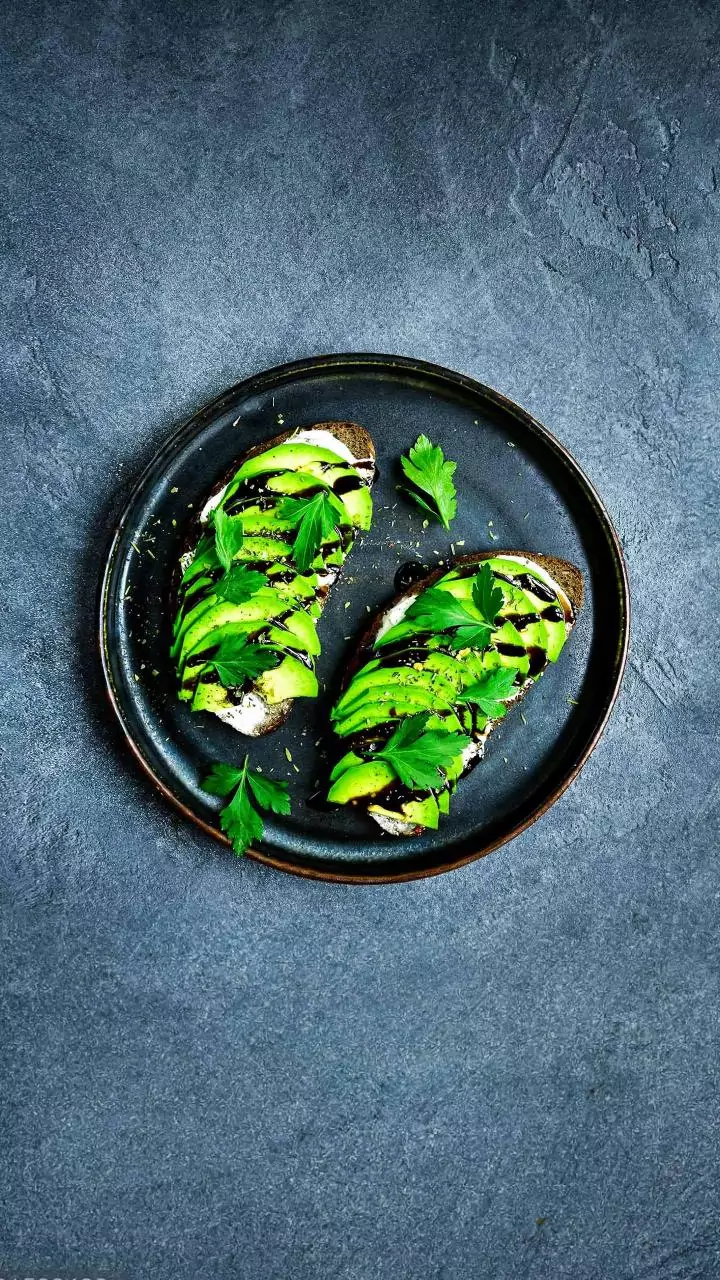
In a social media reel posted on September 2, Prime Minister Narendra Modi turned the spotlight on the avocado, a fruit that has steadily journeyed from being a relatively unknown import to a popular item on Indian dining tables. The reel, titled 'Indian
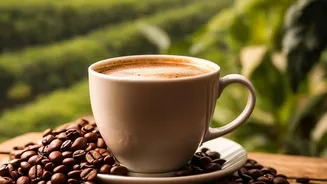
avocados are clearly getting more popular!', didn't just feature the trendy toast; it told a story of agricultural opportunity. The Prime Minister highlighted how the growing local demand for avocados is creating new avenues for Indian farmers. He shared the story of an Andhra Pradesh farmer who now successfully cultivates and sells four tonnes of avocados, and mentioned how farmers in Karnataka are planting the fruit alongside coffee. The message was clear: this popular café staple is now a homegrown success story, benefiting both health-conscious consumers and enterprising farmers.
A Direct Appeal to a New Generation
Avocado toast is more than just food; it's a cultural symbol, particularly for millennials and Gen Z. Its rise is linked to a modern, health-conscious, and globally connected lifestyle, often showcased on social media. By featuring it, the Prime Minister connects with a younger, urban demographic that values wellness, global trends, and visual appeal. This move is a subtle but effective way of demonstrating an understanding of contemporary food culture. It positions the leadership as being in tune with the aspirations and habits of a generation that is increasingly shaping India's consumer landscape. The choice of avocado toast is not random; it's a nod to a modern India that embraces new tastes and healthy living.
The 'Fit India' Connection
Prime Minister Modi has long been an advocate for health and wellness, from promoting yoga on an international stage to his own disciplined lifestyle. The avocado fits perfectly into this narrative. Packed with healthy monounsaturated fats, fibre, vitamins, and minerals, it is widely seen as a nutritious food. Featuring the fruit aligns with the broader message of the 'Fit India' movement and encourages citizens to make healthier dietary choices. While PM Modi's own diet is known to be simple and traditionally vegetarian, featuring staples like khichdi and dhokla, the inclusion of avocado in his messaging broadens the definition of healthy eating to include modern, nutrient-dense foods. It sends a signal that wellness can incorporate both traditional wisdom and new discoveries.
A Boost for Local Agriculture
For years, avocados in India were largely imported, making them expensive and a symbol of luxury. However, cultivation has been quietly growing in states like Tamil Nadu, Kerala, Karnataka, Maharashtra, and Sikkim. The Prime Minister's reel serves as a significant endorsement of this domestic cultivation. By focusing on Indian-grown avocados, the message shifts from promoting an imported product to celebrating local agricultural diversification. This aligns with the 'Make in India' and 'Vocal for Local' initiatives, encouraging consumers to seek out domestic produce and empowering farmers to experiment with profitable new crops. The reel suggests that the demand for trendy foods doesn't have to be met by imports alone; Indian agriculture can rise to the occasion, boosting farmer incomes in the process.
The Power of Political Symbolism
In the age of social media, political communication is increasingly visual and symbolic. Leaders across the world use platforms like Instagram to build their image and connect with the public in a more personal and curated way. A simple food item can convey messages of modernity, health, economic vision, and cultural relevance far more effectively than a formal speech. The avocado reel is a masterclass in this form of soft power. It wraps messages about agriculture, youth outreach, health, and economic self-reliance into a single, shareable piece of content. It demonstrates an awareness that in modern politics, image and substance are intertwined, and connecting with citizens happens as much on their social media feeds as it does through policy announcements.