



The Science of Sweetness
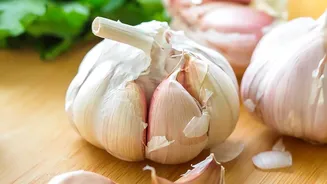
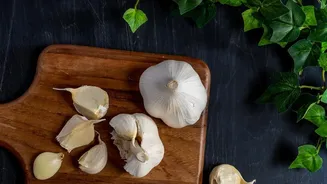
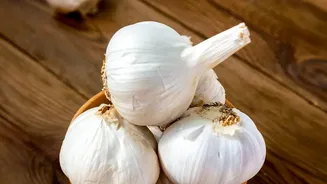
The aggressive flavour of raw garlic comes from a sulfur compound called allicin, which is created only when the clove’s cells are ruptured by chopping or crushing. This is what gives fresh garlic its characteristic sharp, almost spicy, quality. But heat
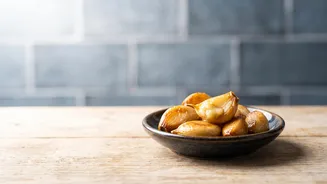
changes everything. During slow roasting, the enzyme that helps create allicin is deactivated. The intense, pungent sulfur compounds break down into milder ones. As this happens, garlic's natural sugars come to the forefront. A process called the Maillard reaction also occurs, where the heat causes amino acids and sugars to react, creating hundreds of new aromatic compounds that contribute nutty, earthy, and savoury notes. The result is a complete personality change: from sharp and biting to gentle, sweet, and deeply flavourful.
How to Roast Garlic: A Simple Guide
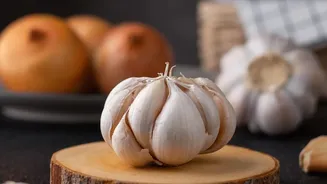
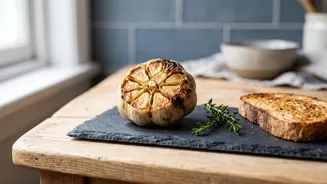
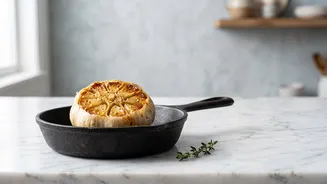
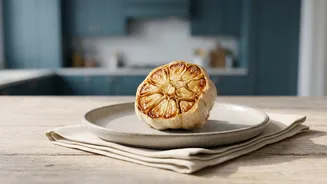
The process is incredibly simple and requires minimal effort for a huge flavour payoff. First, preheat your oven to around 400°F (200°C). While oven temperatures can vary from 350°F to 450°F, this is a reliable middle ground. Take a whole head of garlic and, without peeling it, use a sharp knife to slice about a quarter-inch off the top, just enough to expose the individual cloves. Place the head on a piece of aluminium foil, cut-side up. Drizzle the exposed cloves generously with olive oil and sprinkle with a pinch of salt and pepper. Wrap the foil around the garlic to create a sealed packet. Place it on a small baking sheet and roast for about 40 to 60 minutes. You’ll know it’s done when the cloves are a deep golden brown and feel soft and buttery to the touch when gently squeezed.
Putting Your Roasted Garlic to Work
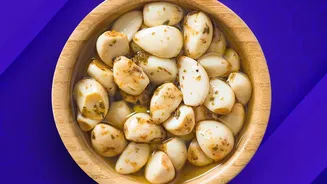
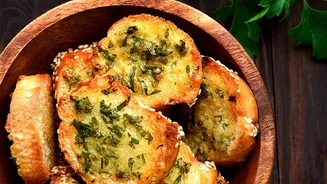
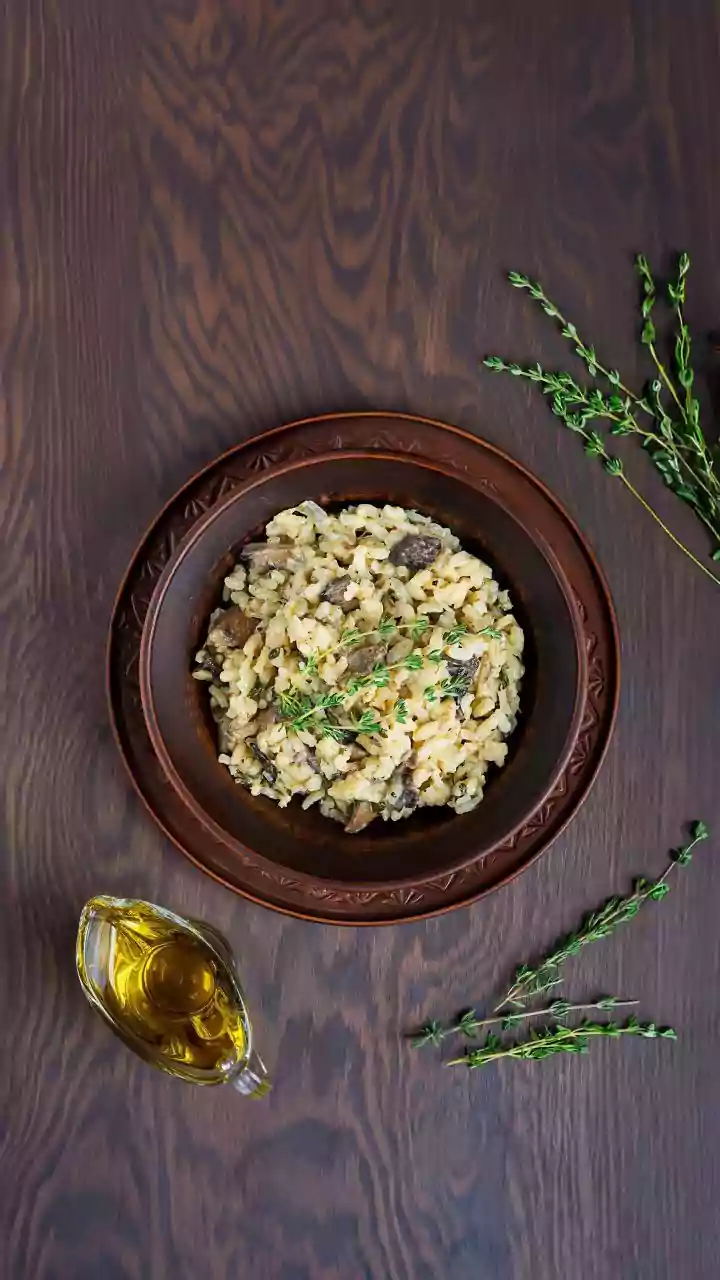
Once your garlic has cooled enough to handle, you can squeeze the soft, caramelised cloves right out of their skins. The uses for this creamy paste are nearly endless. One of the simplest and most satisfying ways to enjoy it is spread directly onto warm, crusty bread like butter. You can mash it into potatoes for an instant flavour upgrade or mix it into softened butter to create a delicious compound butter for steaks or vegetables. It also adds incredible depth to sauces, soups, and stews. Try blending it into hummus for a roasted, nutty flavour, or mixing it with mayonnaise and herbs for a gourmet sandwich spread or dip. You can even use it as a base for pizza instead of tomato sauce for a rich, aromatic twist.
Tips for Storage and Variations
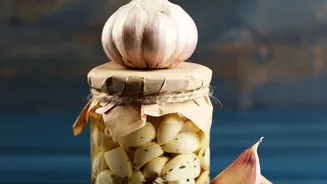
To store roasted garlic, you have a few options. You can keep the whole roasted heads in an airtight container in the refrigerator for about four days. For longer storage and easier use, squeeze the cloves out, place them in a small jar, and cover them with olive oil. Stored this way in the refrigerator, the paste can last for up to two weeks. For an even longer-term solution, you can freeze individual roasted cloves on a baking sheet before transferring them to a freezer bag, where they will keep for months. For a variation, try roasting peeled cloves for a quicker result (about 20-25 minutes), or toss some fresh herbs like rosemary or thyme into the foil packet before roasting to infuse the garlic with more flavour. You can also roast garlic in an air fryer at around 370°F (190°C) for 25 to 30 minutes.