






Understand Clove’s Potent Power
The secret to clove’s intensity lies in a chemical compound called eugenol. This is what gives cloves their signature warm, sweet, and slightly peppery aroma, but it's also responsible for the numbing sensation you feel if you bite into one. Because eugenol is so concentrated,
even a small amount of clove can make a big impact. Unlike subtler spices, clove doesn't blend into the background easily. Its flavour is designed to stand out, which is why a 'less is more' approach is always the best strategy. The goal is not to eliminate the clove flavour but to tame it, turning its powerful voice into a harmonious whisper that complements other ingredients.
Whole vs. Ground: A Crucial Choice
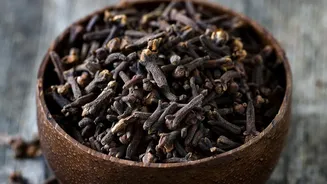
Your first major decision is whether to use whole or ground cloves, and the choice significantly impacts flavour control. Whole cloves release their flavour slowly, making them ideal for infusions. Think of them like a teabag: you can add them to simmering liquids like milk for a pudding, cider, or a poaching liquid for pears, and then remove them once the desired level of spice is reached. This gives you maximum control. Ground cloves, on the other hand, release their flavour instantly and intensely. They are impossible to remove once added, making them perfect for baked goods like gingerbread or spice cookies where you want the flavour fully integrated. As a rule of thumb, if a recipe calls for one teaspoon of whole cloves, you can substitute with about ¾ teaspoon of ground cloves.
The Gentle Art of Infusion
Infusion is your best friend for achieving a nuanced clove flavour. Instead of adding ground clove directly into a cake batter, try infusing the milk or butter first. Gently warm your liquid with two or three whole cloves for about 10-15 minutes, then let it cool and remove the cloves before proceeding with the recipe. This technique transfers the aromatic compounds into the liquid without the harshness. Another method is to 'bloom' the spice in fat. Gently heat a small amount of butter or oil with a whole clove for a minute before incorporating it into your dish. The fat-soluble eugenol will infuse the oil, creating a rounder, more mellow flavour that disperses evenly.
Find the Perfect Flavour Partners
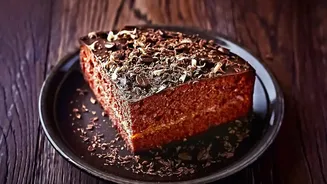
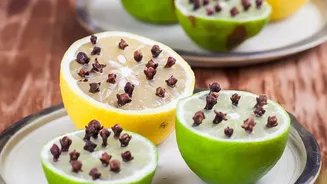
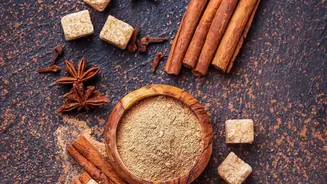
Clove rarely works alone in sweet dishes; it shines brightest as part of a team. Its bold flavour is beautifully balanced by other warming spices like cinnamon, nutmeg, allspice, and ginger. These spices share similar aromatic profiles and can help mellow clove's sharp edges. Sweetness and acidity are also key balancing acts. Fruits with natural sweetness and tartness, such as apples, pears, and oranges, are classic pairings. The acidity cuts through the richness of the clove, while the fruit's sweetness complements its warmth. In richer desserts, ingredients like vanilla, chocolate, and molasses provide a deep, resonant base that can stand up to clove's intensity.
A Light Hand and Careful Measurement
When using ground cloves, precision is non-negotiable. Overuse can lead to a bitter, almost metallic aftertaste. Start with a very small amount—a tiny pinch or 1/8 of a teaspoon is often enough for an entire batch of cookies or a cake. A good guideline for baking is to use about ¼ teaspoon of ground cloves per two cups of flour. If you're unsure, it's always better to under-season. You can't take it out, but you can often adjust by adding other complementary spices. Remember, the goal is for someone to notice a pleasing warmth and complexity, not for them to be able to immediately identify the dominant taste of clove. When handled with care, clove moves from being a bully to a brilliant supporting actor.