








A New E-Visa Destination on the Map
Indian passport holders now have a more direct route to the heart of Eastern Europe, as Belarus has officially added India to its e-visa program. The decision, confirmed by the country's Council of Ministers on September 14, 2026, marks a significant
shift in accessibility for tourists and business travellers alike. Previously, visiting Belarus required either a traditional sticker visa obtained through an embassy or a conditional visa-free entry that came with major caveats. That older route was only available to those entering through Minsk National Airport and, crucially, required travellers to already hold a valid, used Schengen visa. The new e-visa system scraps these complex prerequisites, creating a straightforward digital pathway for Indians, regardless of their prior European travel history. This change is part of a broader initiative by Belarus to foster stronger economic and tourism ties with India, with discussions also underway for potential direct flights connecting Minsk with cities like Mumbai and Goa.
How the New Process Works
The primary advantage of the new system is its simplicity. The application process is now entirely online, eliminating the need for in-person appointments at a consulate and the logistical hurdles that come with them. While the official portal is being updated, the expected requirements are standard for most e-visa systems. Prospective travellers will need to gather a few key documents before they start. This includes a passport with at least six months of validity and sufficient blank pages, a recent digital passport-style photograph, and proof of confirmed onward or return travel tickets. Applicants will also likely need to show proof of accommodation, such as hotel bookings for the duration of their stay. Additionally, having medical travel insurance with a minimum coverage of €10,000, valid across Belarus, is a standard requirement for entry into the country and is expected to continue for e-visa applicants. After filling out the application form online, a fee is paid electronically, and the approved e-visa is delivered digitally, ready to be presented upon arrival.
Easier Paperwork, Not a Free Pass
While the headline change is the reduction in administrative legwork, it is crucial for travellers to understand that this simplifies the application process, not the entry conditions themselves. Meeting the fundamental requirements for international travel is still non-negotiable. As with any country, Belarusian border officials retain the final say on entry. Travellers must be prepared to present their travel documents, including the e-visa confirmation, passport, return tickets, and proof of funds upon arrival. The e-visa allows for short-term stays for purposes like tourism and business, and it’s important that your stated purpose matches your actual travel plans. Misrepresenting your intentions or failing to provide the necessary supporting documents can lead to a refusal of entry, even with an approved e-visa. Therefore, the core principles of being a well-prepared traveller remain: ensure your documents are in order, understand the visa’s limitations, and be ready to answer basic questions about your itinerary at the border.
Why Belarus? A Look Beyond the Visa
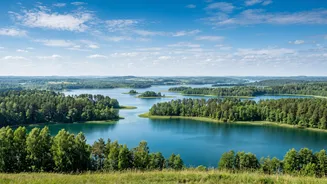
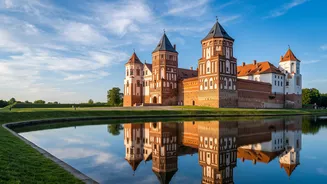
With the visa question simplified, the next question is: what does Belarus offer? For those looking to explore a corner of Europe that is not on the typical tourist circuit, the country provides a unique blend of history, nature, and Soviet-era architecture. Its capital, Minsk, is known for its wide avenues, monumental squares, and clean, green parks. It’s a city rebuilt with grand ambition after World War II, offering a different aesthetic from the cobblestone streets of Western Europe. Beyond the capital, Belarus surprises with its natural beauty. The Braslav Lakes National Park, often called the country's 'blue necklace,' is a stunning region of interconnected lakes, islands, and forests, perfect for hiking and quiet reflection. As a destination, it is also considerably more affordable than many of its European neighbors. This combination of easier access and lower travel costs makes it an intriguing option for Indians seeking new experiences.
The Bigger Picture for Indians Travelling to Europe
The move by Belarus is happening amidst a wider evolution of European travel rules for Indians in 2026. The Schengen Area, which comprises 29 countries, has also been rolling out significant changes. The new Entry/Exit System (EES) is replacing physical passport stamps with a digital biometric record, creating a permanent travel footprint for non-EU visitors. At the same time, the EU has implemented a 'cascade' regime for Indian nationals, making it easier for frequent travellers with a clean visa history to obtain multiple-entry Schengen visas with validity for two, and eventually up to five, years. While Belarus is not part of the Schengen Zone, its e-visa adoption reflects a broader trend: European nations are increasingly recognizing the importance of the Indian travel market and are modernizing their systems to manage and encourage this flow of visitors, whether through digital visas or more favorable long-term access.