

A Journey to the Hidden Hemisphere
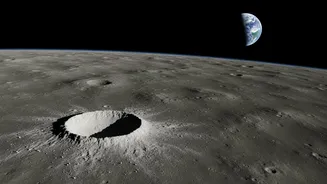
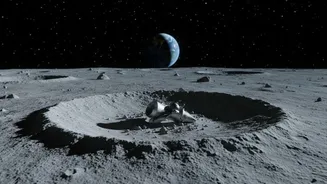
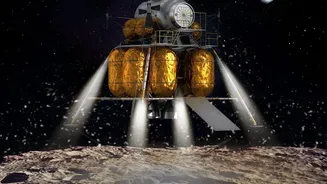
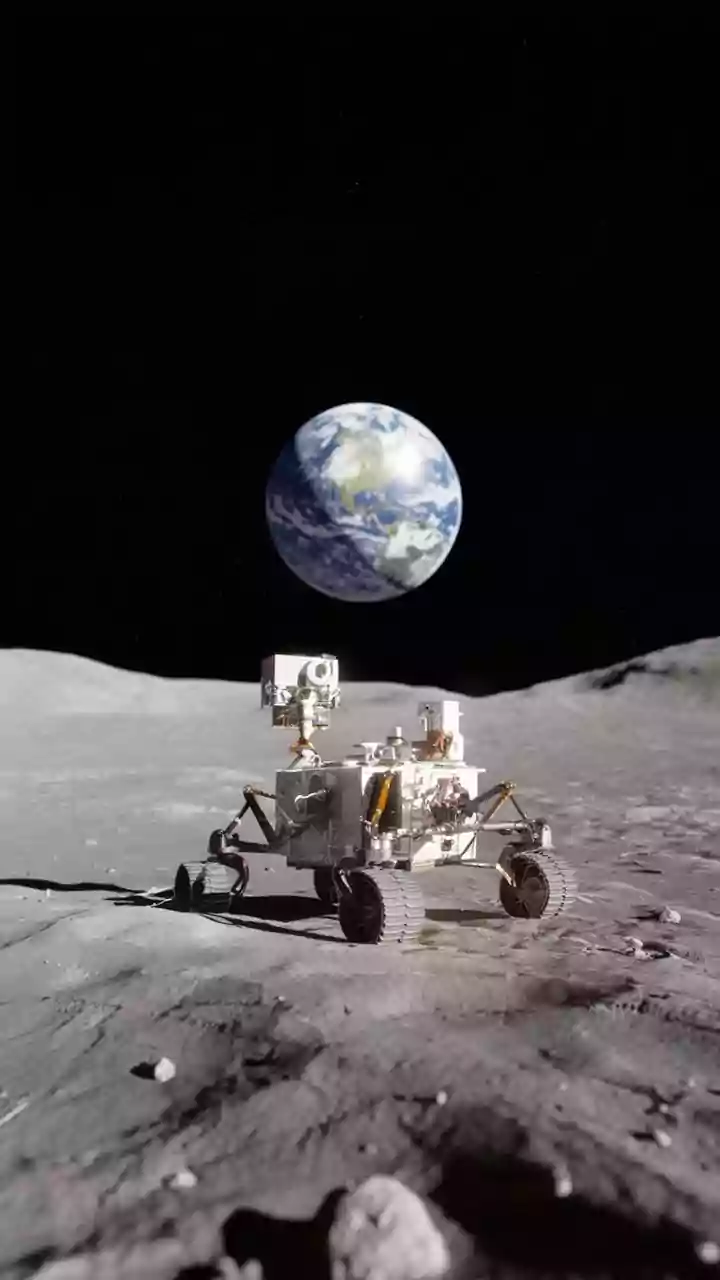
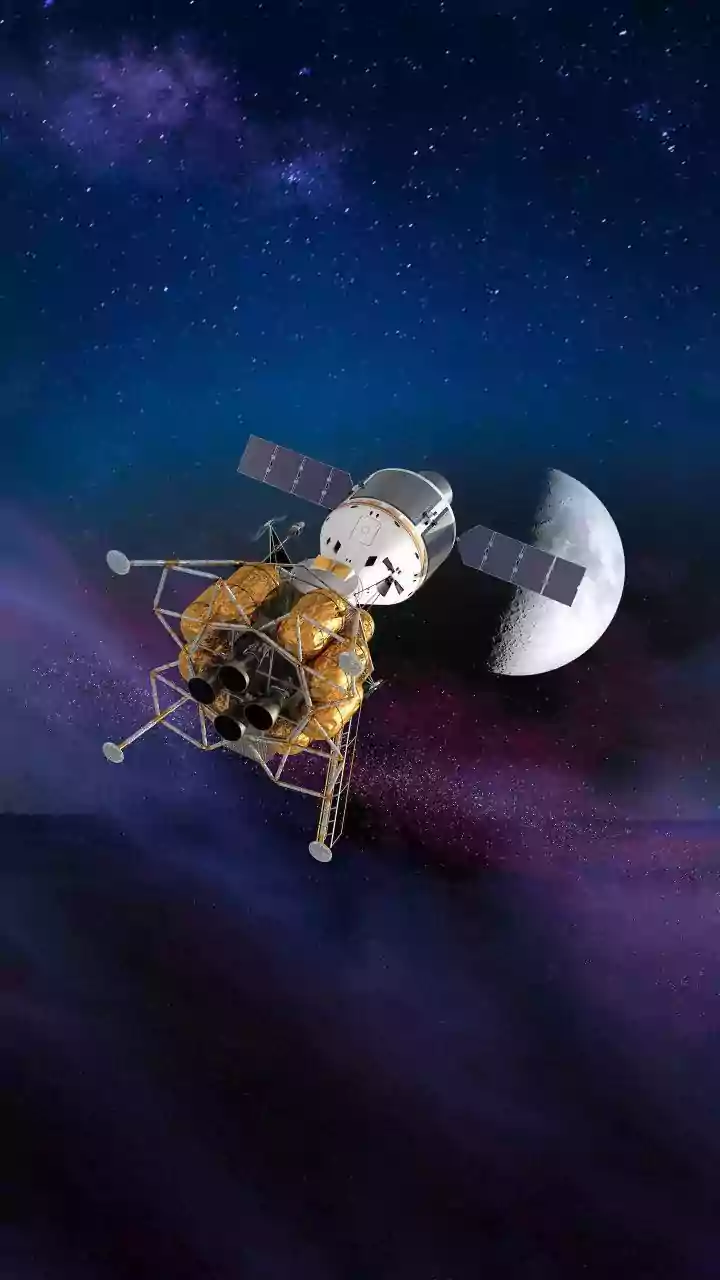
In June 2024, the world watched as China's Chang'e-6 lander touched down in the South Pole-Aitken (SPA) Basin, a colossal crater on the side of the Moon that perpetually faces away from Earth. This region is the oldest and largest impact basin on the Moon,
a place scientists have longed to study up close. The mission's goal was ambitious: to collect nearly 2 kilograms of rock and soil and return them to Earth, a feat never before attempted. The successful return of these precious materials has provided an unprecedented window into the Moon’s formation, its volcanic past, and the stark differences between its two faces.
What Makes Far-Side Rocks Different?
Initial studies have confirmed that the Chang'e-6 samples are markedly different from anything brought back by the Apollo or previous Chang'e-5 missions. Geochemically, the soil is low in iron but rich in aluminum and calcium. Researchers noted the physical properties were also distinct, with a lower density and a greater number of rock fragments and glass particles compared to near-side samples. These differences suggest a unique geological history. The far-side samples are a mixture of local volcanic basalts and debris ejected from other impacts, offering clues not just about the landing site but also about the wider lunar crust and possibly even the Moon's mantle, which was excavated by the ancient impact that formed the SPA basin.
Rewriting the Moon's Volcanic and Impact History
The samples are helping scientists piece together a more accurate timeline of the Moon. Analysis confirmed that the SPA basin formed about 4.25 billion years ago. The rocks also show evidence of volcanic activity on the far side stretching across a vast period, with some basalt fragments dating back 4.2 billion years and others as young as 2.8 billion years old. This extended period of volcanism was not widely expected. Furthermore, by studying metallic particles embedded in the soil, scientists have found that the types of asteroids hitting the Moon have changed over time. The evidence suggests that carbonaceous asteroids, which are rich in water and organic materials, began impacting the lunar surface later than previously thought, a finding that has implications for how Earth got its water.
The Earth's Protective Shield and a Magma Ocean
One of the most fascinating discoveries relates to the solar wind—a stream of charged particles from the Sun. Analysis of noble gases trapped in the soil revealed that the far side is bombarded by a more intense solar wind. This is because the Earth's magnetosphere partially shields the near side, slowing down the particles that hit it. This uneven exposure has been happening for billions of years, creating a distinct difference in the composition of the soil on the two hemispheres. Other studies of the basalt composition support the long-standing theory of a primordial "magma ocean," suggesting the early Moon was once entirely molten. The similarity between far-side and near-side basalts points to a globally consistent mantle source, strengthening this foundational model of lunar evolution.
The Geopolitical Impact
The success of Chang'e-6 is more than a scientific triumph; it solidifies China's position as a leading space power. By mastering the complex technology required for a far-side sample return, China has demonstrated capabilities that are central to the future of lunar exploration, including the construction of permanent bases. The data and samples are not just for China; they are a global resource that will fuel lunar science for decades, leading to new collaborations and discoveries. The mission's findings are already being incorporated into updated geological maps of the Moon, providing a new foundation for future missions from all nations. It has firmly shifted the focus of lunar science to the far side, a region that promises many more secrets to unlock.