







The Golden Rule: Give Them Space
The single most important sign of a responsible dolphin tour is respect for the animals' personal space. A boat captain who truly cares for the dolphins will maintain a significant distance. International guidelines and local initiatives, like those recommended
for areas such as Goa, often suggest staying at least 50 to 100 metres away. An irresponsible operator will try to get as close as possible, often crowding the animals for a better photo opportunity. This can be incredibly stressful for dolphins, disrupting their natural behaviours. Responsible operators know that if the dolphins are curious, they will approach the boat on their own terms. That kind of voluntary interaction is far more magical than a forced encounter.
Watch the Boat, Not Just the Dolphins
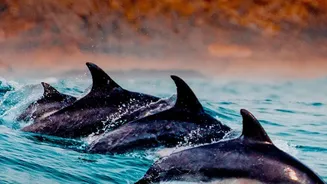
How a boat is handled tells you everything you need to know. Ethical operators will approach a pod of dolphins slowly and cautiously. They will move parallel to the animals’ direction of travel, never charging at them head-on or chasing them from behind. Practices like racing towards a pod, cutting off their path, or circling them to keep them in one spot are major red flags. These aggressive manoeuvres can cause immense stress, separate mothers from their calves, and even lead to injuries from boat propellers. A good operator might even cut the engine entirely, allowing you to drift and observe quietly, creating a peaceful experience for everyone, including the dolphins.
A Tour Guide, Not Just a Tour Driver
Pay attention to what the crew says. A responsible tour is an educational one. The guide should be sharing fascinating facts about the dolphins’ biology, their social structures, and the local marine ecosystem. They will talk about conservation and the importance of protecting these animals. If the only commentary you hear is “Look, over there!” followed by a revving engine, you are likely on a purely commercial trip that places little value on animal welfare. Some unethical tours in popular tourist spots even operate on a 'no dolphin, no payment' basis, which directly encourages operators to harass animals to secure a sighting. A responsible tour will never guarantee a sighting, because the animals’ well-being comes first.
Learn to Read Dolphin Body Language
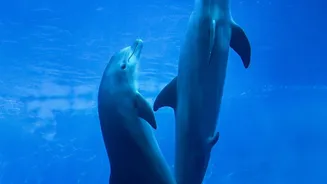
You don't have to be a marine biologist to spot a stressed dolphin. If you see dolphins repeatedly slapping their tails on the water, making sudden and frequent changes in direction, or undertaking long, deep dives only to surface far away, they are likely trying to get away from the boats. Another clear sign of distress is a mother attempting to shield her calf by positioning her body between the young one and the boat. These are not signs of play; they are clear indicators that the animals feel threatened. A responsible operator will see these signs, back off immediately, and leave the area. An unforgettable encounter is one where the animals are relaxed and behaving naturally, not one where they are panicked.
No Feeding, No Touching, No Exceptions
It should go without saying, but no wild animal should ever be fed or touched by tourists. Feeding wild dolphins is particularly harmful. It interferes with their natural hunting instincts, can make them ill, and creates a dangerous dependency on humans. It can also lead them to associate boats with food, increasing the risk of accidental injury. Similarly, any tour that promotes swimming with or touching wild dolphins is acting irresponsibly. Respectful observation from a distance is the only ethical way to interact with these magnificent creatures in their natural habitat. The best operators know this and enforce a strict hands-off policy.