



Why Rice Is More Than a Commodity
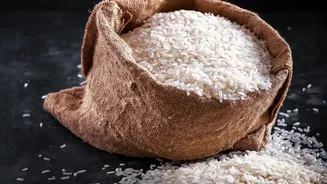
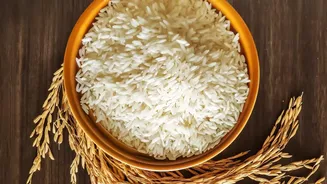
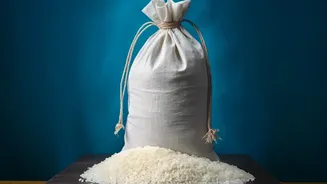
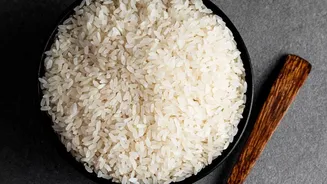
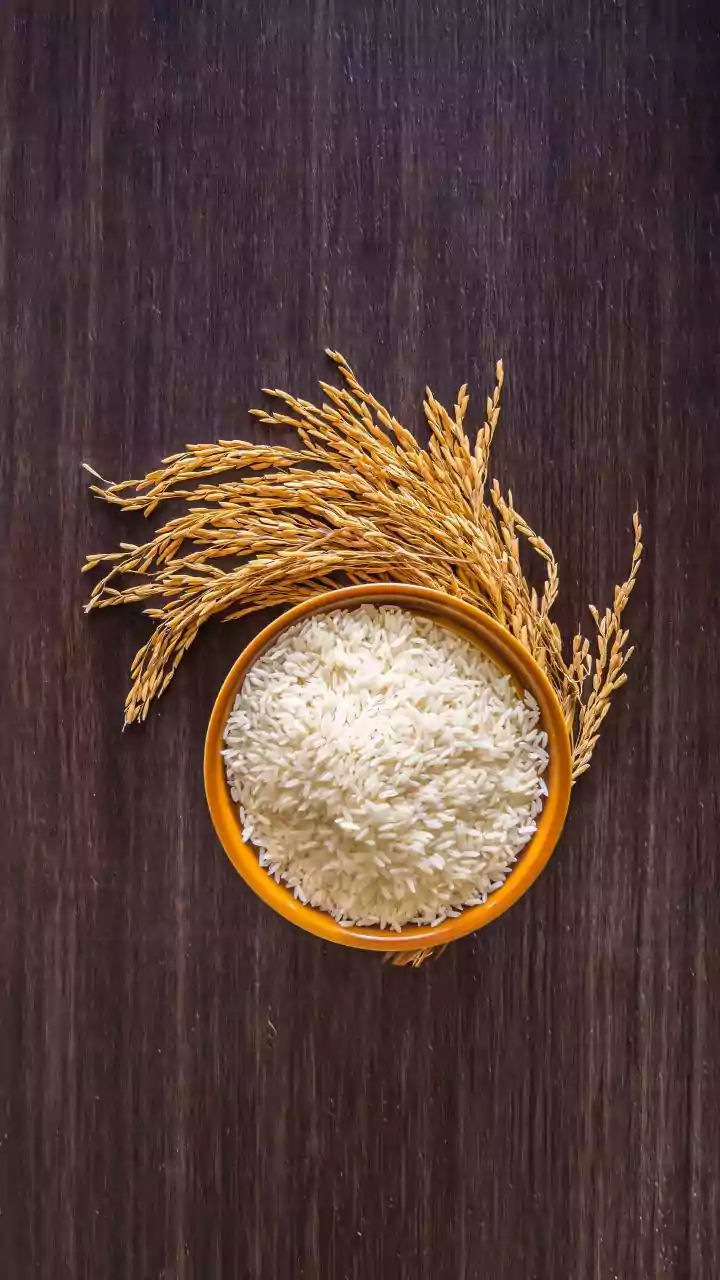
Rice is the primary staple for more than half the world's population. For billions, particularly across Asia and Africa, its availability and affordability are direct measures of food security. Unlike stocks or cryptocurrencies, rice prices are tied to the immediate
well-being of entire nations. When prices fluctuate, the impact is felt not on a trading floor, but at the dinner table. High prices can strain household budgets and lead to social unrest, while collapsing prices can devastate the livelihoods of millions of smallholder farmers. Therefore, reading the rice story isn't about predicting market movements for profit; it's about understanding a critical indicator of human security and the complex forces that threaten it.
The Direct Line from Conflict to Your Plate
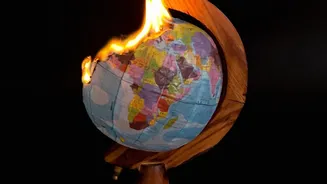
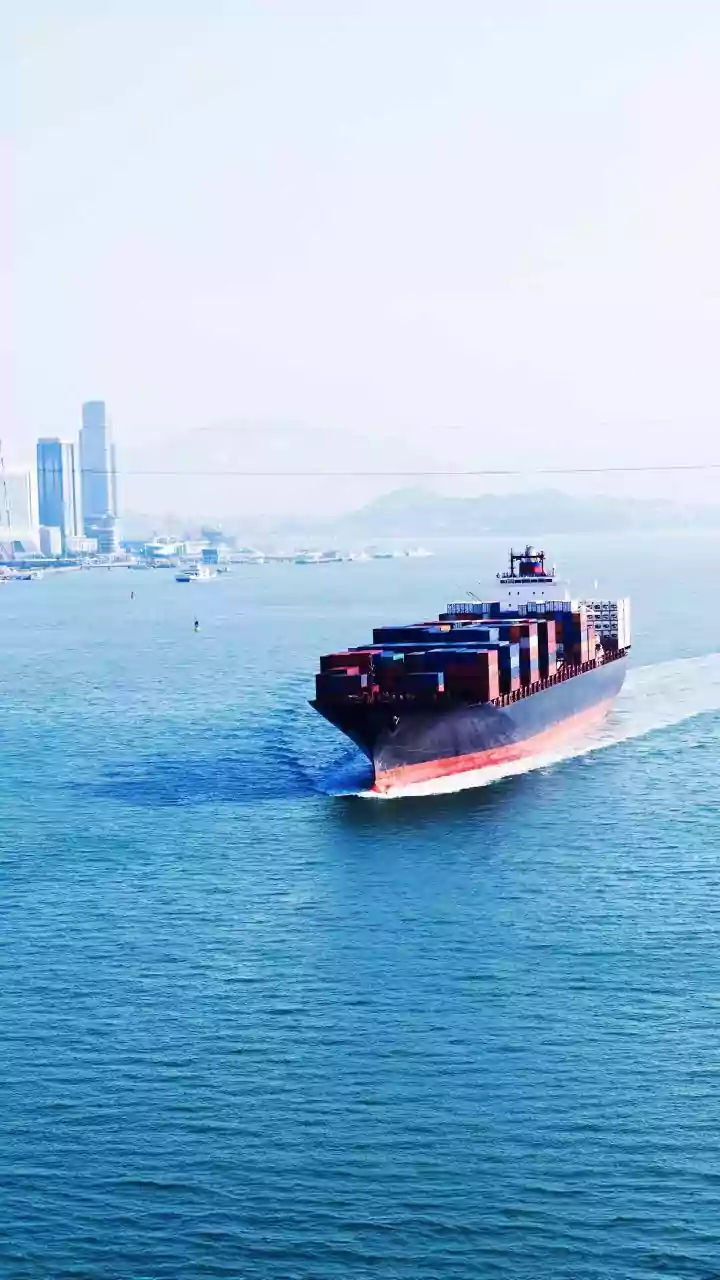
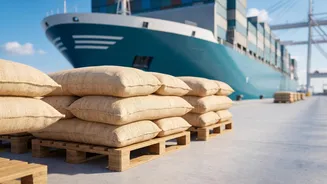
Geopolitical conflict is a major driver of volatility in food markets. In 2026, tensions in several key maritime chokepoints, such as the Strait of Hormuz, the Red Sea, and the Black Sea, have ripple effects on global trade. These routes are vital for transporting not just food, but also the energy and fertilizers needed to produce it. When shipping lanes are disrupted by conflict, the costs of insurance and fuel spike. This increases the price of moving commodities, and those costs are ultimately passed down to consumers. The UN Secretary-General has warned that the global food supply has effectively become "collateral damage" in these conflicts, which choke the arteries of global trade and make food more expensive to produce and ship. This instability is a key reason why food security remains a persistent global challenge.
It's Not Just About Conflict
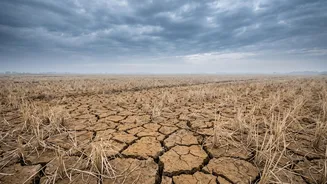
While conflict grabs headlines, climate change is arguably the most significant long-term threat to food production. In Southeast Asia, a critical rice-growing region, climate change is causing more erratic rainy seasons, which are becoming shorter and more variable. Studies show that rising temperatures and drier dry seasons are projected to reduce rice yields, even in irrigated systems. In 2026, concerns about a weak Indian monsoon and El Niño-driven drought conditions across Southeast Asia are already creating anxiety about future harvests. On top of this, national policies play a huge role. Export bans or restrictions, often imposed by major producers like India to protect domestic supplies, can cause immediate price shocks in the global market, as seen in previous years.
The Indian Context
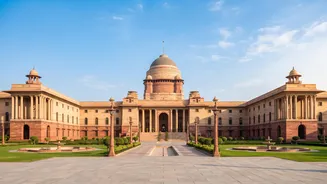
As the world's largest exporter of rice, India plays a pivotal role. The government's policies on exports and domestic prices have a massive impact globally. While India has at times eased export restrictions, the country's weak monsoon in 2026 has raised concerns about domestic supply and sowing targets. At the same time, some Indian states with massive surpluses, like Telangana, are developing dedicated policies to boost exports. This creates a complex dynamic: India must balance its international market position with the primary need to ensure food security for its own population. This balancing act, influenced by weather patterns and domestic politics, is a key variable in the global rice equation. Indian exporters are also looking to diversify their markets beyond traditional destinations, with shipments to countries like Jordan and Turkey growing significantly.
A Better Way to Understand the Story
So, how should we process the news about rice prices? Instead of seeing it as a signal to buy or sell, view it as a report card on global health. Rising prices are a symptom of deeper issues: geopolitical instability, a warming planet, and fragile supply chains. The story is not about market speculation, but about the four pillars of food security: availability, access, utilization, and stability. Each of these is under pressure. Thinking this way transforms the narrative from a dry financial update into a compelling human story about resilience, diplomacy, and our collective ability to feed the planet in an increasingly unpredictable world.