




The Real Foundation of the Diet
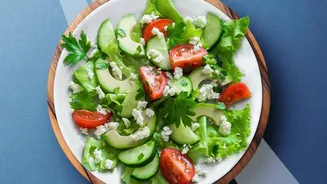
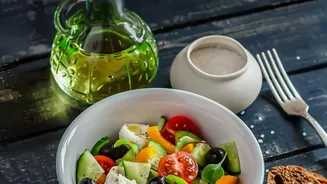
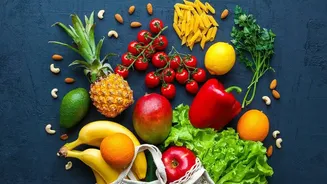
Contrary to popular belief, the Mediterranean diet isn’t built on fish, but on plants. Its foundation is an abundance of vegetables, fruits, whole grains, nuts, and legumes. Think of it as a plant-forward way of eating, not a strict set of rules. The
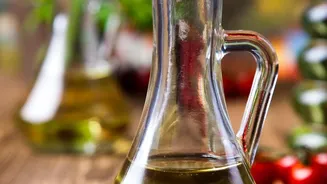
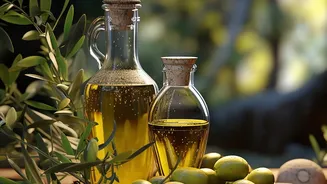
primary source of fat is extra virgin olive oil, used generously on everything from salads to cooked dishes. Daily meals are centered around these minimally processed, plant-based foods, which provide the bulk of the nutrients, fibre, and flavour that make this eating pattern so beneficial. The focus is on overall eating habits rather than obsessing over single ingredients or complex calculations.
Fish: A Guideline, Not a Rule
So where does fish fit in? Health authorities like the Mayo Clinic and Harvard Health suggest that fish is consumed weekly, not daily. The general recommendation is to aim for about two to three servings of fish per week, with an emphasis on fatty fish rich in omega-3s like salmon, sardines, and mackerel. This moderate consumption is associated with significant health benefits, including a reduced risk of heart disease. However, it's important to view this as a guideline. The diet is adaptable, and if you don't eat fish due to preference, allergy, or availability, you can absolutely still follow the Mediterranean principles successfully.
Powerful Plant-Based Proteins
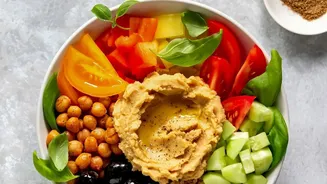
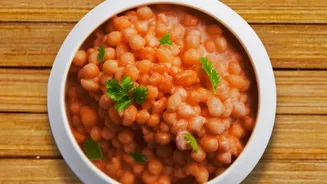
The true protein powerhouses of the Mediterranean are often found in the garden, not the sea. Legumes are the unsung heroes of this diet. Lentils, chickpeas, fava beans, and other white beans are staples used in everything from hearty stews to fresh salads. These foods are not just side dishes; they are often the main event in traditional Mediterranean kitchens. A single cup of cooked lentils or beans can provide a significant amount of protein, around 15-18 grams, along with essential nutrients like iron and fibre. Combining legumes with whole grains like farro, barley, or brown rice can create a complete protein, delivering all the essential amino acids your body needs.
Exploring Other Protein Sources
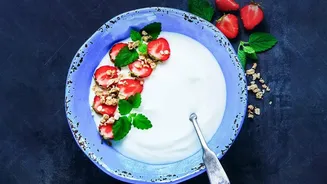
Beyond plants, the Mediterranean diet includes other animal proteins in moderation. Poultry, such as chicken or turkey, is typically eaten a few times a week—often in place of red meat. Dairy, primarily in the form of yogurt and cheese, is also a common feature, usually consumed in low to moderate amounts daily. Eggs are another excellent source of protein that fits well within the diet's framework. The key is moderation and balance. Red and processed meats are limited, reserved for infrequent occasions rather than being a regular part of the menu.
Building a Fish-Free Mediterranean Plate
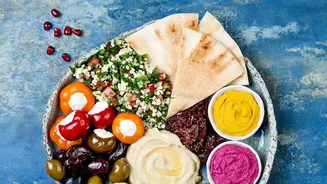
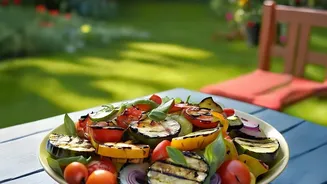
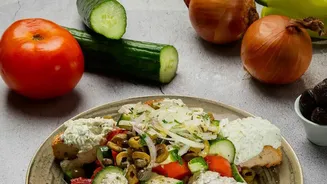
Creating satisfying, fish-free Mediterranean meals is simple and delicious. For lunch, you could have a large salad topped with chickpeas, fresh vegetables, and a tahini-based dressing. Another option is a bowl of lentil soup served with a slice of whole-grain bread for dipping. For dinner, consider pasta e fagioli (a classic Italian pasta and bean soup) or giant beans baked in a savory tomato sauce. You can also build protein bowls with a base of farro or quinoa, layered with roasted vegetables and a generous serving of hummus. By focusing on legumes, whole grains, and a wide variety of vegetables, you can enjoy all the benefits of this eating style, no fish required.