





The Hidden Risk in Your Kitchen
We trust packaging to keep our food safe from dirt and germs. However, a less visible threat is the migration of chemicals from the packaging material into the food itself. This process, known as leaching, can happen with many types of containers, from plastic
boxes to the inner lining of cans. The transfer is often accelerated by factors like heat (such as microwaving), prolonged storage, and the food's own properties, like its acidity or fat content. This means that storing a hot, oily curry in the wrong plastic container could increase the chances of unwanted chemicals mixing with your meal.
Key Chemicals of Concern
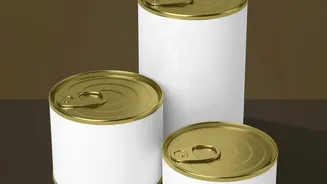
Several types of chemicals found in food packaging are cause for concern due to their potential health effects. Three of the most common culprits are Bisphenol A (BPA), Phthalates, and PFAS. BPA is often used in hard polycarbonate plastics and the resin linings of metal cans. Phthalates are used to make plastics like PVC more flexible and can be found in food wraps. PFAS, often called "forever chemicals" for their persistence, are used to make paper and cardboard resistant to grease and water, which is why they appear in items like fast-food wrappers and pizza boxes. Studies have linked these chemicals to a range of health problems, including hormone disruption, reproductive issues, and an increased risk of certain cancers.
India's Regulatory Shield
In India, the Food Safety and Standards Authority of India (FSSAI) sets the rules for food packaging. The core principle of these regulations is that any material in direct contact with food must be of food-grade quality and should not transfer any harmful substances. The FSSAI specifies which materials, such as certain types of plastic, glass, and metal, are permitted. There are also strict rules against using materials like newspaper for wrapping food. In a significant move aligning with global trends, the FSSAI has recently proposed banning PFAS and BPA in food contact materials, signalling a stronger stance on protecting consumers.
Smarter Choices for Safer Meals
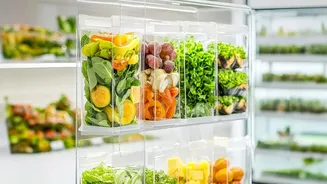
While regulators work to improve standards, consumers can take immediate steps to reduce their exposure. One of the simplest is to favour safer materials for food storage, such as glass, stainless steel, or bamboo. When using plastic, check for a "food-grade" symbol and avoid heating food in plastic containers, even if they are labelled "microwave safe," as this label often refers to the container's durability, not your health. Transferring food to a ceramic or glass dish before heating is a much safer practice. Opting for fresh or frozen foods over canned goods can reduce BPA exposure, and cooking more at home helps control the packaging your food comes into contact with. Finally, avoid using damaged or old plastic containers, which are more likely to leach chemicals.