

The Two Lifelines: Hormuz and Malacca
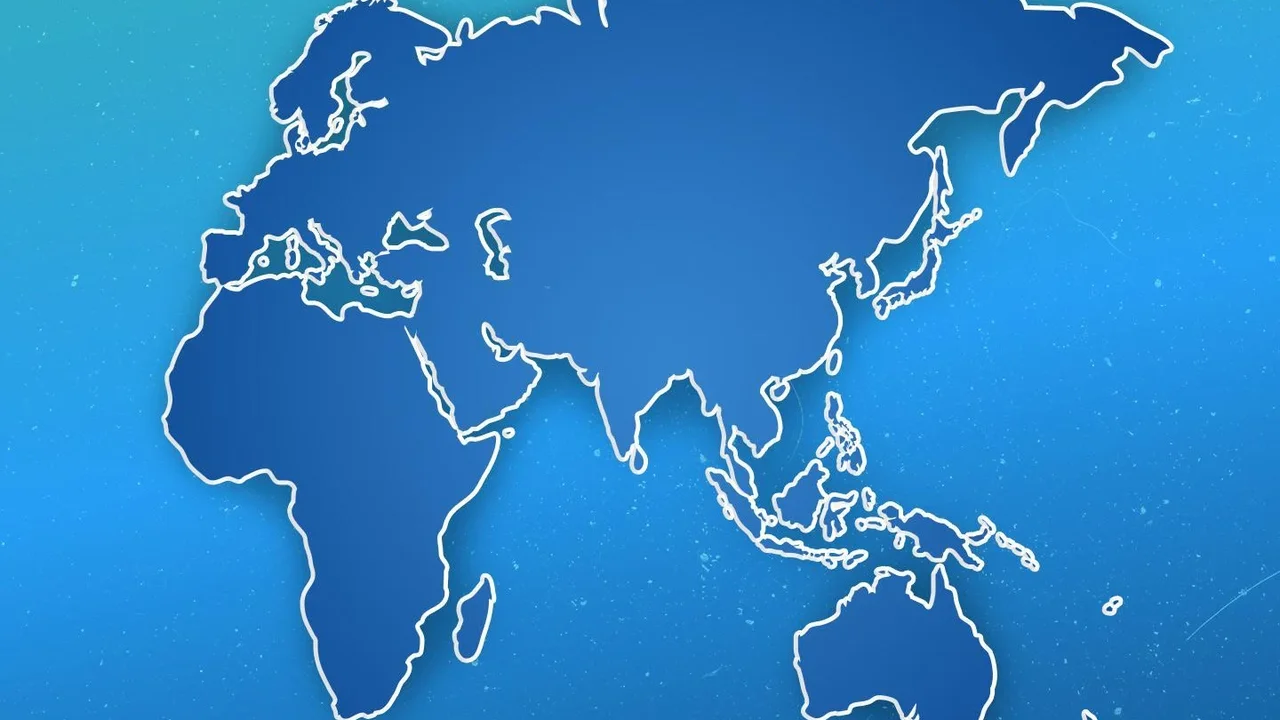
India's energy supply chain is critically dependent on a few narrow maritime passages known as chokepoints. The two most important are the Strait of Hormuz and the Strait of Malacca. The Strait of Hormuz, connecting the Persian Gulf to the Arabian Sea,
is the world's single most important oil artery. A substantial portion of India's energy passes through this narrow channel; estimates suggest around 40-50% of its crude oil and over 50% of its liquefied natural gas (LNG) imports transit Hormuz. This makes India highly susceptible to any volatility in the Persian Gulf. The Strait of Malacca, linking the Indian and Pacific Oceans, is India’s primary trade artery to Southeast Asia and beyond. While less critical for energy imports than Hormuz, over a third of India's total global trade passes through it. Any disruption here would severely impact supply chains for countless goods. In essence, Hormuz is India's energy lifeline, while Malacca is its trade artery.
The Current Development: A Crisis on Two Fronts
The 'current development' is not a single event but a perfect storm of geopolitical instability affecting key transit routes simultaneously. Recent years have seen escalating tensions in the Persian Gulf, leading to a de facto blockade and disruptions in the Strait of Hormuz. This directly threatens India’s core energy supplies from producers like Iraq, Saudi Arabia, and Qatar. At the same time, attacks by Houthi rebels in the Red Sea have made the Bab el-Mandeb Strait, a chokepoint leading to the Suez Canal, a high-risk zone. This route is crucial for trade with Europe and for Russian crude oil heading to India, which became a more significant source after the Hormuz disruptions. The result is a dual crisis: the primary energy route through Hormuz is compromised, and a key alternative and trade route via the Red Sea is also under threat. This simultaneous pressure is unprecedented, forcing India to manage risks on two strategic fronts.
The Economic Ripple Effect
Disruptions at these chokepoints have immediate and severe economic consequences for India. The most direct impact is on cost. Rerouting ships around Africa to bypass the Red Sea adds thousands of nautical miles and 10-15 days to voyages, significantly increasing fuel and freight costs. These higher costs are compounded by soaring insurance premiums for vessels transiting high-risk areas. For India, which imports over 85% of its crude oil, these price shocks translate directly into a higher import bill, straining the nation's finances and potentially leading to inflation. The impact extends to household essentials, as nearly 90% of India's imported LPG—used by over 330 million households—traditionally passes through the Strait of Hormuz. Any sustained disruption threatens not just prices but the physical availability of fuel, impacting everything from transport to fertilizer production and power generation.
India's Strategic Response
In response to this dual threat, India has adopted a multi-pronged strategy focused on mitigation and long-term resilience. In the immediate term, the Indian Navy has enhanced its presence in the Indian Ocean Region, deploying warships to provide security for commercial shipping. Diplomatically, India maintains balanced relationships with all major powers in West Asia to ensure safe passage for its vessels. The most significant shift has been in sourcing. India has actively diversified its energy suppliers, with the number of countries it sources crude oil from expanding from 27 to 41 and its LNG sources growing from six to 15. This has involved increasing imports from Russia and West Africa to bypass Hormuz. To cushion against supply shocks, India is also working to expand its Strategic Petroleum Reserves. Looking ahead, long-term projects like the India-Middle East-Europe Economic Corridor (IMEC) are seen as crucial to developing alternative, land-based trade routes, though they face their own geopolitical hurdles.