






The Root of Stability: Tai Chi’s Approach
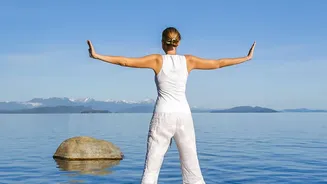
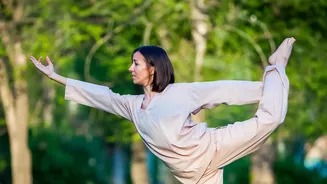
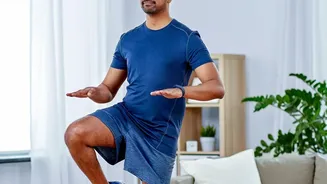
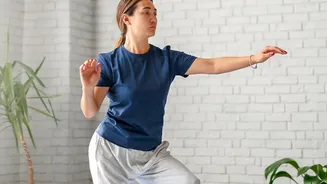
Tai Chi is often called ‘meditation in motion,’ but it is also a masterclass in balance. The practice is built on slow, deliberate movements that train the body to maintain its center of gravity. Practitioners learn to 'root' themselves, creating a stable
connection to the ground as if they were a tree. This involves an acute awareness of weight distribution, shifting from one foot to the other with immense control. This slow-motion training does more than just build leg strength; it enhances proprioception, which is your body's ability to sense its position in space. By improving the mind-body connection, Tai Chi helps you anticipate and correct for small stumbles before they become falls, teaching your body to maintain its central equilibrium in a relaxed, fluid manner.
Navigating the Flow: Kayaking’s Demands
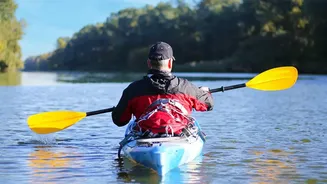
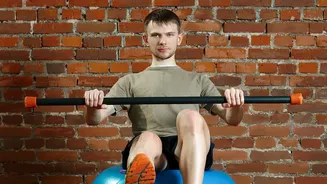
Kayaking, in contrast, requires dynamic balance. You are not on a stable surface but a constantly shifting one. Staying upright in a kayak isn't about being rigid; it’s about being fluid. Expert kayakers advise keeping your hips loose and letting the boat rock beneath you, while your upper body remains stable and centered. This demands continuous engagement from your core muscles to control the boat and maintain balance. The power in your paddle stroke comes from the rotation of your torso, not just your arms. This means your hips, obliques, and lower back are constantly working to stabilize you against the force of your paddle and the movement of the water. It’s a reactive skill, forcing you to make instant, subtle adjustments to stay afloat.
Bridging Land and Water: The Synergy
Herein lies the surprising synergy. The foundational skills built through Tai Chi are directly transferable to the dynamic environment of a kayak. The deep body awareness (proprioception) honed through slow, mindful movements in Tai Chi allows a kayaker to feel and react to the boat's motion more intuitively. A 2025 trial even found that kayakers who trained on unstable surfaces to improve balance saw greater gains in paddling power, highlighting the importance of this skill. The calm focus cultivated in Tai Chi can also help a paddler remain relaxed and avoid tensing up in choppy water—a common mistake that often leads to capsizing. The principles of maintaining a centered upper body while the lower body adapts are central to both disciplines. In essence, Tai Chi builds the internal software for balance, which kayaking then puts to the ultimate real-world test.
Choosing Your Path to Poise
So, which activity is right for you? If you are seeking a low-impact, meditative exercise that reduces stress and builds a deep, internal sense of stability and body awareness, Tai Chi is an excellent choice. It is particularly beneficial for improving posture and preventing falls, making it a valuable practice at any age. If you crave adventure, a powerful core workout, and the thrill of navigating natural environments, kayaking will be more your speed. It builds functional strength in the upper body and core while offering an unparalleled connection to the outdoors. However, the two are not mutually exclusive. They are complementary. Engaging in Tai Chi can make you a better, more confident kayaker, while the challenges of kayaking can give new purpose to the mindful balance practiced on land.