




The Humble Powerhouse: What is Makhana?
Makhana, also known as phool makhana, fox nuts, or lotus seeds, are the puffed seeds of the Euryale ferox plant. These lightweight, white pops have been a staple in Indian households for centuries, revered not just for their delightful crunch but also for their place
in traditional medicine and 'sattvic' food culture. Unlike many processed snacks, makhana is harvested from wetlands and is naturally organic, as its cultivation typically involves no pesticides. Its most significant characteristic is its neutral taste, a blank canvas that readily absorbs the flavours of spices, herbs, or sweeteners, making it an incredibly versatile ingredient in the kitchen.
A Fasting Superfood
During fasts like Navratri, Ekadashi, or Shravan, when grains and certain other foods are avoided, makhana emerges as a hero ingredient. It is considered a 'phalahar' food, permissible during most Hindu fasts. Nutritionally, it's a star performer. Makhana is low in calories and fat but rich in protein, fibre, and essential minerals like magnesium, potassium, and calcium. This combination provides sustained energy release, helping to keep hunger pangs at bay during long fasting hours without leaving you feeling heavy or lethargic. Its gluten-free nature also makes it an excellent choice for those with sensitivities.
Embracing Savoury Simplicity
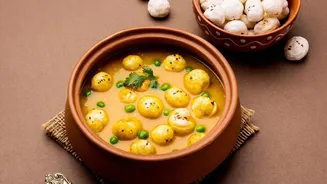
The easiest and most popular way to enjoy makhana is by roasting it. A simple dry roast or a light toss in a spoonful of ghee transforms the spongy seeds into a crispy, addictive snack. From there, the possibilities are endless. For a classic 'vrat-friendly' namkeen, toss the hot, roasted makhana with sendha namak (rock salt) and a pinch of black pepper. You can also create a more elaborate mix by adding roasted peanuts, curry leaves, and sliced dry coconut. For a more substantial dish, try making a Makhana Bhel by mixing roasted makhana with boiled potatoes, chopped tomatoes, green chillies, and a squeeze of lemon juice. Some even add makhana to fasting curries, where they soften slightly and absorb the flavours of a tomato or yogurt-based gravy.
Indulging in Sweet Treats
Makhana's ability to shine isn't limited to savoury dishes. For those with a sweet tooth, it offers a world of decadent yet permissible desserts. The most iconic sweet preparation is Makhana Kheer, a creamy pudding where roasted makhana is simmered in milk until it softens, creating a rich texture. The kheer is typically flavoured with cardamom, saffron, and garnished with nuts. Another simple yet elegant option is Caramel Makhana. Roasted makhana is coated in a simple syrup made from sugar or jaggery, creating a crunchy, sweet shell that’s impossible to resist. You can also grind roasted makhana into a powder to make ladoos, often mixed with grated coconut, ghee, and dried fruits for a bite-sized energy boost.
Creative Culinary Twists
Beyond the usual snacks and desserts, makhana can be used in even more innovative ways. Coarsely ground roasted makhana, when mixed with mashed potatoes and spices, forms an excellent binder for Aloo Tikki or cutlets, which can then be shallow-fried. For a cooling side dish, slightly crushed roasted makhana can be added to whisked yogurt along with roasted cumin powder to make a refreshing Makhana Raita. Some even use powdered makhana to create a fasting-friendly halwa, cooked with ghee, milk, and sugar until it reaches a thick, glossy consistency. This versatility ensures that your fasting menu never feels monotonous.