




First, A Quick Note on Fat
Fat is a crucial nutrient that provides energy and helps your body absorb vitamins. The focus here is on reducing saturated fat, which is typically solid at room temperature and found in foods like fatty meats, butter, and full-fat dairy. Eating too much
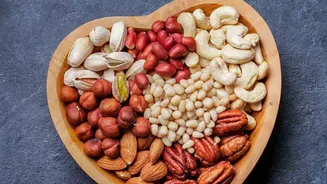
saturated fat can raise LDL (bad) cholesterol levels, which increases the risk for heart disease. The American Heart Association recommends that saturated fat should make up less than 6% of your total daily calories. By making smart swaps, you can replace some of that with healthier unsaturated fats found in foods like avocados, nuts, and olive oil, which can help lower your risk.
Reimagining the Pasta Plate
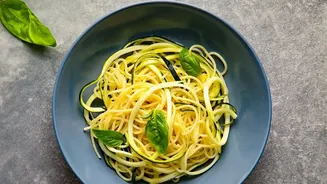
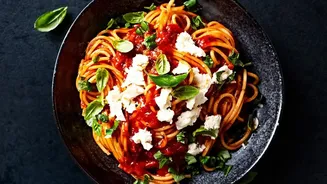
Forget heavy, cream-laden sauces and mountains of cheese. A satisfying summer pasta is all about fresh, vibrant ingredients. Start by choosing whole-wheat pasta for an extra dose of fiber. Instead of a sauce built on butter and cream, opt for a tomato-based sauce roasted with garlic and herbs. Alternatively, a light pesto made with basil, garlic, a little parmesan, and olive oil can be a flavorful choice. To make a creamy sauce without the heavy cream, try blending low-fat cottage cheese or using light cream cheese with some of the starchy pasta water. Bulk up your dish with plenty of vegetables like cherry tomatoes, zucchini, spinach, or kale. For protein, add grilled chicken breast, shrimp, or plant-based options like chickpeas or cannellini beans.
Taco Night, Made Lighter
Tacos are wonderfully adaptable and easy to make healthier. Instead of high-fat ground beef, choose lean ground beef (90% lean or higher), ground chicken or turkey. Better yet, try grilled fish or shrimp for a lighter feel. For a plant-based version, seasoned black beans or lentils are a fantastic, fiber-rich filling. Ditch hard taco shells, which are often fried, in favor of soft corn or whole-wheat tortillas; warming them in a dry pan or over a flame adds great flavor. The real magic happens with the toppings. Swap high-fat sour cream and excessive cheese for healthier alternatives. A dollop of plain Greek yogurt provides the same tangy creaminess with more protein. Fresh salsa, pico de gallo, shredded cabbage, and pickled red onions add crunch and flavor with virtually no fat. And for a creamy, heart-healthy fat, sliced or mashed avocado is the perfect finishing touch.
The Art of the Power Bowl
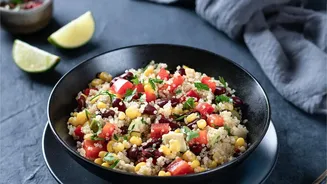
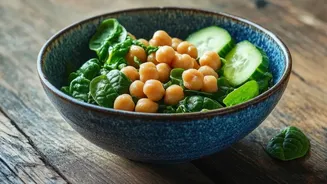
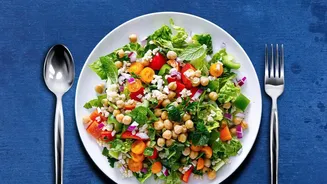
Grain bowls are the ultimate customizable meal. The key to a balanced, lower-fat bowl is a formula: base + protein + veggies + healthy fat + flavor. Start with a base of a whole grain like quinoa, brown rice, or farro. Next, layer on a lean protein, such as grilled chicken, tofu, or edamame. Then, load up on vegetables — the more, the better. A mix of textures works well, like leafy greens, crunchy raw carrots or cucumbers, and tender roasted broccoli or sweet potatoes. For your healthy fat component, think a quarter of an avocado, or a small sprinkle of nuts or seeds like almonds or pumpkin seeds. Finally, tie it all together with a flavorful, light dressing. A simple vinaigrette made with olive oil, lemon juice, and herbs works beautifully. A yogurt-based dressing with dill or a tahini sauce can also provide creaminess without heavy fat.