





Plan Your Success with Meal Prep
One of the most effective habits for healthier eating is planning your meals in advance. Meal prepping—setting aside time to plan, shop for, and prepare meals for the week—removes the guesswork and stress from daily cooking. It puts you in control of the ingredients
and portion sizes, reducing the temptation to opt for less healthy takeout or processed foods after a long day. Start small by planning just a few dinners for the week or preparing grab-and-go lunches. Having healthy components ready, like chopped vegetables or cooked grains, can save significant time and make assembling a balanced meal much easier.
Embrace Healthier Cooking Methods
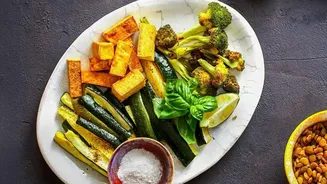
How you cook your food is just as important as what you cook. Frying foods in oil can add significant fat and calories. Instead, explore cooking methods that preserve nutrients and flavour without excess fat. Steaming is excellent for vegetables as it retains more vitamins and minerals compared to boiling. Baking, roasting, and grilling are also fantastic alternatives that require minimal oil. An air fryer can give you the crispy texture you love with a fraction of the oil, making it a game-changing appliance for healthier versions of your favourite fried foods.
Fill Half Your Plate with Colour
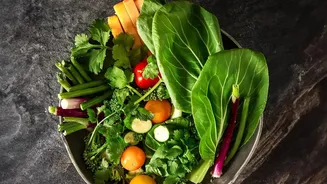
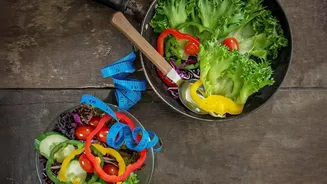
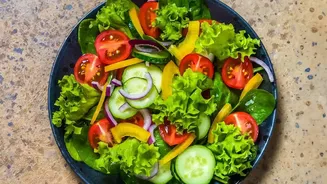
A simple visual rule for building a balanced meal is the plate method. Aim to fill half of your plate with fruits and vegetables at every meal. These foods are packed with essential vitamins, minerals, and fibre, which help you feel full and support overall health. The remaining half of your plate should be divided between lean protein (like chicken, fish, or beans) and high-fibre carbohydrates (such as brown rice, quinoa, or whole-wheat pasta). This approach ensures you get a good mix of macronutrients without needing to count calories meticulously.
Be Smart About Salt and Sugar
Many packaged foods and restaurant meals contain high levels of hidden sodium and sugar. Cooking at home gives you the power to control how much you add. Instead of relying on salt for flavour, experiment with fresh herbs and spices. Citrus juices and vinegar can also add a bright, zesty kick to dishes. When it comes to sugar, try reducing the amount called for in recipes by one-third—you often won't notice the difference. Using fruit purees or spices like cinnamon can add natural sweetness to desserts and breakfasts without relying on added sugar.
Practice Mindful Portions
In an era of oversized servings, becoming mindful of portion sizes is a crucial habit for balanced eating. Research shows that using smaller plates can help you eat less without feeling deprived. Another key is to slow down and eat without distractions. It takes about 20 minutes for your brain to register that your stomach is full. By eating slowly, putting your fork down between bites, and savouring your food, you give your body time to send fullness signals, which helps prevent overeating.
Upgrade Your Fats
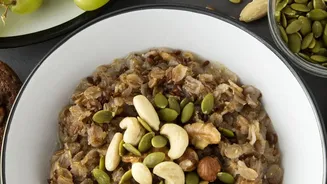
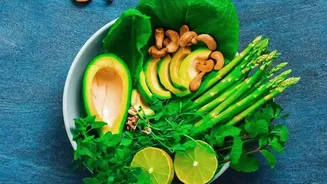
Fat is an essential nutrient, but the type of fat matters. Shift your cooking away from saturated and trans fats found in butter, lard, and many processed items. Instead, incorporate healthy unsaturated fats from sources like olive oil, avocados, nuts, and seeds. These fats are beneficial for heart health and can make meals more satisfying. A simple swap is using olive oil for cooking instead of butter or adding a slice of avocado to your toast or salad.