






A Tale of Two Futures
A recent report from the UN Environment Programme (UNEP) and the Climate and Clean Air Coalition (CCAC) presents a clear crossroads for Delhi. Titled 'Hidden Assets: The Economic and Health Case for Climate and Clean Air Action', the report doesn't just
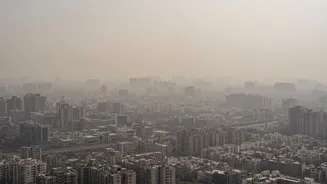
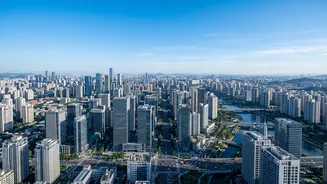
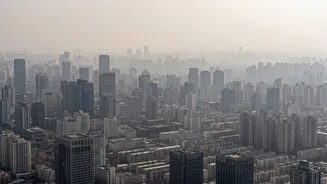
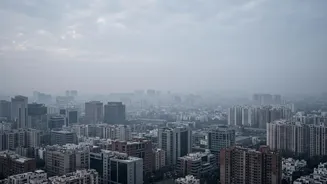
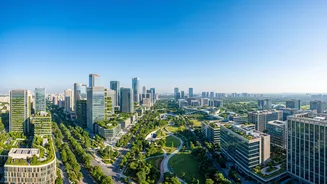
rehash old warnings; it quantifies the city's future. The core message is one of urgency and opportunity. If Delhi meets its national air quality standards on schedule, starting from 2026, it could slash the public's exposure to harmful PM2.5 particles by 20% by the year 2040. However, the report delivers a stern warning: an eight-year delay in implementation—a timeline mirroring the expected global average—would cut that achievement in half, resulting in only a 10% reduction and far greater health consequences for residents.
The Daily Cost to Your Health
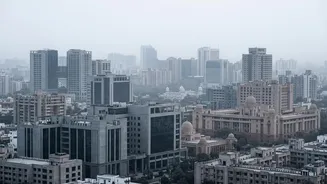
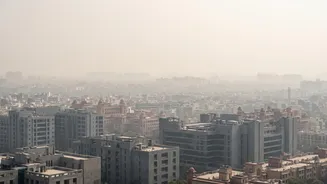
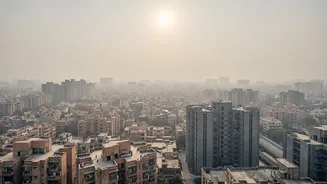
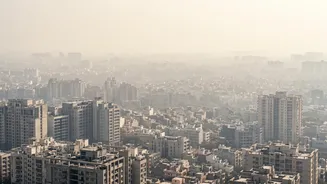
The term 'PM2.5' might seem technical, but its effects are deeply personal. These are microscopic, toxic particles that can bypass the body's defenses, lodging deep in the lungs and even entering the bloodstream. Air pollution is linked to a devastating range of health issues, including respiratory diseases, heart attacks, strokes, and asthma. Studies have estimated that air pollution contributes to over two million premature deaths in India annually. For Delhi's residents, the danger is constant. During peak pollution seasons, breathing the city's air can be equivalent to smoking several cigarettes a day. The UN report's findings underscore a grim reality: continued delays in cleaning the air translate directly into more hospital visits, more chronic illnesses, and a lower quality of life for millions, with children and the elderly being disproportionately affected.
An Economy Choking on Smog
The impact of toxic air extends far beyond the hospital. It casts a long shadow over the economy. The UN report highlights that for every dollar invested in tackling climate change and air pollution together, there could be a return of around $15 in economic benefits. Conversely, inaction comes with a hefty price tag. For India, the economic cost of lost output from premature deaths and sickness due to air pollution is immense, previously estimated at $95 billion annually. This loss is felt through lower worker productivity, higher rates of absenteeism, and increased healthcare spending that burdens both families and the state. Delhi, as one of the most affected cities, bears the highest per-capita economic loss in the country from air pollution. A cleaner city isn't just a healthier city; it's a more prosperous one.
A Blueprint for Action
The situation is dire, but the UNEP report stresses it is not hopeless. It identifies 25 concrete solutions that can tackle both air pollution and climate change simultaneously. These aren't futuristic fantasies but largely available measures. The list includes accelerating the transition to renewable energy, improving energy efficiency in homes and industries, scaling up the use of clean cooking and heating technologies, and enforcing stricter standards for vehicle and industrial emissions. It also calls for better agricultural practices to manage crop residue and prevent stubble burning—a major contributor to Delhi's winter smog. The report's key insight is that institutional barriers are the single biggest cause of delay. Overcoming these hurdles to implement known solutions is the most critical step forward.