



With the US midterm elections handing control of Congress to the Democrats, a new chapter of uncertainty begins for India-US trade relations. The question for New Delhi is what this political shift means for a long-awaited trade deal.
The State of Play Before the Polls
The economic relationship
between India and the United States has been a mix of strategic alignment and persistent friction. The US remains India’s largest trading partner, with Indian exports to the US growing over 11% to $50.81 billion in the first half of the 2026-27 fiscal year. However, the path has been rocky. In February 2026, the two nations announced a framework for an interim trade agreement. This framework proposed that the US would lower its reciprocal tariffs on many Indian goods to 18%, down from higher punitive levels, while India would reduce its own duties on various American agricultural and industrial products. This was coupled with an understanding that India intended to purchase $500 billion in US goods over five years. Yet, this framework was never formally signed or implemented. A subsequent US Supreme Court ruling invalidated the legal basis for the reciprocal tariff regime, leading the White House to impose a new 10% duty on most Indian goods under a different authority, Section 301, since July 2026.
A Democratic Congress Changes the Game
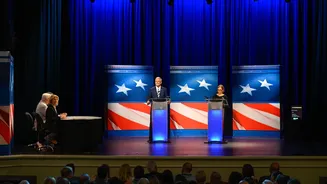
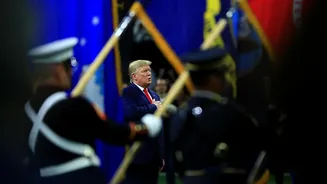
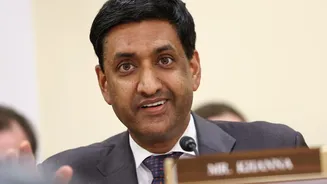
The November 2026 midterm elections resulted in a significant power shift, with the Democratic Party winning control of both the House of Representatives and the Senate. This outcome is seen as a rebuke of President Donald Trump's policies, fueled by voter concerns over the cost of living and foreign policy. For India, this creates a complex new dynamic. On one hand, a Democrat-controlled Congress is expected to increase scrutiny of the President's unilateral tariff policies. This could provide India with more negotiating leverage and breathing room, potentially pushing back against a one-sided deal. On the other hand, a politically wounded President may be more eager to secure a quick foreign policy win, potentially increasing pressure on New Delhi to finalize a deal on his terms.
Key Areas of Negotiation and Contention
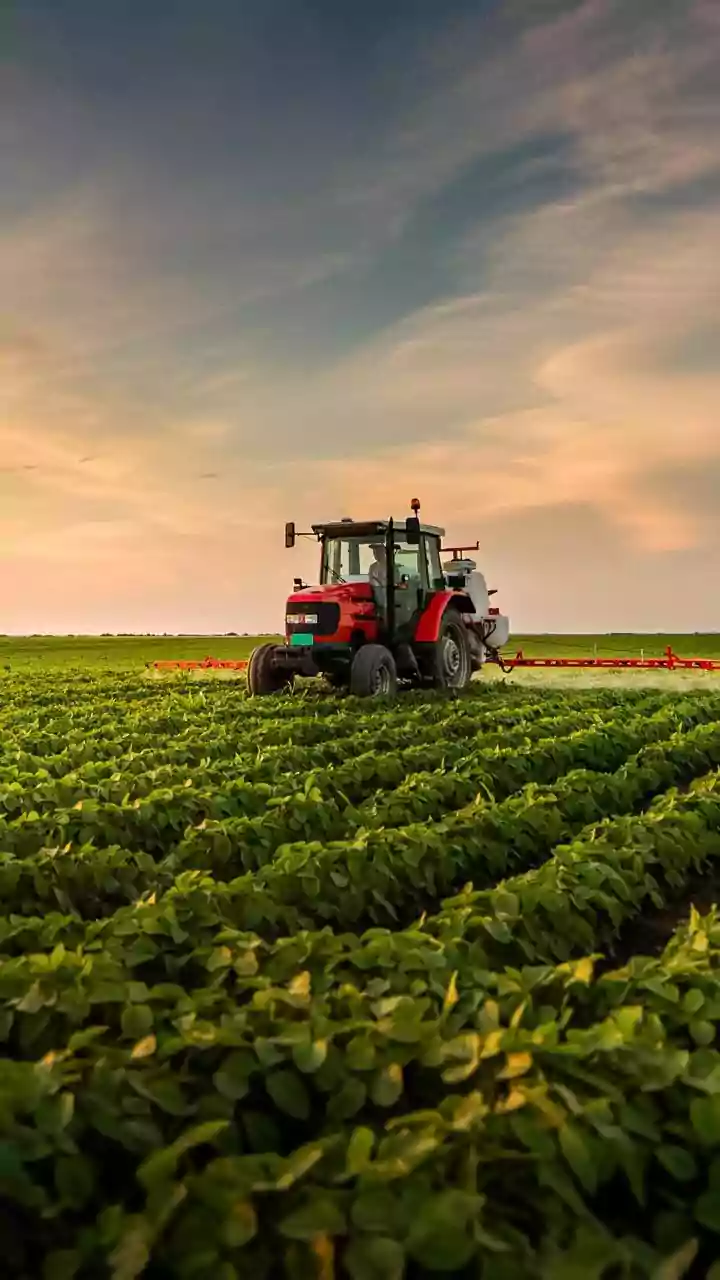
Despite the change in Congress, the core issues dividing negotiators remain. Key sticking points include market access for US agricultural products in India, which faces strong domestic opposition from farm groups. Other persistent issues are intellectual property rights protection, regulatory predictability, and digital trade rules. While the interim trade agreement does not require formal Congressional ratification, the new legislative landscape means any deal will face tougher oversight. Experts believe Democrats may challenge Trump's use of executive powers to impose tariffs, but they also note that economic nationalism and protecting American jobs have bipartisan support. Therefore, Indian exporters should not expect an automatic rollback of tariffs.
The Geopolitical Overhang: China and Russia
The broader geopolitical context continues to heavily influence the economic relationship. A shared strategic concern about China's influence in the Indo-Pacific provides a strong foundation for the US-India partnership, enjoying bipartisan support in Washington. This strategic alignment often helps smooth over trade frictions. However, India's energy relationship with Russia remains a point of tension. The US passed a law in September 2026 allowing for sanctions on major buyers of Russian oil, and while President Trump issued a waiver in October, the threat remains a tool of leverage. The new Congress may lead to more debate on these sanctions, but the underlying differences are unlikely to disappear.
Outlook for Indian Businesses
For Indian businesses, the midterm results translate to continued uncertainty. While a Democratic Congress might lead to a more predictable, process-driven approach to trade policy in the long run, the immediate future is murky. The pressure on the Trump administration to secure a 'win' could accelerate talks, but also lead to tougher demands. Indian negotiators must now navigate a delicate path, managing renewed US pressure while leveraging the new political reality to safeguard India's economic interests. The consensus among analysts is that while the power dynamics in Washington have shifted, the fundamental challenges and opportunities in the India-US trade relationship persist.