



The Great Indian Vegetarian Paradox
For generations, an Indian vegetarian diet has been celebrated for its health benefits. Rich in vegetables, lentils, and legumes, it is traditionally packed with fibre and nutrients. However, modern lifestyles have subtly changed what's on our plate.
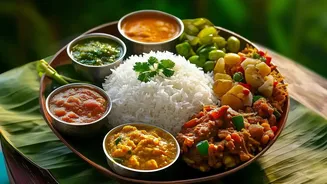
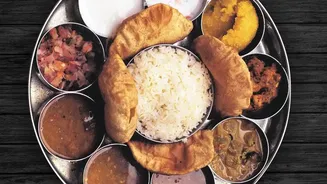
This has led to what some experts call the 'Indian vegetarian paradox': a diet that seems healthy on the surface but may contribute to a rising tide of metabolic diseases, including type 2 diabetes. The issue isn't vegetarianism itself, but the growing reliance on high-carbohydrate meals with insufficient protein and fibre. A typical meal might consist of a large portion of rice or several rotis with a small serving of dal and vegetables, creating a significant carbohydrate load that, over time, can strain the body's ability to manage blood sugar.
The White Culprits: Maida and Polished Rice
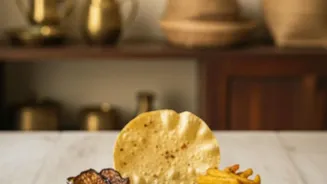
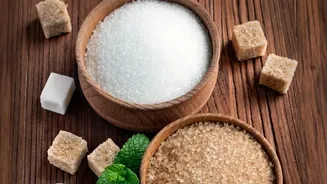
At the heart of this issue are two ubiquitous ingredients: maida (refined wheat flour) and polished white rice. These are 'low-quality' carbohydrates because the refining process strips the grain of its bran and germ. This removes most of the fibre, vitamins, and minerals, leaving behind a starchy endosperm that the body digests very quickly. Maida is the base for countless popular foods, from naan and bhatura to biscuits, pastries, and packaged snacks. Polished white rice is a daily staple in millions of households, particularly in the South and East of India. While these foods are filling and palatable, their nutritional emptiness and effect on blood sugar are a major cause for concern.
Understanding the Glycemic Spike
The key to understanding the risk lies in the glycemic index (GI), a measure of how quickly a food raises blood sugar levels. Foods with a high GI, like maida and most white rice varieties, are broken down rapidly into glucose. This causes a sharp, sudden spike in blood sugar, forcing the pancreas to work overtime to produce insulin. Over years of repeated spikes, the body's cells can become resistant to insulin's effects, a condition known as insulin resistance, which is a precursor to type 2 diabetes. White rice can have a GI as high as 89, while maida-based products are also in the high range. This constant metabolic stress is a primary driver behind India's diabetes epidemic.
Beyond Blood Sugar: The Protein Deficit
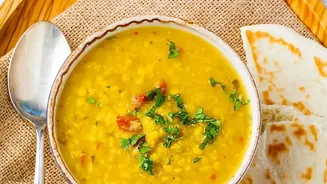
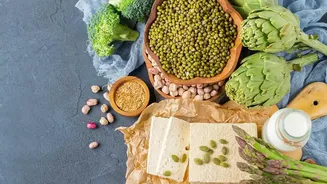
Recent major studies, including the ICMR-INDIAB survey, have highlighted that Indian diets are not only high in carbohydrates but also critically low in protein. On average, carbohydrates make up over 62% of daily calories for Indians, while protein intake is often suboptimal. Protein is crucial for satiety (feeling full), muscle health, and stabilising blood sugar release after a meal. When a meal lacks adequate protein, it's less satiating, leading to overconsumption of carbohydrates and unhealthy snacking. Research shows that replacing just 5% of carbohydrate calories with calories from protein (especially from dairy or plant sources like dal and legumes) can significantly lower the risk of developing diabetes.
Smart Swaps for a Healthier Thali
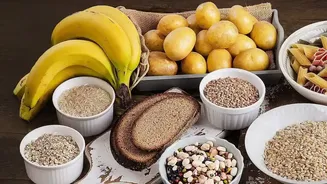
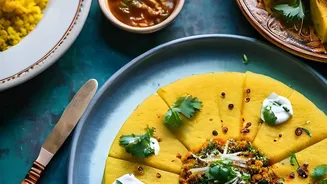
The good news is that making healthier choices within an Indian diet is entirely possible. The goal is not to eliminate carbohydrates but to choose better quality ones and balance the plate. Instead of polished white rice, opt for varieties with a lower GI like brown rice, red rice, or parboiled rice. Even better, incorporate millets like ragi (finger millet), jowar (sorghum), and bajra (pearl millet) into your meals. These are packed with fibre and nutrients. Replace maida with whole wheat flour (atta), but also explore other flours like besan (chickpea flour), ragi flour, and jowar flour for making rotis, cheelas, and other dishes. These swaps slow down sugar absorption and provide sustained energy.
Rebuilding Your Plate for a Better Balance
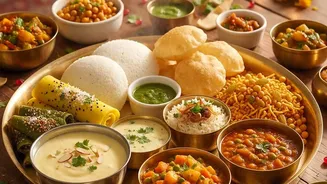
A simple and effective strategy is the 'Healthy Plate Method'. Imagine your plate divided into three sections. Fill half of it with non-starchy vegetables like spinach, gourds, beans, and cauliflower. These are low in calories and high in fibre. Fill one quarter with a good source of protein—think dal, chickpeas, rajma, paneer, or curd. The final quarter is for your complex carbohydrate, such as a small portion of millet or brown rice, or one or two whole-grain rotis. This approach ensures a balanced intake of macronutrients at every meal, helping to keep blood sugar levels stable, improve satiety, and reduce the overall risk of metabolic disease.