




Understanding the Price Pinch
Recent data confirms what many Indian families are experiencing: the cost of food is climbing. The Consumer Food Price Index (CFPI) for June 2026 showed a year-on-year inflation rate of 5.32%. This increase is driven by several factors, including rising
prices for essential items like vegetables, cereals, and pulses. Vegetables, in particular, have seen sharp price accelerations, putting pressure on daily meal costs. Since food accounts for a significant portion of the average household's spending, even small price hikes can have a major impact. This makes finding savvy ways to shop and cook more important than ever.
Swap This: The Costly Tomato
Tomatoes are a cornerstone of Indian cooking, but their prices can be notoriously volatile, sometimes surging dramatically. When fresh tomatoes become too expensive, don't sacrifice the tangy base of your favourite curries. Canned tomato puree or paste offers a stable, long-lasting, and often cheaper alternative for gravies. For dishes that need a sour kick without the tomato flavour, consider traditional souring agents like tamarind paste (imli), dried mango powder (amchur), or even plain curd or yogurt. These ingredients can provide the necessary acidity and depth, ensuring your dals and sabzis remain delicious.
For That: Affordable Alternatives
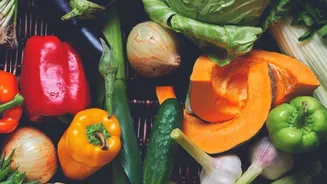
Beyond tomatoes, other staples also have budget-friendly stand-ins. When onion prices soar, spring onions can be a great substitute, offering a milder but similar flavour profile in stir-fries and as a garnish. For gravies, a smaller amount of onion paste can be used, or you can rely on other aromatics like ginger and garlic to build flavour. Instead of always reaching for potatoes, consider other root vegetables or hardy produce. Sweet potatoes, pumpkin, and even raw bananas can be used in many of the same preparations, from dry sabzis to curries. They not only bring a different nutritional profile but are often more affordable, especially when in season.
Rethinking Your Greens
Leafy greens are vital for a healthy diet, but popular choices aren't always the most economical. Instead of buying expensive spinach or fenugreek (methi) out of season, explore local and seasonal alternatives. Amaranth leaves (chaulai), radish greens (mooli ke patte), and colocasia leaves (arbi ke patte) are highly nutritious and often available at a fraction of the cost from your local sabziwala. These greens can be used in dals, stir-fries, and bhurjis, just like their pricier counterparts. Embracing these local varieties is not only good for your budget but also supports local agriculture and adds diversity to your diet.
Embrace Gourds, Beans, and Pulses
Often overlooked, gourds like bottle gourd (lauki), ridge gourd (turai), and pumpkins (kaddu) are some of the most budget-friendly vegetables available. They are incredibly versatile, absorbing the flavours of spices beautifully, making them perfect for everyday sabzis, curries, and even koftas. Similarly, incorporating a variety of beans and pulses is a classic strategy for stretching a food budget. They are an excellent source of protein and fibre and can be used to make hearty curries and one-pot meals like khichdi, reducing the need for large quantities of expensive vegetables.
More Ways to Save Your Money
Substitution is just one part of the strategy. To truly combat rising food costs, adopt smarter shopping habits. Always buy seasonal produce, as it is fresher, more flavourful, and significantly cheaper. Shopping at local mandis or directly from farmers can also help you bypass intermediary costs. Planning your meals for the week helps you create a precise shopping list, which prevents impulse buys and reduces food waste. Finally, learn proper storage techniques. Wrapping leafy greens in a cloth and storing root vegetables in a cool, dark place can extend their life, ensuring that you use everything you buy.