

The Anatomy of a Ticking Time Bomb
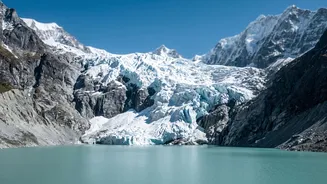
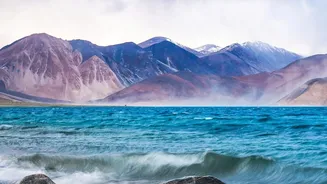
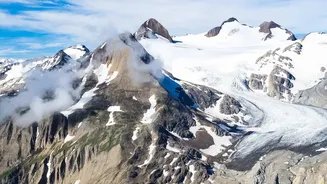
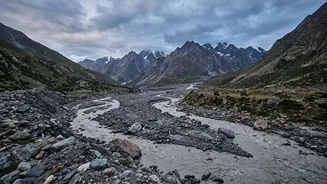
The primary danger is a phenomenon known as a Glacial Lake Outburst Flood, or GLOF. As glaciers retreat due to warming, they leave behind massive depressions that fill with meltwater. These newfound lakes are often held in place by nothing more than unstable
dams of loose rock and debris called moraines. As a lake grows, the pressure on its fragile moraine dam increases. A trigger event—such as a landslide, a large chunk of ice falling into the water, or even just the pressure of too much water—can cause the dam to fail suddenly. The result is a catastrophic flood, releasing an enormous volume of water, mud, and boulders that surges down narrow mountain valleys at incredible speeds, destroying everything in its path.
Echoes of Past Disasters
This is not a theoretical threat. India has witnessed several devastating GLOF-like events. In October 2023, the South Lhonak Lake in Sikkim breached, causing a flash flood down the Teesta river basin that destroyed dams and claimed lives. The 2021 Chamoli disaster in Uttarakhand, which killed over 200 people, was triggered by a massive rock and ice avalanche that cascaded into a river valley, showcasing the intertwined dangers of unstable slopes and water bodies. These events serve as grim reminders of the kinetic power locked in the high Himalayas and the vulnerability of the communities and critical infrastructure, like hydropower projects and roads, that lie downstream.
A Compounding Crisis: Thawing Permafrost
The risk isn't limited to the lakes themselves. The very slopes of the mountains are becoming more hazardous. Much of the high-altitude terrain is held together by permafrost—ground that has been frozen for years. As temperatures rise, this permafrost is beginning to thaw. This process weakens the structural integrity of entire mountainsides, making them more susceptible to landslides. A landslide can be a disaster on its own or it can become the trigger for a GLOF by crashing into a glacial lake. This combination of expanding lakes and destabilising slopes creates a cascading hazard, where one event can set off a chain reaction with far deadlier consequences.
The Immense Challenge of Keeping Watch
Monitoring these potential disasters is a monumental task. Many of these hazardous lakes and slopes are located in extremely remote, high-altitude areas that are difficult and dangerous to access. Conventional monitoring is often impractical. This is where technology becomes crucial. Scientists and agencies like the National Disaster Management Authority (NDMA) and ISRO use satellite imagery to track the expansion of glacial lakes over time. However, satellite data alone isn't always enough to predict a sudden failure. For high-risk areas, a combination of on-the-ground sensors to detect ground shaking or changes in water level, and robust early warning systems are needed to provide precious evacuation time to downstream communities.
Strengthening India's Mountain Defences
Recognising the growing threat, Indian authorities have begun to act. According to government surveys, there are thousands of glacial lakes in the Indian Himalayas, with hundreds identified as being at high risk. The National GLOF Risk Mitigation Programme has been established, with funds allocated to help states like Himachal Pradesh, Uttarakhand, and Sikkim lead risk reduction efforts. This involves a multi-pronged approach: detailed risk assessment, creating and installing early warning systems, exploring engineering solutions like controlled draining of dangerous lakes, and, crucially, raising community awareness. Since these hazards often cross borders, cooperation with neighbouring countries like Nepal and China is also vital for sharing data and timely warnings.