


For millions of pet parents, the furry companions in their homes are family. Now, a crucial part of their health, long overlooked, is finally getting the attention it deserves: their teeth and gums. This growing awareness is about more than just bad breath.
The Silent Epidemic in Our Homes
It may be surprising, but dental disease is the most common clinical condition affecting adult dogs and cats. Studies consistently show that by the age of three, a staggering 80% of dogs and 70% of cats already have some form of periodontal disease. The problem often develops silently. Pets are masters at hiding pain, so they continue to eat and play while quietly suffering from inflamed gums or loose teeth. This is why many owners in India and beyond don't realise there's an issue until it becomes severe. Unique factors in India, such as a humid climate that accelerates bacterial growth and soft, homemade diets, can make pets even more susceptible.
More Than Just Bad Breath
That persistent 'doggy breath' isn't just a minor annoyance; it's often the first warning sign of trouble. When plaque hardens into tartar, it creates a breeding ground for harmful bacteria below the gumline. This can lead to gingivitis (gum inflammation), periodontitis (a more severe infection affecting bone), and eventually, tooth loss. More alarmingly, the bacteria can enter the bloodstream through inflamed gums and travel to vital organs. Veterinary research has established a clear link between advanced periodontal disease and an increased risk of heart, kidney, and liver conditions. Taking care of a pet's mouth is not just about aesthetics; it's a critical component of their systemic health.
Signs Your Pet Needs a Dental Check-Up
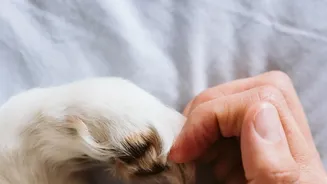
Since our pets can't tell us when something hurts, it's up to owners to spot the signs of dental distress. Being vigilant for changes in your pet's behaviour is key. Some of the most common red flags include: persistent bad breath, red, swollen or bleeding gums, yellow or brown tartar buildup on the teeth, and difficulty chewing or dropping food. You might also notice your pet pawing at their mouth, drooling more than usual, or showing a new reluctance to play with their favourite chew toys. If you see any of these signs, it's time to schedule a visit with your veterinarian for a professional assessment.
A Proactive Approach Starts at Home
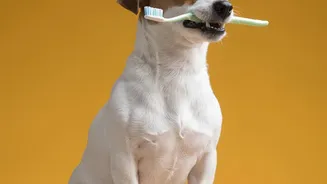
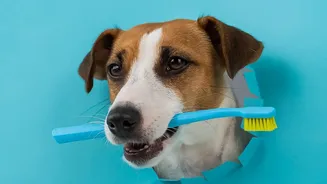
The single most effective way to prevent dental disease is daily tooth brushing. Plaque begins forming within hours of a meal, but regular brushing can remove it before it hardens into tartar. It's crucial to use only toothpaste formulated specifically for pets, as human toothpaste contains ingredients like xylitol that are toxic to animals. Pet-friendly toothpastes come in appealing flavours like chicken or beef. Start slowly by letting your pet lick the toothpaste off your finger, then gradually introduce a soft-bristled pet toothbrush or finger brush, making it a positive experience with plenty of praise.
Diet, Chews, and Professional Care
While nothing replaces brushing, other tools can support your efforts. Specially formulated dental diets and chews can help scrape away plaque. When choosing products, look for those approved by the Veterinary Oral Health Council (VOHC), which certifies that a product meets standards for plaque and tartar reduction. However, home care alone cannot remove tartar that has already formed, especially below the gumline. This requires a professional cleaning under anaesthesia, where a vet can use ultrasonic scalers to thoroughly clean the teeth and check for underlying issues. Depending on the breed and individual health, most pets benefit from a professional cleaning every one to three years, starting around age three.