






A Session Measured in Lost Hours
The productivity numbers for the session, which ran from July 20 to August 13, paint a stark picture. According to data from PRS Legislative Research, the Lok Sabha functioned for only about 15-19% of its scheduled time. The Rajya Sabha fared slightly
better, working for approximately 33-39% of its allotted hours. This places the session among the least productive in recent history, with an estimated financial cost of the disruptions amounting to ₹175 crore. The frequent adjournments meant that crucial mechanisms for executive accountability, like the Question Hour, were almost entirely washed out.
The Flashpoints of Disagreement
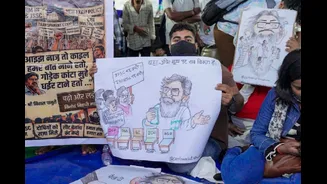
The session was contentious from the start, with the Opposition united on several key issues. The primary drivers of the disruptions were demands for a debate on the government's handling of student protests over the NEET-UG paper leak and the alleged theft of donations for the Ram Temple. The Opposition insisted on a discussion and accountability for police action against student protestors at Jantar Mantar. The government and Opposition blamed each other for the deadlock, with the treasury benches accusing the Opposition of running away from debate, while opposition parties argued that protests were a necessary democratic tool when the government refused to address key issues.
Legislation Without Deliberation?
Despite the minimal working hours, the session saw the passage of 12 bills. However, this legislative activity has raised its own set of concerns. Most bills were passed with little to no debate, often in a matter of minutes. For instance, nine bills were reportedly passed in the Lok Sabha without any MP, other than the minister in charge, speaking on them. The only bill that received substantial discussion in both Houses was the Public Examinations (Prevention of Unfair Means) Amendment Bill, 2026, which was brought in response to the student protests. This trend of passing laws without referring them to parliamentary committees or allowing for detailed discussion has led to questions about the quality and sustainability of the resulting legislation.
A Deepening Pattern of Paralysis
The low productivity of the 2026 Monsoon Session is not an isolated event but part of a troubling trend. Over the past decade, parliamentary sessions have frequently been derailed by intense political polarization. Disruption has become a common strategy for opposition parties to force the government's hand on contentious issues. Critics point out that this was a tactic also used by the current ruling party when it was in opposition. This cycle of reciprocal disruption leads to a gradual erosion of Parliament's primary functions: to legislate, to hold the government accountable, and to deliberate on matters of national importance.
The True Cost of a Dysfunctional Parliament
The cost of unproductive sessions extends far beyond the financial. When bills are passed hastily, they can be poorly drafted and difficult to implement. The lack of scrutiny over the government's budget and actions weakens financial accountability and executive oversight. Perhaps most significantly, the recurring spectacle of a paralysed Parliament erodes public trust in democratic institutions. It fosters a perception that political conflict has taken precedence over the welfare of citizens and the core business of governance. Ultimately, when debate is silenced by disruption, the entire democratic process is diminished.