







Kerala is set to pioneer a new chapter in Indian aviation with the approval of an airline operating under the cooperative sector. This ambitious initiative aims to tackle the challenge of regional connectivity and make air travel more accessible.
Introducing 'Co-Keralam'
The Kerala
government has given the green light to the Kerala Civil Aviation Development Cooperative Society to launch what is being called India's first airline in the cooperative sector. Tentatively named 'Co-Keralam', the project was announced by Chief Minister V.D. Satheesan and is being spearheaded by C.N. Vijayakrishnan, the chairman of the MVR Cancer Centre and Research Institute, a successful cooperative enterprise. The formal process is advancing, with promoters handing over the company's registration certificate and bylaws to the state government. This marks a significant milestone in a plan designed to enhance regional air travel options significantly.
A Unique Co-operative Model
Unlike traditional airlines owned by large corporations or governments, Co-Keralam plans to raise its capital from cooperative societies and Non-Resident Indians (NRIs). The proposed financing model involves around 200 cooperative societies investing ₹2 crore each, potentially raising a substantial initial capital of ₹400 crore. This approach is modelled after the successful establishment of Cochin International Airport Ltd (CIAL), which was also built with participation from a broad base of investors. The promoters have stated that the project aims to be self-reliant and will not require financial assistance from the state government. The structure aims to democratise ownership and extend the cooperative movement into the capital-intensive aviation industry.
Connecting the Region
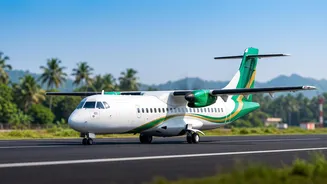
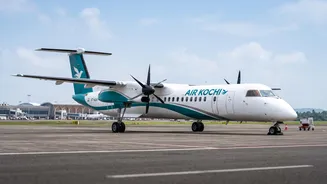
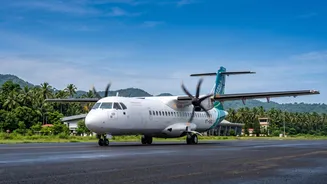
The airline's primary goal is to improve connectivity between cities in Kerala and neighbouring states. The initial plan involves leasing two 72-seater aircraft to be based at Kochi. From this hub, Co-Keralam intends to operate flights to seven key destinations: Kozhikode, Kannur, Bengaluru, Mangaluru, Chennai, Coimbatore, and Madurai. This network would provide crucial links between commercial centres and developing towns, potentially reducing travel time and reliance on road or rail for many passengers. As operations grow, the fleet is expected to expand to four and eventually six aircraft, allowing for more routes and increased frequency.
Affordability and Accessibility
A key promise of the Co_Keralam initiative is to make regional air travel more affordable. Proposed ticket prices are expected to range from ₹3,500 to ₹7,000, which would be competitive with fares for high_speed train services. The airline also plans to introduce an innovative pricing strategy by offering discounted fares for unsold seats up to an hour before departure. This could benefit last_minute travellers and ensure higher aircraft occupancy. By providing more options and competitive pricing, the airline hopes to stimulate local economies, boost tourism, and create new employment opportunities within the state.
The Road Ahead
While the government's approval is a major step forward, Co_Keralam still faces significant hurdles. The aviation industry is notoriously competitive and requires navigating a complex web of regulations from bodies like the Directorate General of Civil Aviation (DGCA). The success of the venture will depend on securing aircraft leases, finalising routes, and obtaining all necessary operational clearances. Chief Minister Satheesan has acknowledged the ambition of the project, comparing it to established players like Air India and IndiGo, while stressing the potential of Kerala's cooperative sector to succeed in new domains. The journey from a promising proposal to a fully operational airline will be closely watched across the country.