






The Great Protein Boom
Walk down any supermarket aisle, and you'll see the evidence: protein is everywhere. It's added to cereals, packed into bars, blended into water, and celebrated on food labels. This boom is fuelled by a widespread belief that more protein is the key to everything
from weight loss and muscle gain to healthy ageing. Recent dietary guidelines have even suggested increasing daily protein intake, seemingly reinforcing the 'quantity first' mindset. For many health-conscious individuals, hitting a specific gram count each day has become a primary nutritional goal, often tracked meticulously on apps. This focus on numbers, however, is beginning to look dangerously simplistic.
A Shift in Scientific Focus
The latest reviews and expert discussions are highlighting a crucial, often overlooked, aspect of protein consumption: its quality and source. The core message is that the body does not treat all proteins equally. Where your protein comes from—be it a lentil curry, a grilled chicken breast, or a highly-processed protein bar—dramatically affects how your body uses it and the associated health outcomes. This emerging consensus cautions against a diet that prioritises protein isolates and supplements over whole foods, warning that you might be hitting your protein targets while missing out on vital nutrients and potentially harming your long-term health.
What 'Protein Quality' Really Means
Protein quality isn't just a marketing buzzword. It refers to two main factors: the amino acid profile and its bioavailability within the 'food matrix'. A complete protein contains all nine essential amino acids our bodies can't produce. But the food matrix—the natural structure of the food containing fats, fibre, vitamins, and minerals—is just as important. When you eat protein from a whole food like an egg or a bowl of chickpeas, you get the protein plus all its natural co-factors which aid in digestion and absorption. Studies have shown that protein from whole eggs, for example, stimulates muscle protein synthesis more effectively than an equivalent amount of protein from egg whites alone, because of the nutrients present in the yolk.
The Problem with Processed Proteins
Many convenient, high-protein products fall into the category of ultra-processed foods. These include most protein bars, shakes, and powders. To create them, protein is isolated from its source (like whey from milk or protein from peas) and stripped of its natural food matrix. What's often added back in are sugars, artificial sweeteners, emulsifiers, and fillers to improve taste and shelf life. Research indicates that a diet high in these ultra-processed foods is linked to increased risks of cardiovascular disease and other negative health outcomes. While these products offer a quick protein hit, they can be a poor substitute for nutrient-dense whole foods and may even cause digestive issues or create micronutrient gaps in your diet.
Choosing Quality for Better Health
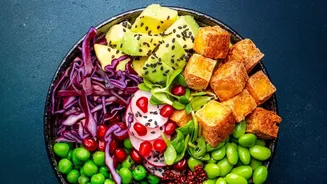
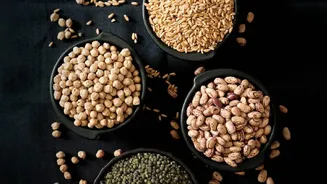
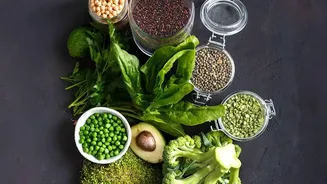
Prioritising protein quality doesn't mean you have to abandon convenience, but it does require a shift in focus. The goal is to build your diet around whole food sources. This includes lean meats, poultry, fish, and eggs, which are excellent sources. For vegetarians and those seeking plant-based options, lentils, beans, chickpeas, tofu, paneer, nuts, and seeds are fantastic choices. These foods provide high-quality protein within a rich matrix of fibre, healthy fats, vitamins, and minerals that work together to support overall health. A protein bar can still be a useful option when you're in a pinch, but it should be the exception, not the rule. When choosing one, look for bars with simple, whole-food ingredients and minimal added sugar.