





A Powerful Boost for Your Brain
Learning choreography is a fantastic workout for your brain. It requires you to remember steps, anticipate moves, and coordinate with the music and other dancers. This mental juggling act strengthens neural connections, particularly in regions related
to long-term memory and spatial recognition. Studies have shown that the combination of physical activity, social interaction, and learning new patterns can have a protective effect on the brain. One landmark 2003 study in the New England Journal of Medicine found that dancing was significantly associated with a lower risk of dementia in older adults, highlighting its potent cognitive benefits. By constantly creating new neural pathways, dancing helps keep your mind sharp, improves processing speed, and enhances your ability to multitask.
An All-Natural Mood Enhancer
Feeling stressed or down? A dance class might be more effective than you think. Physical activity is known to release endorphins, the body's natural 'feel-good' chemicals, but dancing takes it a step further. The combination of music, movement, and social connection can elevate your mood significantly. Research indicates that dancing helps increase levels of serotonin, a neurotransmitter crucial for regulating mood, and can reduce symptoms of depression and anxiety. Some studies suggest that the multifaceted nature of group dance—exercise, music, and community—provides a greater mental boost than exercise alone. It offers an emotional outlet, allowing you to express feelings without words and release pent-up tension.
Forge Strong Social Connections
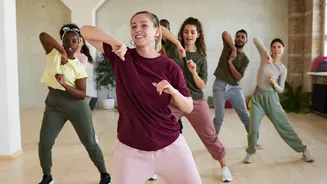
In an increasingly digital world, finding genuine community can be a challenge. Group dancing provides a natural and enjoyable way to connect with others. A dance class fosters a sense of teamwork and belonging as you learn and move together. This shared experience can reduce feelings of loneliness and isolation, which are significant factors in overall mental health. Dancing, especially with a partner or in a group, improves non-verbal communication skills and can build social confidence. The simple act of synchronizing your movements with others creates a powerful sense of connection and shared rhythm, which can be a potent antidote to stress.
Sharpen Your Mind-Body Coordination
Dancing is an exceptional way to improve your proprioception—your body's ability to sense its position in space. By learning and executing specific movements, you enhance your balance, posture, and overall physical control. This is not just about being graceful; it's about strengthening the communication between your brain and your muscles. Regularly challenging yourself with new steps and routines improves your body's motor skills and can lead to better agility and less clumsiness in everyday life. For older adults, activities that improve balance and coordination are especially vital for maintaining mobility and preventing falls.
Melt Away Stress Effectively
While most forms of exercise can reduce stress, dancing provides a unique escape. The need to focus on steps, rhythm, and your fellow dancers helps you step away from daily worries and be present in the moment. This active, meditative quality allows your mind to take a break from the cycle of stressful thoughts. The combination of physical exertion, creative expression, and the uplifting power of music makes group dancing a highly effective tool for stress management. It provides a structured yet fun environment where you can let go, move your body, and leave feeling lighter and more relaxed.