

Riding Through History's Footprints
Portugal's sun-drenched Alentejo region offers more than just scenic beauty and exceptional wine; it provides a saddle-back journey into the annals of history. Equestrian tourism here is evolving, weaving ancient history into the fabric of adventure travel.
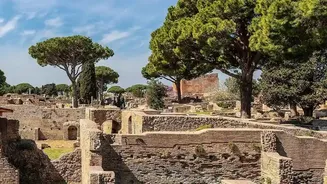
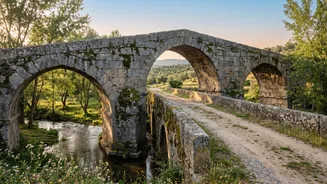
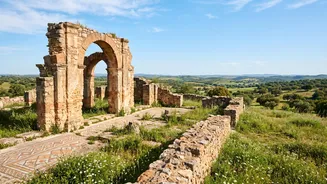
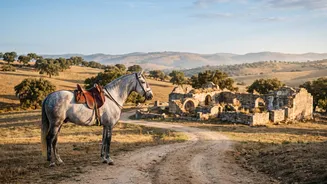
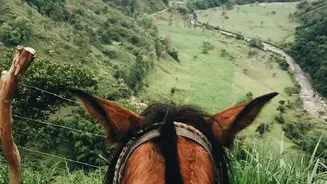
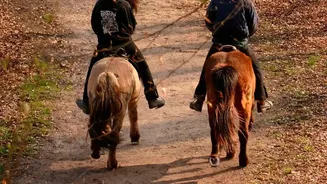
Instead of simply viewing history from behind a velvet rope, travellers can ride along the same tracks and smuggling paths that have been used for centuries, connecting with the landscape in a profound and tangible way. These trails lead riders through a countryside where the past is not just remembered but felt, culminating in the discovery of sprawling Roman ruins that lie scattered across the land, silent witnesses to a bygone empire. This blend of dynamic exploration and historical discovery offers a travel experience that engages both body and mind.
The Lusitano: Your Ancient Companion
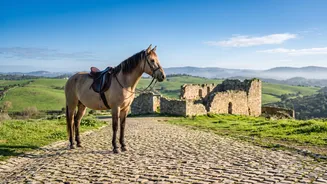
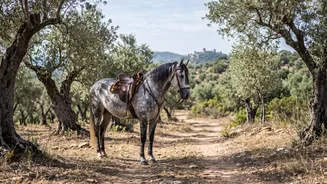
The experience is made all the more authentic by the choice of mount: the noble Lusitano horse. The breed, a direct descendant of the ancient Iberian horse, has roots in the peninsula stretching back thousands of years. In fact, horses from this region were so prized that the Romans themselves established stud farms here. The Lusitano's name is derived from Lusitania, the ancient Roman name for the territory that is now Portugal. Known for their agility, courage, and calm temperament, these horses are the perfect companions for navigating the varied terrain of the Alentejo, from rolling hills to the sandy tracks of the coast. Riding a Lusitano here isn't just a means of transport; it's a connection to the very history you are there to explore.
Uncovering Rome's Alentejo Legacy
Several horseback tours specifically cater to this historical curiosity, with itineraries that include significant Roman sites. One such highlight is the ancient city of Ammaia, located within the Serra de São Mamede Natural Park. Founded in the 1st century, this once-thriving Roman town lay buried and almost forgotten for centuries. Today, riders can explore its rediscovered ruins, including parts of the forum, public baths, and the main city gate. Further south, near Santiago do Cacém, lie the impressive ruins of Miróbriga, a town that flourished from the 1st to the 4th centuries. Here, you can walk—or ride—past the remains of temples, homes, and even Portugal's only intact Roman hippodrome, where chariot races once thrilled the crowds.
Beyond the Ruins: A Full Immersion
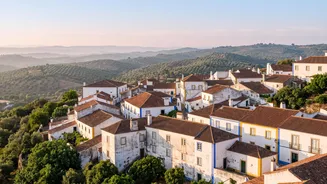
A historical horseback trip in Portugal offers more than just ancient stones. It's a full cultural immersion. The pace of the ride allows for a deeper appreciation of the Alentejo's natural beauty—the vast plains, fields of wildflowers, and dense cork forests. Evenings are often spent in traditional 'quintas' or rural guesthouses, where riders can savour the region’s hearty gastronomy and world-renowned wines, celebrating the very agricultural traditions the Romans helped establish. Many trails also pass through charming medieval villages with narrow cobblestone streets and whitewashed houses, adding another layer to the historical journey. Some tours even follow ancient smuggling routes or pilgrimage paths, offering a glimpse into the different eras that have shaped this land.