




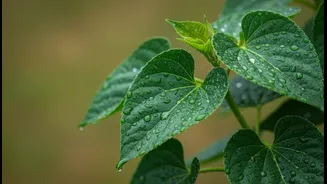


Start with Superior Drainage
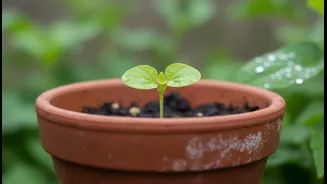
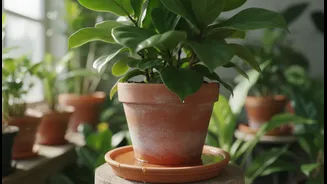
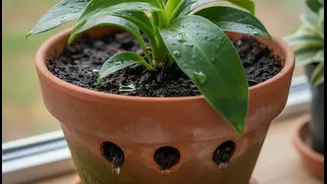
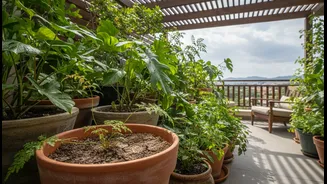
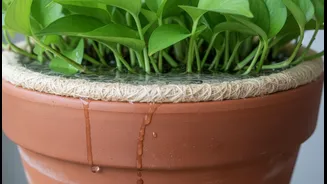
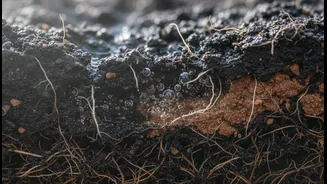
The single biggest threat to plants during the rainy season is root rot, a condition caused by waterlogged soil that suffocates roots. Your first line of defense is ensuring excellent drainage. If you’re using pots, choose materials like terracotta, which
is porous and helps absorb excess moisture. Regardless of material, make sure every container has multiple drainage holes. To prevent water from pooling at the base, elevate your pots on bricks or stands. It's also wise to amend your potting mix. Avoid using dense garden soil in containers; instead, opt for a light, airy potting mix and consider adding materials like perlite, sand, or cocopeat to improve its structure and prevent compaction.
Improve Air Circulation to Fight Fungus
High humidity and stagnant air create a perfect breeding ground for fungal diseases like powdery mildew and leaf spot. Improving air circulation is crucial for keeping foliage dry and healthy. Start by giving your plants adequate space; don't crowd them together on a windowsill or balcony. For indoor plants, using a small oscillating fan on a low setting for a few hours a day can work wonders to keep the air moving without creating a harsh draft. Regularly pruning dense foliage or any yellowing leaves also helps open up the plant's canopy, allowing air to flow more freely and reducing the risk of disease.
Master the Soil Moisture Check
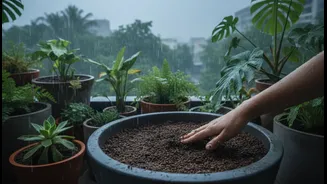
During the monsoon, your summer watering schedule becomes obsolete. With high humidity, soil dries out much more slowly, and frequent rains might take care of watering for you. The golden rule is to always check the soil before adding more water. The easiest method is the finger test: insert your finger about an inch into the topsoil. If it feels moist, hold off on watering. Wait until the top layer of soil feels dry to the touch. Overwatering is a common mistake that leads to root rot, so it's better to err on the side of caution. Your plants will show signs like yellowing leaves or wilting even when the soil is wet if their roots are struggling.
Be Vigilant About Pests and Diseases
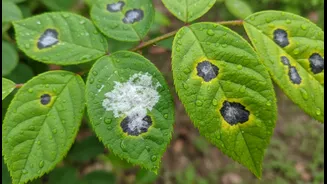
The damp, humid conditions of the monsoon are an open invitation for pests like aphids, mealybugs, slugs, and snails. Fungal infections are also rampant. Inspect your plants regularly, paying close attention to the undersides of leaves and the joints of stems. If you spot any pests, act quickly. An organic solution like neem oil spray can be effective against many common pests and also has antifungal properties. For fungal issues like powdery mildew or leaf spot, remove the affected leaves immediately to prevent the disease from spreading.
Maximise Limited Sunlight
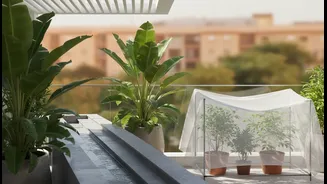
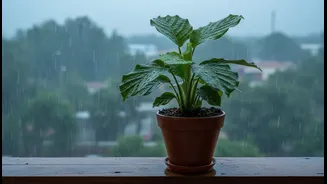
Cloudy skies mean less available light for your plants, which can slow down their growth. To compensate, move your plants to the brightest possible location, such as an east-facing window or balcony that gets gentle morning sun. Keep the leaves clean by wiping them gently with a damp cloth. Dust and grime can block the pores on leaves, hindering their ability to photosynthesise. For particularly light-hungry indoor plants, you might even consider investing in a basic grow light to supplement the natural light on especially gloomy days.