





Unpacking the Surge
The dramatic increase in scrutiny comes directly from a concerted push by the Food Safety and Standards Authority of India (FSSAI), the country's primary food regulator. Recent data from 2025-26 shows the agency and its state-level partners conducted
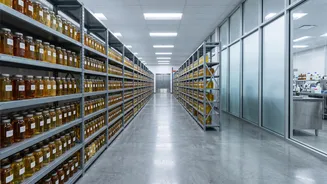
nearly 400,000 inspections, a clear signal of intensified enforcement. This isn't just about more paperwork; it's an aggressive, on-the-ground effort to bring more of India's vast and complex food ecosystem—from street stalls to major manufacturers—under formal oversight. This crackdown is part of a broader, highly public push to tackle long-standing consumer complaints about food quality and hygiene.
What Inspectors Are Finding
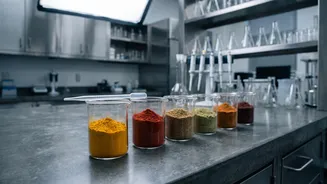
More inspections inevitably mean more violations found. And the issues uncovered are widespread. Common violations include everything from basic hygiene and sanitation failures to incorrect labeling and misbranding. In more serious cases, inspectors have found outright adulteration, such as with milk products and spices, which are often targeted during festive seasons when demand skyrockets. Recent high-profile raids, which FSSAI has publicized with photos and videos, have shut down facilities for issues like pest infestations, expired ingredients, and using rotten food. Of the more than 165,000 food samples analyzed in a recent period, over 17% were found to be non-conforming, triggering tens of thousands of legal cases and significant financial penalties.
More Than Just Numbers
The spike in inspections is driven by several factors. The government has made food safety a higher priority, responding to both public pressure and the sheer challenge of regulating a market that serves nearly 1.5 trillion meals a year. This includes a push to integrate the massive informal sector, with over a million street food vendors recently brought into the regulatory framework. The FSSAI has also deployed technology like the digital Food Safety Compliance System (FoSCoS) to better track inspections and outcomes in real-time, making the process more efficient and transparent. This is less a reaction to a new crisis and more a proactive, systemic effort to strengthen a previously under-resourced and fragmented system.
Why This Matters to U.S. Consumers
India is a critical part of the global food supply chain, exporting massive quantities of spices, rice, tea, and other products to the United States. While an FSSAI license is a domestic requirement, and U.S. importers must also meet separate FDA standards, a stronger Indian regulatory system is good news for everyone. When the domestic watchdog is more effective, it reduces the likelihood of unsafe products ever leaving the country. It signals a maturation of India's food safety culture, forcing producers to adopt higher standards for all their customers, both at home and abroad. Think of it as an extra layer of quality control at the source, which can help prevent costly and dangerous recalls down the line.
Is It Good News or Bad News?
At first glance, headlines about seized food and suspended licenses can seem alarming. It’s easy to interpret a rise in violations as a sign of a worsening problem. However, in this context, it's more accurately seen as the solution in action. For years, a common complaint was the lack of consistent enforcement. The current crackdown shows the FSSAI is finally flexing its regulatory muscle. A system that actively finds and punishes non-compliance is healthier than one that ignores it. This isn't the sign of a food supply in collapse, but rather a regulatory body stepping up to its monumental task. It's a painful but necessary step toward building a more reliable and trustworthy food system.