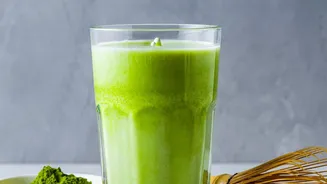





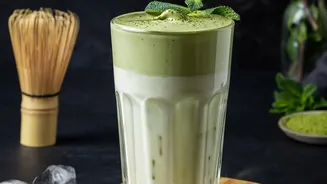

From Ancient Ritual to Modern Must-Have
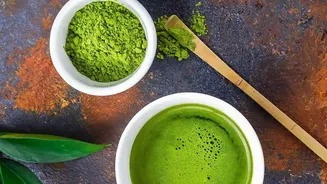
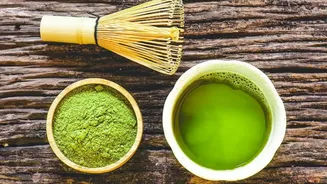
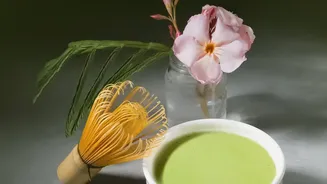
Matcha’s story begins centuries ago in Japan, where it was central to meditative tea ceremonies performed by Buddhist monks. Unlike regular green tea, where leaves are steeped and discarded, matcha drinkers consume the entire leaf, which has been stone-ground
into a fine powder. This method delivers a more concentrated dose of the nutrients, caffeine, and antioxidants present in the leaves. This rich profile is a key reason for its transition from a niche cultural practice to a global wellness phenomenon. In India, its popularity is surging, driven by urban consumers seeking alternatives to traditional chai and coffee. Market forecasts predict significant growth, with some estimates showing the Indian matcha market growing at a compound annual rate of over 9%.
The Science of Green
The core of matcha's appeal lies in its powerful combination of natural compounds. It is packed with antioxidants, particularly a type of catechin called EGCG, which is believed to help protect cells from damage. These antioxidants may help lower bad cholesterol and reduce inflammation. But what truly sets matcha apart is the presence of L-theanine, an amino acid. This compound works in synergy with caffeine to promote what many describe as a state of “calm alertness.” Instead of the jittery spike and subsequent crash associated with coffee, the L-theanine moderates the caffeine's effects, providing sustained energy and focus. This unique benefit has made it a favourite for those looking to boost productivity without anxiety.
The Beauty of Matcha
The same properties that make matcha a healthy drink are now being harnessed for skincare. The beauty industry has embraced matcha for its antioxidant and anti-inflammatory benefits. When applied topically, compounds like EGCG can help soothe redness, calm irritation from conditions like acne, and protect the skin from environmental stressors. You can now find matcha in a wide array of products, from face masks and enzyme scrubs to serums and cleansers. Brands are leveraging matcha's wellness credentials, promoting its ability to support skin hydration and even stimulate collagen production, contributing to a brighter, more youthful complexion. Google Trends data shows a significant spike in searches for terms like 'matcha face wash' and 'matcha enzyme scrub,' confirming its new status as a bathroom shelf staple in India.
Beyond the Beverage
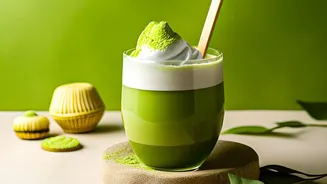
In the kitchen, matcha's versatility shines. Its complex flavour, which balances earthy bitterness with a subtle sweetness, pairs surprisingly well with a variety of ingredients like white chocolate, coconut, and citrus. This has led to an explosion of matcha-infused foods. It’s being folded into everything from cookies, cakes, and croissants to ice cream, tiramisu, and doughnuts. The powder’s fine texture allows it to be evenly distributed in recipes, lending both its unique flavour and its striking green colour to finished dishes. For many cafes and food manufacturers, adding matcha-flavoured items to the menu provides a new revenue stream and a visual draw for customers looking for something different.
An Aesthetic and an Ingredient
Perhaps the ultimate sign of matcha's influence is its expansion beyond consumable products into a full-blown lifestyle aesthetic. The specific shade of “matcha green” has become a trendy colour in interior design, fashion, and accessories. This calming, earthy hue is being used for everything from accent walls and furniture to nail polish and sneakers. The colour evokes a sense of natural tranquility and balance, aligning with broader wellness trends. In fashion, it offers a shade that is both vibrant and soothing, adding a touch of serene boldness to outfits. The association with mindfulness, health, and a modern aesthetic has transformed matcha from a simple ingredient into a powerful cultural symbol.