








The Engine Room of the Digital Age
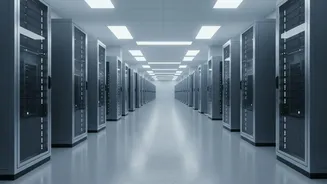
Before diving into the explosive growth, it is crucial to understand what 'data-centre systems' are. Far more than just secure buildings, they represent the entire ecosystem of servers, storage devices, networking equipment, and specialized software that
powers the modern internet. From streaming movies and managing financial transactions to enabling complex scientific research, these facilities are the physical backbone of the digital world. Think of them as the powerful, centralized brains processing and storing the immense torrent of data generated every second by billions of devices and users.
Unpacking the 62.5% Surge
The headline-grabbing 62.5% growth forecast for 2026 comes directly from new projections by leading technology research firm Gartner. According to their July 2026 report, worldwide spending on data-centre systems is expected to soar to $822 billion. This makes it the single fastest-growing segment in the entire global IT market, which itself is predicted to reach a colossal $6.37 trillion. This growth isn't just significant; it's a fundamental shift in where technology investment is flowing, moving away from consumer devices and towards the heavy-duty infrastructure needed to power the next wave of innovation.
The AI and Cloud Catalysts
The primary driver behind this unprecedented investment is the insatiable appetite of Artificial Intelligence. Training and running advanced AI models, particularly generative AI like the systems behind chatbots and image creators, requires immense computational power. This has triggered a global race among hyperscale cloud providers—giants like Amazon, Microsoft, and Google—and large enterprises to build out AI-ready infrastructure. According to Gartner analyst John-David Lovelock, building the compute capacity required for AI is the "largest infrastructure project ever attempted by humanity." This demand for high-performance computing is fuelling a massive construction and hardware upgrade cycle across the globe.
India's Emergence as a Data-Centre Hub
This global trend has a significant echo in India, which is rapidly becoming a strategic destination for data-centre investment. The nation's data-centre capacity is projected to expand dramatically, with some forecasts predicting a more than five-fold increase to 12 GW by 2030, driven by the country's booming digital economy, AI adoption, and data localisation policies. Cities like Mumbai, Chennai, Hyderabad, and those in the National Capital Region are at the forefront, witnessing massive investments from both international hyperscalers and domestic players. For India, this translates into not just better digital services, but also significant economic activity in construction, energy, and high-skilled tech jobs.
The Sustainability Challenge
However, this explosive growth comes with a critical challenge: energy consumption. The powerful processors used for AI workloads consume vastly more electricity and require more advanced cooling systems than traditional servers. The projected surge in data-centre electricity demand globally is a serious concern, putting pressure on power grids and sustainability goals. As the industry expands, the key challenge will be to balance the need for more computational power with developing energy-efficient designs and increasing the use of renewable energy sources to power these critical facilities. Access to reliable, cost-competitive power has now become the primary constraint on growth in the sector.