




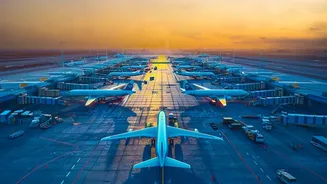

The New Leader Board
According to preliminary data for the first half of 2026 from Airports Council International (ACI), Incheon handled an impressive 38.39 million international passengers. This figure edged out London Heathrow, which recorded 37.79 million international travellers
in the same period. Singapore's Changi Airport came in third with 34.53 million, solidifying a new hierarchy in the skies. For Incheon, which only opened in 2001, this ascent to the top spot is a historic first, marking a steady climb from 10th place in 2002 to the pinnacle of global travel this year.
Incheon’s Winning Strategy
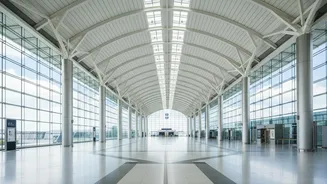
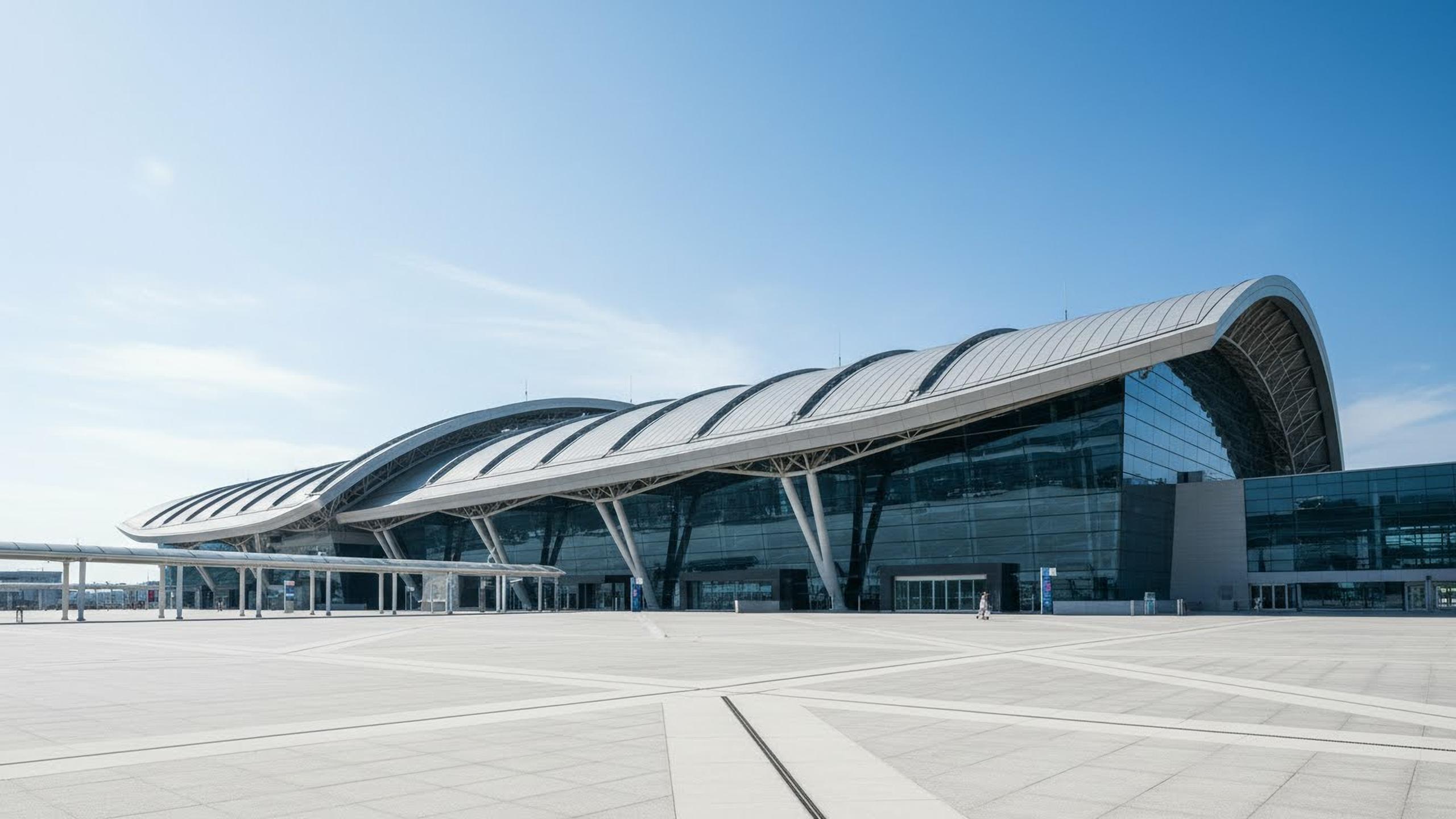
Incheon's success isn't an accident; it's the result of decades of strategic planning and investment. The airport was purpose-built to be a Northeast Asian gateway, linking the continent with the rest of the world. Its recent four-phase expansion, completed in late 2024, boosted its annual capacity to 106 million passengers, making it the world's third-largest by international capacity. This physical space allows it to serve 101 airlines flying to 158 international destinations—a broader network than rivals in Hong Kong and Tokyo. The airport has also aggressively courted transfer passengers. Recent geopolitical instability in the Middle East has disrupted traditional routes, diverting significant traffic through East Asia. Incheon saw its transfer passengers on European routes soar by over 63% in the first half of 2026, a clear sign it is successfully capturing this redirected flow.
Heathrow's Headwinds
While Incheon has been expanding, Heathrow has been grappling with significant constraints. Operating with just two runways, the London hub has been at or near its operational ceiling for years, making significant growth almost impossible. While Heathrow saw a record summer surge with 267,000 passengers on its busiest day, its overall growth is flatlining. The airport itself has acknowledged the challenges, lowering its 2026 passenger forecast and citing geopolitical uncertainty as a factor dampening demand. The long-running debate over a third runway highlights the political and environmental hurdles that have prevented the kind of expansion seen at hubs like Incheon. This capacity crunch means that even as demand for travel to London remains high, the airport struggles to accommodate more flights.
A Global Shift to the East
The change at the top of the leader board is more than just a story about two airports; it reflects a broader shift in the global economy's centre of gravity. The Asia-Pacific region is the world's fastest-growing aviation market, driven by rising incomes, growing tourism, and strategic government investment in infrastructure. Airports in China, India, and across Southeast Asia are rapidly climbing the global rankings. Incheon's success has been bolstered by a huge increase in visitors from China and Japan, with foreign nationals accounting for a record 44.4% of its passengers in the second quarter of 2026. This demographic and economic momentum suggests that Asia's airports are not just catching up to their Western counterparts but are set to define the future of global travel.