

Location Is Everything: Finding Dark Skies
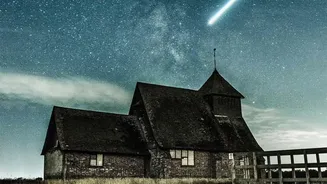
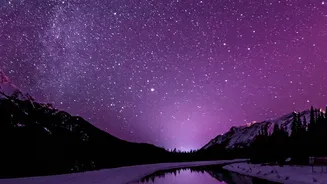
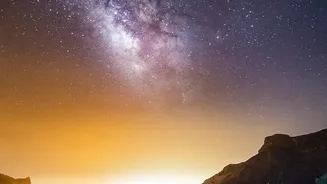
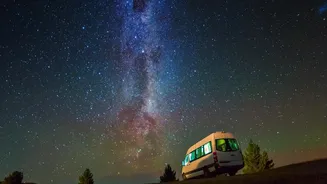
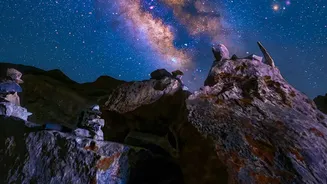
The single most important factor for a successful stargazing trip is escaping light pollution. This artificial glow from cities and towns can wash out all but the brightest stars. The best locations are remote and often at higher altitudes where the air
is thinner and clearer. Look for accommodations located within or near designated 'Dark Sky Places'. These are areas recognised for their pristine night skies. India, for instance, is home to the Hanle Dark Sky Reserve in Ladakh, situated within the Changthang Wildlife Sanctuary. When choosing a stay, check its proximity to towns and ask about their own outdoor lighting policies. Properties committed to astro-tourism will often minimise outdoor lights to preserve the natural darkness.
Timing Your Trip: The Moon and Weather
Timing is just as critical as location. The best time for viewing faint objects like the Milky Way or distant galaxies is during the new moon phase. This is when the moon is not visible in the sky, resulting in the darkest conditions. A full moon, while beautiful, acts like a giant spotlight, obscuring most stars. Check a lunar calendar when planning your dates; the few nights before and after the new moon are also excellent. Also, consider seasonal weather patterns. Winter often brings clearer, less hazy skies, but also colder temperatures. Always check the local forecast before you go, as clear skies are essential for any stargazing.
Choosing Your Stay: Cabins, Domes, and Campsites
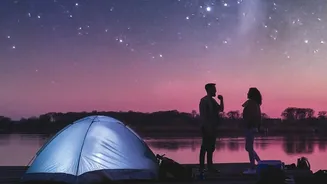
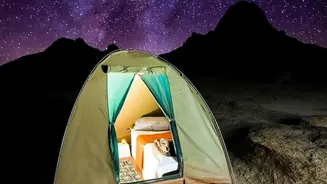
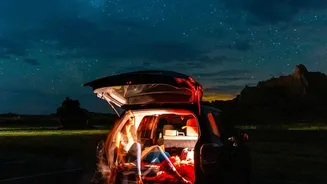
The type of accommodation can significantly enhance your experience. Options range from rustic campsites to luxurious glamping domes with transparent roofs. When booking, look for specific stargazing amenities. Does the property offer a telescope for guest use? Are there open, unobstructed viewing areas? Some dedicated 'stargazer' tents even feature a viewing window directly above the bed. If you opt for a remote cabin or campsite, check for accessibility and safety. Ensure the property provides clear directions and information about the surrounding environment, especially if you plan to arrive after dark. A stay designed for stargazing will balance comfort with a deep connection to the night sky.
Packing the Essentials: More Than Just a Telescope
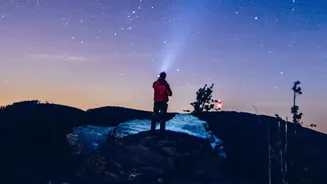
While a telescope offers a closer look, it’s not essential for a great experience. A good pair of binoculars is an excellent, portable tool for beginners, revealing craters on the moon and bright star clusters. One of the most critical items is a red-light torch; white light from a standard flashlight or phone screen will ruin your night vision, which takes 20-30 minutes to fully adapt. Pack layers of warm clothing, even in summer, as temperatures can drop significantly after sunset. A comfortable reclining chair or a blanket will make long periods of looking up much more enjoyable. Lastly, don't forget snacks and a warm drink to stay comfortable and energised through the night.
Safety and Etiquette in Remote Locations
Remote travel requires extra preparation. Inform someone of your itinerary and expected return time, as cell service may be unreliable. Carry navigation tools like a GPS device and physical maps as a backup. Be aware of local wildlife and store all food and scented items securely to avoid attracting animals to your site. When at your destination, practice 'Leave No Trace' principles by packing out all your rubbish and respecting the natural environment. If you encounter other stargazers, be mindful of their night vision by using only red lights and keeping noise to a minimum. A little preparation ensures your adventure is both magical and safe.