







Investing in an Electric Future
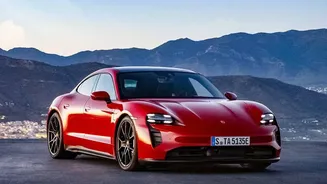
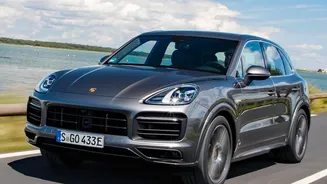
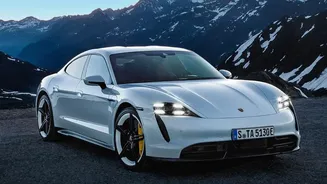
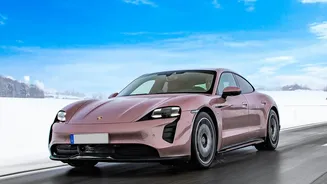
The centerpiece of the agreement is a massive financial commitment to Porsche's future. The company will invest a cumulative €2.1 billion into its core German sites in Zuffenhausen and Weissach by 2035. This capital is earmarked to drive the brand's transition
towards electrification and digitalization, ensuring its production and development hubs remain at the forefront of automotive innovation. This strategic investment is seen as crucial for strengthening competitiveness as the industry pivots to electric vehicles (EVs), an area where Porsche has faced weaker-than-expected sales and intense competition. The funding is part of a broader strategy named "Sportwagenschmiede 35," designed to realign the company for the next decade and beyond.
A Pact for the Workforce
In a significant win for labor, the agreement extends comprehensive job security for the core workforce. Porsche has ruled out compulsory redundancies through the end of 2035, providing more than a decade of stability for its employees. This protection was a key demand from the General Works Council and the powerful IG Metall union, which negotiated the package alongside management. However, this security comes with trade-offs. To help finance the future investments, employees have agreed to defer portions of planned pay increases. In return for their contributions and flexibility, workers will receive a one-time “transformation bonus” in August 2026, with IG Metall members receiving additional benefits.
Streamlining for Long-Term Health
The third pillar of the plan involves significant cost reductions, most notably a planned workforce reduction of 5,000 jobs by 2035. This is on top of previously announced cuts, bringing the total planned reductions to over 9,000 positions from a workforce of roughly 40,000. Crucially, Porsche emphasizes that these cuts will be handled in a “socially responsible” manner. Instead of forced layoffs, the company will rely on natural attrition, expanded early and partial retirement programs, and voluntary severance packages. The goal is to create a leaner, more efficient organization by simplifying management layers and increasing productivity without resorting to compulsory measures. These measures are a direct response to a sharp drop in profitability, driven by a sales slump in China and the high costs of its EV strategy.
The Strategic Balancing Act
Ultimately, the Future Package is a complex balancing act. It acknowledges the immense pressure on legacy automakers from parent company Volkswagen AG down. Porsche, once a reliable profit engine, is now facing the same headwinds as its competitors: navigating the costly EV transition while battling fierce new rivals and shifting market demand. This agreement attempts to solve the equation by having all parties share the burden. The company invests heavily in its future, while employees contribute through deferred pay and a smaller overall workforce over time. In exchange, the core workforce receives long-term security, allowing the company to retain its skilled talent through a period of profound transformation. It is a blueprint for survival and growth, trading short-term financial concessions for long-term strategic stability and competitiveness.